


You wake up tired. Your stomach feels off. You've had three cups of chai and still can't seem to get through the afternoon. Sound familiar? Here's something most people don't realise: your digestive health and your energy levels are deeply, directly connected. When your gut is sluggish, so are you.
The good news? You don't need a dramatic detox or an expensive protocol to feel better. These natural ways to improve digestion are simple, science-backed, and genuinely doable starting today. Think of this as your gentle, effective digestive reset, no deprivation required.
Start Your Morning With Warm Water and Lemon

Before the coffee, before the phone, give your gut a warm wake-up call. Drinking warm water with fresh lemon juice first thing in the morning is one of the oldest and most effective healthy gut habits you can build. It kickstarts digestive enzymes, gently flushes the system, and helps reduce bloating that can build up overnight (NIH).
This one small act sends a signal to your digestive tract: we're open for business. And that matters more than you think.
Quick Win: Keep a glass of water on your nightstand. Add half a lemon before bed so it's ready the moment you wake up.
Eat Fermented Foods Every Single Day

If you want to improve gut health without overhauling your entire diet, start here. Fermented foods like curd, kefir, kimchi, kanji, and kombucha are loaded with live probiotics, the good bacteria your gut needs to digest food efficiently, absorb nutrients, and keep inflammation in check (NIH).
A healthy gut microbiome is one of the most powerful tools to boost energy naturally. When your gut bacteria are thriving, you digest better, sleep better, and feel noticeably more energised throughout the day.
Chew Your Food Like It Actually Matters

This sounds almost too simple, but it's one of the most overlooked gut health tips out there. Digestion begins in the mouth. When you rush through meals, swallowing large chunks of food, your stomach and intestines have to work overtime and they pay for it in bloating, discomfort, and sluggish energy (NIH).
Slowing down and chewing each bite thoroughly is a surprisingly powerful form of digestive reset. It activates saliva enzymes, eases the burden on your gut, and even helps you eat less without trying.
Try This: Put your fork down between bites. Aim for 20–30 chews per mouthful for a week and notice the difference in how you feel after meals.
Move Your Body After Meals

A short 10-minute walk after eating is one of the most effective daily habits to improve gut health and energy that science consistently backs. Movement stimulates peristalsis, the wave-like contractions your intestines use to move food through your system. Less stagnation means less bloating, less discomfort, and a much more efficient digestive health cycle overall (NIH).
You don't need a gym session. A slow stroll around the block, some light stretching, or even standing while you scroll your phone all count. The goal is to avoid going horizontal immediately after eating.
Add More Fibre, But Do It Gradually

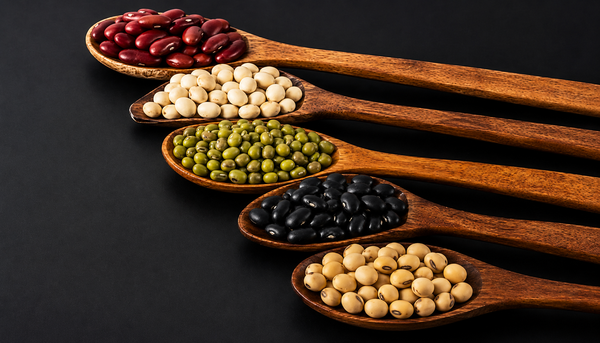
Fibre is the single most important dietary factor when it comes to how to reset digestion and reduce bloating long-term. It feeds your gut bacteria, bulks your stool, and keeps things moving at a healthy pace. Foods like whole grains, legumes, flaxseeds, leafy greens, and seasonal fruits are all brilliant sources (NIH).
A word of caution though: increase fibre slowly. Jumping from a low-fibre diet to a high-fibre one overnight is a guaranteed recipe for bloating. Give your microbiome time to adjust, add one high-fibre food per week and let your gut catch up.
Manage Stress Like Your Gut Depends on It

It literally does. The gut-brain connection is one of the most well-researched areas of modern wellness. Chronic stress triggers your fight-or-flight response, which actively shuts down digestion and disrupts gut bacteria balance. If you've ever felt nauseous before a big presentation or had an upset stomach during a difficult week, that's your gut-brain axis talking (NIH).
Incorporating breathwork, meditation, journaling, or even five minutes of quiet into your daily routine is one of the most underrated simple gut health tips for better digestion and energy. Calm nervous system, calm gut. It's that connected.
Science Nugget: Over 90% of the body's serotonin, the feel-good neurotransmitter, is produced in the gut. A healthier gut genuinely means a better mood and more stable energy.
Hydrate Consistently, Not Just When You're Thirsty

Dehydration is one of the most common and most ignored causes of constipation, sluggish digestion, and afternoon energy crashes. Water is essential for producing digestive fluids, softening stool, and transporting nutrients from your gut into your bloodstream where they can actually fuel you (NIH).
This is one of the most foundational how to boost energy naturally strategies there is. Aim for at least 8–10 glasses daily, and add electrolyte-rich options like coconut water or a pinch of pink salt in water if you tend to feel depleted. Herbal teas like ginger, peppermint, and fennel double up beautifully as both hydration and gut health tips in one cup.
The Takeaway
Here's the thing about digestive health: it's not glamorous, but it's foundational.
Everything your energy, your mood, your skin, your focus starts in your gut. And the path to reset digestion and genuinely boost energy doesn't require expensive supplements or complicated protocols.
It requires consistency. Small, intentional shifts in how you eat, move, hydrate, and rest. Stack these natural ways to improve digestion over the course of a few weeks and your body will tell you exactly how much it needed them.
Your gut is always listening. It's time to start speaking its language.
FAQs
Q1. How do I reset my digestion naturally?
You can reset digestion naturally by starting your day with warm lemon water, eating fermented foods, staying well-hydrated, moving after meals, and managing stress consistently. These small daily habits work together to restore gut balance without any harsh cleanses or supplements.
Q2. What are the best foods to improve gut health?
The best foods for gut health include fermented options like curd, kefir, and kimchi, high-fibre foods like oats, flaxseeds, and leafy greens, and anti-inflammatory options like ginger and turmeric. Together, these nourish your gut microbiome and support smoother digestion.
Q3. Why do I feel tired after eating?
Post-meal fatigue is often a sign of poor digestion, blood sugar spikes, or an imbalanced gut. When your digestive system struggles to break down food efficiently, your body diverts energy inward, leaving you feeling sluggish. Improving gut health and eating balanced, fibre-rich meals can significantly reduce this.
Q4. How long does a digestive reset take?
Most people start noticing improvements in bloating, energy, and digestion within 1 to 2 weeks of consistent healthy gut habits. A more complete gut microbiome shift typically takes 4 to 6 weeks of sustained dietary and lifestyle changes.
Q5. Can stress really affect my digestion?
Yes, significantly. The gut and brain are directly connected through the gut-brain axis. Chronic stress disrupts gut bacteria, slows digestion, and can trigger bloating, cramping, and irregular bowel movements. Stress management is one of the most underrated gut health tips for long-term digestive wellness.
Q6. What are simple daily habits to boost energy naturally?
The most effective daily habits to boost energy naturally include staying hydrated, eating probiotic-rich foods, getting consistent sleep, walking after meals, and reducing processed sugar. When your gut is absorbing nutrients efficiently, your energy levels stabilise throughout the day.
Q7. How do I reduce bloating fast?
To reduce bloating quickly, try sipping warm ginger or peppermint tea, going for a short walk, avoiding carbonated drinks, and chewing food more slowly. For lasting relief, focus on longer-term gut health tips like increasing fibre gradually and incorporating fermented foods into your daily diet.

Recommended Products
 Daily Probiotic Slow
₹1,357 – ₹2,658
Daily Probiotic Slow
₹1,357 – ₹2,658
 Healthy Gut
₹649 – ₹1,298
Healthy Gut
₹649 – ₹1,298
 Probiotic + Prebiotic
₹664 – ₹3,355
Probiotic + Prebiotic
₹664 – ₹3,355
 Apple Cider Vinegar with Garcinia Cambogia and Pomegranate
₹1,043 – ₹3,129
Apple Cider Vinegar with Garcinia Cambogia and Pomegranate
₹1,043 – ₹3,129
 Bloat Calm | Bloating & Gas Relief | For Seniors | 15 Sachets
₹649 – ₹2,596
Bloat Calm | Bloating & Gas Relief | For Seniors | 15 Sachets
₹649 – ₹2,596
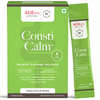 Consti Calm | Constipation Relief & Digestive Comfort | For Seniors | 20 Sachets
₹949 – ₹3,796
Consti Calm | Constipation Relief & Digestive Comfort | For Seniors | 20 Sachets
₹949 – ₹3,796
 Daily Greens
₹590
Daily Greens
₹590











Leave a comment