


Digestion after 60 does not behave the way it once did. Meals that felt light earlier may now cause bloating, heaviness, acidity, or irregular bowel movements. This is not random. With age, stomach acid production declines, digestive enzyme output reduces, gut motility slows, and microbiome diversity shifts.
In India, digestive discomfort is one of the most commonly reported concerns among older adults. Surveys suggest that nearly 1 in 3 seniors experience chronic constipation, while acid reflux and bloating remain frequent complaints in those over 60. Yet gut health is often ignored until symptoms become disruptive.
The result is simple. Nutrient absorption weakens. Constipation becomes common. Energy dips.
The good news is that the right dietary strategy can significantly improve digestive comfort. If you are searching for the best food for gut health, especially the best food for gut health in seniors over 65, this guide brings clarity grounded in physiology, not trends.
Why Gut Health Changes After 60
Aging influences the gut in measurable ways:
-
Reduced gastric acid affects protein digestion and mineral absorption
-
Slower intestinal transit increases constipation risk
-
Changes in gut bacteria reduce microbial diversity
-
Medication use may disrupt the microbiome
-
Lower physical activity weakens bowel movement rhythm
This makes a structured gut friendly diet after 60 essential, not optional.
What Is the Best Food for Gut Health in Older Adults?

The answer is not one single food. It is a pattern built on fiber diversity, fermented foods, adequate hydration, and digestive support nutrients.
The goal is to promote:
-
Regular bowel movements
-
Reduced bloating
-
Healthy gut bacteria balance
-
Improved nutrient absorption
-
Stronger immunity
Let us break it down.
1. High Fiber Foods Seniors Should Prioritize

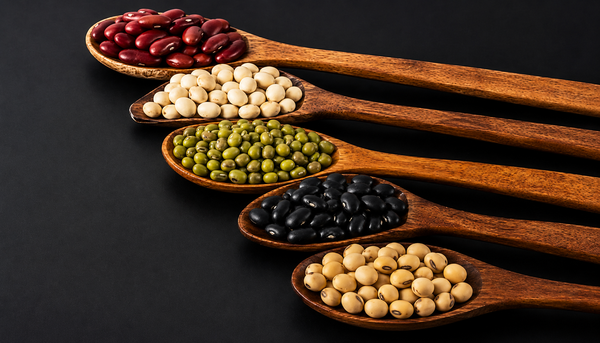
Fiber becomes more important with age, yet intake often decreases. Adequate fiber supports stool bulk, feeds beneficial bacteria, and enhances motility.
Top high fiber foods seniors should include:
-
Oats
-
Barley
-
Chia seeds
-
Flaxseeds
-
Lentils
-
Chickpeas
-
Rajma
-
Apples with skin
-
Pears
-
Guava
-
Leafy greens
-
Sweet potatoes
Soluble fiber softens stool and stabilizes blood sugar. Insoluble fiber adds bulk and improves bowel frequency. Together, they form the backbone of the best food for gut health and regular bowel movement.
A daily fiber intake of 25 to 30 grams is generally recommended, depending on tolerance.
2. Prebiotic Foods Elderly Adults Should Not Ignore

Prebiotics are specific fibers that feed beneficial gut bacteria. Without them, probiotics struggle to survive.
Key prebiotic foods elderly adults benefit from include:
-
Garlic
-
Onions
-
Leeks
-
Asparagus
-
Bananas
-
Oats
-
Chicory root
-
Cooked and cooled rice or potatoes
Prebiotics stimulate the growth of bifidobacteria and lactobacilli, supporting microbial diversity. This improves digestion, reduces inflammation, and enhances mineral absorption.
If you are building a gut friendly diet after 60, prebiotics are foundational.
3. Fermented Foods for Microbial Diversity

As microbiome diversity declines with age, fermented foods help restore beneficial bacteria.
Include:
-
Curd with live cultures
-
Kefir
-
Traditional buttermilk
-
Kanji
-
Sauerkraut
-
Kimchi
These foods reduce bloating, improve stool quality, and support immune resilience. When paired with prebiotic foods elderly adults consume, the effect is amplified.
4. Protein That Is Easy to Digest

Reduced stomach acid can make heavy protein difficult to tolerate. However, adequate protein is essential for maintaining muscle mass and gut lining integrity.
Easily digestible protein sources include:
-
Moong dal
-
Soft cooked lentils
-
Curd
-
Paneer in moderation
-
Eggs
-
Steamed fish
-
Soft tofu
Balanced protein intake indirectly supports bowel motility and digestive efficiency.
5. Hydration and Electrolyte Balance

Constipation in seniors is frequently linked to low hydration. Fiber without water worsens discomfort.
Encourage:
-
Warm water in the morning
-
Coconut water
-
Vegetable soups
-
Herbal infusions
Hydration works alongside high fiber foods seniors consume to promote smooth bowel movements.
6. Healthy Fats for Gut Motility

Healthy fats stimulate bile flow and aid regularity.
Include:
-
Ghee in moderation
-
Extra virgin olive oil
-
Soaked almonds
-
Walnuts
-
Seeds
Balanced fat intake supports nutrient absorption and digestive comfort.
7. The Best Food for Gut Health and Regular Bowel Movement
If constipation is a primary concern, structure meals strategically:
Morning:
-
Warm water
-
Soaked chia seeds
-
Fruit with skin
Midday:
-
Dal with vegetables
-
Brown rice or millet
-
Salad with lemon
Evening:
-
Vegetable soup
-
Steamed vegetables
-
Curd or buttermilk
This combination delivers fiber, hydration, prebiotics, probiotics, and healthy fats. That synergy defines the best food for gut health in seniors over 65.
What to Avoid for Better Digestion After 60

Certain foods may aggravate digestive discomfort:
-
Ultra processed foods
-
Excess sugar
-
Deep fried items
-
Very spicy heavy meals
-
Excess tea and coffee
-
Refined flour products
Reducing these improves bloating, acidity, and irregular bowel patterns.
Signs Your Gut Friendly Diet After 60 Is Working

Within weeks, you may notice:
-
More consistent bowel movements
-
Reduced bloating
-
Better energy
-
Improved appetite
-
Less heaviness after meals
Gut health influences immunity, mood regulation, metabolic stability, and inflammation control.
When Diet Is Not Enough
Some older adults continue to struggle despite improving their diet due to chronic constipation, reduced enzyme production, medication related gut imbalance, or significant microbiome depletion.
In such cases, comprehensive microbiome support can be helpful. For example, Gut Balance is designed specifically for seniors, combining 6 billion CFU of globally researched probiotic strains including Lactobacillus and Bifidobacterium, delivered through patented Microbac® technology to support survival and activity in the gut. The formula also includes targeted prebiotics like inulin, digestive enzymes such as Actazin® organic green kiwifruit extract rich in actinidin, along with papain and bromelain, and L Glutamine to support gut lining integrity, microbial balance, nutrient absorption, and overall digestive resilience.

Such clinically validated, sugar free, and gentle formulations can complement a gut friendly diet after 60 when dietary measures alone are not sufficient.
The Bigger Picture: Aging Well Starts in the Gut
Aging well is not about restriction. It is about intelligent nourishment.
The best food for gut health is not a single ingredient. It is a structured dietary pattern built around high fiber foods seniors require, strategic prebiotic foods elderly adults benefit from, hydration, and fermented diversity.
If you are designing the best food for gut health and regular bowel movement, or exploring the best food for gut health in seniors over 65, start with fiber diversity, microbiome support, and digestive gentleness.
A resilient gut means better absorption, stronger immunity, improved comfort, and sustained vitality beyond 60.
FAQs
1. What is the best food for gut health in seniors over 65?
The best food for gut health in seniors over 65 includes high fiber vegetables, lentils, oats, curd with live cultures, and prebiotic rich foods like garlic and bananas. A combination of fiber, probiotics, and hydration supports digestion, nutrient absorption, and regular bowel movement.
2. Why does digestion slow down after 60?
After 60, stomach acid production, digestive enzyme output, and gut motility naturally decline. These changes affect nutrient absorption and microbiome balance, making a structured gut friendly diet after 60 essential for better digestion and reduced bloating.
3. Which high fiber foods are best for seniors?
Top high fiber foods seniors should include oats, barley, chia seeds, lentils, chickpeas, apples with skin, guava, leafy greens, and sweet potatoes. Fiber improves stool bulk, supports beneficial gut bacteria, and promotes regular bowel movements.
4. What are the best prebiotic foods for elderly adults?
Important prebiotic foods elderly adults benefit from include onions, garlic, leeks, asparagus, bananas, oats, and chicory root. Prebiotics nourish beneficial bacteria and help maintain a healthy microbiome for better digestion and immunity.
5. What is the best food for gut health and regular bowel movement?
The best food for gut health and regular bowel movement combines soluble and insoluble fiber, fermented foods like curd or kefir, adequate hydration, and healthy fats. This combination improves stool consistency and supports digestive comfort.
6. How much fiber do seniors need daily for gut health?
Most older adults need 25 to 30 grams of fiber daily, depending on tolerance and medical conditions. Including high fiber foods seniors can improve constipation, reduce bloating, and support long term gut health.
7. Can probiotics improve gut health after 60?
Yes. Probiotics can help restore microbial balance, especially when microbiome diversity declines with age. When combined with prebiotic foods elderly adults consume, probiotics enhance digestion, immunity, and overall gut stability.
8. What foods should seniors avoid for better digestion?
To support a gut friendly diet after 60, limit ultra processed foods, refined flour, excess sugar, fried items, and heavy spicy meals. These can worsen bloating, acidity, and irregular bowel movements.
9. How can seniors reduce bloating naturally?
Seniors can reduce bloating by increasing fiber gradually, staying hydrated, including fermented foods, eating smaller meals, and avoiding gas producing processed foods. A structured best food for gut health approach improves digestive comfort over time.
10. When should seniors consider digestive supplements?
If dietary changes are not enough and symptoms like chronic constipation or bloating persist, targeted digestive support such as probiotics, enzymes, or fiber supplements may help. These should complement, not replace, the best food for gut health in seniors over 65.

Recommended Products
 Acidity Calm | Acid Reflux & Heartburn Relief | For Seniors | 15 Sachets
₹649 – ₹2,596
Acidity Calm | Acid Reflux & Heartburn Relief | For Seniors | 15 Sachets
₹649 – ₹2,596
 Bloat Calm | Bloating & Gas Relief | For Seniors | 15 Sachets
₹649 – ₹2,596
Bloat Calm | Bloating & Gas Relief | For Seniors | 15 Sachets
₹649 – ₹2,596
 Consti Calm | Constipation Relief & Digestive Comfort | For Seniors | 20 Sachets
₹949 – ₹3,796
Consti Calm | Constipation Relief & Digestive Comfort | For Seniors | 20 Sachets
₹949 – ₹3,796
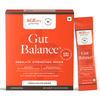 Gut Balance | Leaky Gut & Microbial Balance | For Seniors | 15 Sachets
₹749 – ₹2,996
Gut Balance | Leaky Gut & Microbial Balance | For Seniors | 15 Sachets
₹749 – ₹2,996














Leave a comment