


You started taking probiotics for a reason: better digestion, stronger immunity, clearer skin, sharper focus, or simply to feel better from within. But weeks later, the big question lingers: “Is this actually working or am I just taking another capsule?”
Unlike painkillers or caffeine, probiotics don’t give instant feedback. They work silently, deep inside your gut ecosystem, influencing trillions of microbes that shape everything from digestion to immunity and mood. That’s why understanding the signs that probiotics are working is crucial, not just for reassurance, but to know whether your current probiotic strategy is truly effective.
Let’s decode the science-backed signals your body gives when probiotics are doing their job and what it means if you’re not seeing them yet.
1. Your Digestion Feels Predictable Again
One of the earliest and clearest signs probiotics working is improved digestive rhythm.
You may notice:
-
Less bloating after meals
-
Reduced gas and abdominal discomfort
-
More regular bowel movements
-
Better stool consistency (not too loose, not too hard)
This happens because probiotics help rebalance gut bacteria, reduce harmful microbial overgrowth, and improve enzyme activity involved in digestion (NIH).
How to support this effect:
Pair your probiotic capsules with soluble fiber from fruits, oats, or a Dietary Fiber Supplement to help beneficial bacteria thrive.
2. You Get Sick Less Often or Recover Faster
Another powerful sign probiotics are working is improved immune resilience.
You may notice:
-
Fewer colds and infections
-
Faster recovery when you do fall sick
-
Reduced inflammation-related fatigue
This happens because probiotics strengthen the gut barrier and regulate immune cells that control inflammation and pathogen defense (NIH).
How to support this effect:
Choose prebiotic and probiotic tablets that nourish immune-supporting strains and take them consistently.
3. Your Gut Feels Calmer, Not Reactive
When probiotics begin restoring balance, your gut becomes less sensitive to stress and food triggers.
You may notice:
-
Less stress-related bloating
-
Reduced abdominal discomfort during anxiety
-
Better tolerance to everyday foods
This happens because probiotics modulate the gut–brain axis and reduce inflammatory signals that trigger gut reactivity (NIH).
How to support this effect:
Avoid ultra-processed foods and combine probiotic capsules with stress-management habits like mindful eating.
4. Your Energy Levels Become More Stable
Improved energy is a subtle but meaningful sign that probiotics are working beneath the surface.
You may notice:
-
Less post-meal sluggishness
-
Better stamina throughout the day
-
Reduced brain fog
This happens because probiotics improve nutrient absorption and reduce low-grade inflammation that drains energy (NIH).
How to support this effect:
Take probiotics daily and ensure adequate protein, iron, and B-vitamin intake.
5. Your Skin Starts Clearing from the Inside Out
Clearer, healthier skin often reflects a healthier gut microbiome.
You may notice:
-
Fewer breakouts
-
Reduced redness or irritation
-
Improved skin glow and texture
This happens because probiotics lower systemic inflammation and support detox pathways linked to skin health (NIH).
How to support this effect:
Stay hydrated and pair probiotics with antioxidant-rich fruits and vegetables.
6. You Experience Better Nutrient Tolerance
Better food tolerance is a strong sign that probiotics are repairing digestive function.
You may notice:
-
Less discomfort after dairy or fiber-rich foods
-
Reduced food-related bloating
-
Improved digestion of complex meals
This happens because probiotics enhance enzyme production and improve gut lining integrity (NIH).
How to support this effect:
Introduce previously problematic foods slowly while continuing probiotic supplementation.
7. Your Mood Feels More Balanced
Emotional stability is one of the most overlooked signs of probiotics working.
You may notice:
-
Less irritability
-
Better stress resilience
-
Improved emotional balance
This happens because gut bacteria influence serotonin and other neurotransmitters through the gut–brain axis.
How to support this effect:
Take probiotics consistently and support them with adequate sleep and stress management.
Why Some People Don’t See Results
If you’re not experiencing these signs of probiotics working, it’s usually not because probiotics “don’t work,” but because:
-
The product lacks strain diversity: Limited strains mean fewer functions are supported, reducing the overall impact on digestion, immunity, and gut balance.
-
The dose is too low: Insufficient CFUs fail to survive stomach acid and colonize the gut effectively.
-
There’s no prebiotic support: Without prebiotics, beneficial bacteria struggle to grow, survive, and stay active.
-
Gut damage or antibiotic history requires longer use: A disrupted microbiome needs extended, consistent supplementation to rebuild balance.
In many cases, upgrading to clinically formulated probiotic capsules, paired with prebiotic and probiotic tablets or a Dietary Fiber Supplement, makes all the difference.
The Bottom Line
Probiotics don’t shout. They whisper through better digestion, stronger immunity, clearer skin, calmer moods, and steady energy. When you know the signs that probiotics are working, you stop guessing and start trusting your gut, literally.
And when probiotics are combined with the right prebiotic and probiotic tablets, supported by a Dietary Fiber Supplement, they don’t just support digestion, they help rebuild your internal ecosystem. Real wellness doesn’t start in the mirror; it starts in the microbiome.
FAQs
1. How do I know if my probiotics are working?
You’ll notice key signs that probiotics are working, such as improved digestion, less bloating, better immunity, more stable energy levels, clearer skin, and improved mood over a few weeks of consistent use.
2. How long does it take for probiotics to start working?
Most people experience digestive improvements within 7–14 days, while benefits related to immunity, skin, energy, and mood may take 3–8 weeks depending on gut health and consistency.
3. Why am I not seeing results after taking probiotics?
If probiotics aren’t working, it’s often due to low strain diversity, insufficient dose, lack of prebiotic support, or past gut damage that requires longer, consistent use.
4. Do I need prebiotics along with probiotics?
Yes, prebiotics act as food for probiotics, helping beneficial bacteria survive, multiply, and stay active, making prebiotic and probiotic tablets more effective than probiotics alone.
5. Can probiotics really improve immunity and energy levels?
Yes, many benefits of probiotics come from improved gut health, which supports immune cells, reduces inflammation, and enhances nutrient absorption linked to better energy and resilience.
6. Are probiotic capsules better than food sources alone?
High-quality probiotic capsules provide targeted strains and clinically effective doses that are difficult to achieve consistently through food alone, especially after antibiotics or gut imbalances.
7. Should probiotics be taken with a dietary fiber supplement?
Pairing probiotics with a Dietary Fiber Supplement helps create the ideal gut environment, improves bacterial survival, and enhances long-term digestive and metabolic benefits.

Recommended Products
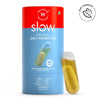 Daily Probiotic Slow
₹1,357 – ₹2,658
Daily Probiotic Slow
₹1,357 – ₹2,658
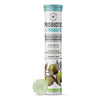 Probiotic + Prebiotic
₹664 – ₹3,355
Probiotic + Prebiotic
₹664 – ₹3,355













Leave a comment