


Constipation is one of those health concerns that almost everyone experiences at some point, but for some, it becomes a recurring struggle. Around 16% of adults worldwide live with chronic constipation, and the numbers climb higher among older adults (NIH). It’s more than just a minor inconvenience; it can affect comfort, energy, appetite, mood, and overall quality of life.
From a clinical perspective, constipation is defined as fewer than three bowel movements per week or stools that are hard, dry, and difficult to pass (NIH). On a practical level, it’s the heaviness you feel when your gut isn’t moving, the bloating that makes clothes uncomfortable, or the sluggishness that affects your focus and day-to-day rhythm.
Why does constipation happen?
The gut is a highly sensitive system, and even subtle changes in diet, hydration, or stress can slow it down. Common triggers include:
-
Low fiber intake
-
Dehydration
-
Sedentary lifestyle
-
Certain medications
-
Ignoring the urge to pass stool
-
Stress and disrupted sleep patterns
-
Medical conditions like hypothyroidism or diabetes
-
Alterations in gut microbiota
Among these, one underlying factor often overlooked is the health of your gut bacteria. That’s where probiotics come in.
How Probiotics Help with Constipation
Probiotics are live microorganisms (mainly bacteria and some yeasts) that provide health benefits when consumed in adequate amounts (NIH). The mechanism by which probiotics help in constipation are listed below.
1. Regulating Gut Microbiota
Constipation often develops when harmful bacteria outnumber beneficial ones, disrupting normal digestion. Probiotics restore this balance through competitive exclusion, meaning they occupy space and nutrients so pathogens cannot thrive. This balanced microbial ecosystem supports smoother bowel function and overall gut health (NIH).
2. Increasing Stool Frequency and Consistency
Certain probiotic strains ferment dietary fiber into short-chain fatty acids (SCFAs) like butyrate and acetate. These SCFAs lower colon pH, which improves water retention in the stool, making it softer and bulkier. Softer stools move more easily through the intestine, increasing frequency of bowel movements (Frontiers).
3. Stimulating Gut Movement (Motility)
Probiotics can influence the enteric nervous system, which acts like the gut’s “second brain.” By enhancing peristalsis (wave-like muscular contractions), probiotics help waste move efficiently through the intestines. This prevents stool stagnation and reduces straining (NIH).
4. Reducing Inflammation
Chronic constipation is often accompanied by mild intestinal inflammation driven by cytokines (chemical messengers of the immune system). Probiotics lower these inflammatory signals and strengthen the gut barrier, reducing irritation. A calmer, less inflamed gut environment supports healthier and more regular bowel movements (NIH).
Which Probiotic Strains Work Best for Constipation?
Different strains do different jobs, so picking the right ones is key.
1. Bifidobacterium lactis
Produces short-chain fatty acids (SCFAs) like acetate and butyrate, increasing stool water content. Suppresses harmful bacteria and improves stool frequency by ~20–25% and stool consistency by ~18% after 4 weeks. (NIH)
2. Lactobacillus casei
Enhances intestinal motility via enteric nervous system stimulation. Produces lactic acid, lowering intestinal pH, thus promoting peristalsis & improving stool frequency by 42%. (NIH)
3. Lactobacillus rhamnosus
Modulates serotonin pathways, enhancing gut motility. Strengthens gut barrier, reducing bloating and discomfort by 72% (NIH)
4. Bifidobacterium longum
Regulates gut-brain signalling, lowering stress-induced constipation. Produces SCFAs, stimulating peristalsis & reducing constipation severity by ~20%. (NIH)
👉 The most consistent results are seen when probiotics are taken daily for at least 4 weeks.
Everyday Habits That Enhance Probiotic Benefits

Taking probiotics works best when paired with supportive lifestyle habits that nurture your gut environment:
-
Stay Hydrated: Adequate water intake helps probiotics function effectively while also softening stool.
-
Add Fiber Gradually: Soluble fiber from foods like oats, flaxseed, and apples works alongside probiotics to regulate bowel movements and improve stool consistency.
💊 Dietary Fiber Supplement supports bowel regularity while nourishing gut microbes, making it an ideal partner to probiotics.
-
Support Daily Gut Balance: Probiotics work best when they’re consistent.
💊 Probiotic Capsules delivers max-strength gut support with 60 Billion CFU from 14 clinically proven strains, intelligently paired with flaxseed oil for better absorption, promoting skin health, heart health, and even micronutrient synthesis, benefits that go far beyond the gut.
-
Combine Probiotics with Prebiotics: Pairing live cultures with their natural fuel enhances colonization and results. Garlic, onions, bananas, and oats are rich in fibers that feed your probiotics, helping them colonize and multiply.
💊 Probiotic + Prebiotic effervescent tablets offer 6 active probiotic cultures with organic prebiotic fiber. With 2x better absorbed than synthetic pills and designed to relieve bloating, ease constipation, and regulate bowel movements.
-
Stay Active: Movement stimulates intestinal contractions. Even a brisk 20- minute walk can encourage healthy motility.
-
Manage Stress: Stress hormones directly affect digestion. Simple practices like deep breathing, yoga, and consistent sleep can restore the gut-brain axis and support better bowel health.
Key Takeaway: Probiotics as Gentle Allies
Probiotics are not a quick fix, but they work with your gut’s natural systems to ease constipation. By rebalancing bacteria, producing SCFAs, and supporting motility, they tackle the underlying causes instead of masking symptoms.
Pair probiotics with fiber, water, movement, and stress care, and you’ll be giving your gut the support it needs to function smoothly.
👉 The next time constipation slows you down, remember your gut may just be waiting for the right microbes to get things moving.

Recommended Products
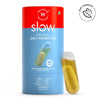 Daily Probiotic Slow
₹1,357 – ₹2,658
Daily Probiotic Slow
₹1,357 – ₹2,658
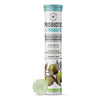 Probiotic + Prebiotic
₹664 – ₹3,355
Probiotic + Prebiotic
₹664 – ₹3,355
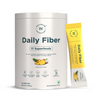 Daily Fiber | Pina Colada Flavour
₹872 – ₹1,708
Daily Fiber | Pina Colada Flavour
₹872 – ₹1,708
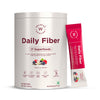 Daily Fiber | Vanilla Berry Flavour
₹872 – ₹1,708
Daily Fiber | Vanilla Berry Flavour
₹872 – ₹1,708











Leave a comment