


It always starts small.
A bit of heat in your chest after a long day, maybe after that late-night biryani or endless work call.
Then it grows, a familiar sour burn that climbs up your throat when you lie down. You reach for the antacid, it cools the fire, and life goes on.
But here’s the thing: acid reflux isn’t just about what’s happening in your stomach. It’s a signal from your gut saying, “something’s out of sync.”
And if your gut health has gone quiet, the solution might be less about silencing acid and more about rebalancing the entire digestive ecosystem.
What’s Really Going On Inside
Acid reflux happens when stomach acid slips past a small valve at the base of your oesophagus, the lower oesophageal sphincter (LES).
When that valve weakens, acid flows up, causing heartburn, regurgitation, and sometimes a sore throat or cough.
Now add modern life into the mix:
-
Late dinners, skipped lunches.
-
Stress calls that roll past bedtime.
-
Coffee breaks that replace actual meals.
Each of these habits disrupts digestion, weakens the LES, and changes the microbiome, the network of bacteria that run your gut’s daily rhythm.
Long-term antacid use may help the burn, but studies show it also changes your gut bacteria balance (NIH).
So, when your gut bacteria are out of rhythm, even good digestion feels like a struggle.
That’s where probiotics for acid reflux come in, not to fight acid, but to restore balance.
Where Probiotics Step In
Probiotics are live bacteria that support digestion, balance the gut environment, and strengthen the mucosal barrier that protects your intestinal lining.
Researchers believe probiotics may help by:
1. Improving Gut Motility
A healthy gut moves food efficiently, reducing the time acid stays in the stomach. Probiotics stimulate peristalsis, the rhythmic contractions that move food along, preventing pressure buildup and reflux episodes.
A study found that probiotics improved gastric motility and reduced reflux frequency in over 70% of participants (NIH).
2. Strengthening the Mucosal Barrier
Your intestinal lining is your body’s natural defense against acid irritation. Probiotics help reinforce this mucosal layer, protecting it from inflammation and microscopic damage linked to chronic reflux.
A clinical trial showed that adding probiotics to standard reflux therapy improved mucosal healing and reduced symptom recurrence by 17% (NIH).
3. Rebalancing the Gut Microbiome
Long-term use of PPIs and a processed diet can disrupt gut flora, leading to bloating, delayed emptying, and reflux. Probiotics help restore microbial diversity, lowering gas formation and improving digestive tone.
A study found probiotic supplementation corrected PPI-induced dysbiosis and improved GI comfort scores in 68% of patients (NIH).
Think of it this way: probiotics don’t suppress acid, they train your gut to handle it better.
Choosing The Right Strain
Not all probiotics speak the same cellular language. The right strains matter, especially when it comes to calming reflux and rebuilding your gut barrier.
Research shows that strains like Lactobacillus acidophilus, L. rhamnosus, and Bifidobacterium bifidum may help manage reflux symptoms and strengthen the intestinal lining.
Clinical data highlights:
-
65% reduction in burping (NIH)
-
59% decrease in Abdominal Pain (NIH)
-
66% drop in indigestion (NIH)
These numbers aren’t just about comfort, they show your microbiome’s capacity to self-correct.
How to Use Probiotics for Reflux Relief
If you’ve been living with that post-meal burn, a probiotic routine might be worth exploring.
Look for probiotic capsules or prebiotic and probiotic tablets that contain clinically validated strains and survive stomach acid.
Here’s how to build it into your day:
-
Take your probiotic after breakfast or dinner.
-
Stay consistent as microbiome balance builds over time.
-
Pair it with a gut health supplement for best results.
For those looking for reliable formulations, choose probiotic capsules that bring together multi-strain blends that stay stable even in Indian climates, combining science-backed efficacy with clean, natural sourcing.
Because healing reflux isn’t just about suppressing acid. It’s about reminding your gut how to work like it’s supposed to be: calm, rhythmic and efficient.
Building Gut Balance: The Lifestyle Way
Probiotics alone aren’t magic. Your gut is an ecosystem, it listens to what, when, and how you eat.
Here’s how to bring that rhythm back:
1. Eat early, not heavy.
Your digestive enzymes follow the sun. Finishing dinner 2–3 hours before bed gives your gut time to reset.
2. Sleep elevated.
A slight incline keeps acid where it belongs. Even a few inches can change how comfortably your stomach rests at night.
3. Ditch the extremes.
Fried, spicy, and overly rich foods make the LES sluggish. Choose balance, colorful meals that nourish, not challenge.
4. Add fiber.
Fibre fuels good bacteria and smooth digestion. If life gets too rushed, a dietary fiber supplement can keep that flow steady.
5. Calm your system.
Stress stalls digestion and tightens your core. A post-dinner walk or 5 minutes of slow breathing brings your body back into “digest mode.”
Together, these micro-habits rebuild gut resilience from the inside out and that’s where the benefits of probiotics truly take root.
The Cellular Takeaway
Here’s the truth:
Reflux doesn’t begin in your stomach; it begins in your cells.
When your gut’s bacteria fall out of sync, digestion slows, the LES weakens, and acid goes rogue. Restoring that balance with probiotics helps bring back the rhythm your body already knows.
So, start simple:
- Eat on time
- Add fiber
- Take your probiotic daily
Your gut isn’t asking for a cure, it’s asking for consistency.
Give it that, and you may notice the fire fading, sleep deepening, and mornings that start light, not acidic.
FAQs
1. Can probiotics really help with acid reflux?
Yes. Studies suggest that using probiotics for acid reflux may help improve digestion, support healthy gut bacteria, and reduce reflux frequency by improving gut motility and restoring balance (NIH).
2. Which probiotic strains are best for acid reflux?
Clinical data shows strains like Lactobacillus acidophilus, L. rhamnosus, and Bifidobacterium bifidum may help manage reflux symptoms and maintain gut barrier health (NIH). Always choose probiotic capsules with clinically studied strains.
3. How long does it take for probiotics to work for reflux?
Most people notice digestive improvements within 3–4 weeks of consistent use. However, results depend on diet, stress levels, and the quality of your gut health supplement.
4. Can probiotics be taken with antacids or PPIs?
Yes, probiotics are generally safe to take alongside PPIs or antacids. In fact, they may help counter PPI-related gut imbalance (NIH).
5. Are probiotics safe for daily use?
Absolutely. Prebiotic and probiotic tablets or probiotic capsules can be taken daily to maintain gut balance and prevent acid reflux recurrence as long as they contain clinically tested strains.
6. Can probiotics help with constipation or diarrhea too?
Yes. The benefits of probiotics extend beyond reflux. They also support smoother digestion, relieve constipation, and reduce diarrhea by stabilizing the gut microbiome and improving nutrient absorption.
7. Should I take probiotics before or after meals?
It’s best to take probiotics after meals when stomach acid is lower, allowing more live bacteria to reach your gut. Pairing them with a dietary fiber supplement can further support digestion and absorption.

Recommended Products
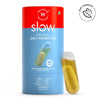 Daily Probiotic Slow
₹1,357 – ₹2,658
Daily Probiotic Slow
₹1,357 – ₹2,658
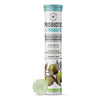 Probiotic + Prebiotic
₹664 – ₹3,355
Probiotic + Prebiotic
₹664 – ₹3,355
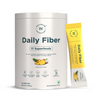 Daily Fiber | Pina Colada Flavour
₹872 – ₹1,708
Daily Fiber | Pina Colada Flavour
₹872 – ₹1,708
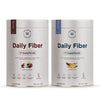 Daily Fiber | Two Flavour Combo
₹1,708
Daily Fiber | Two Flavour Combo
₹1,708
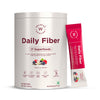 Daily Fiber | Vanilla Berry Flavour
₹872 – ₹1,708
Daily Fiber | Vanilla Berry Flavour
₹872 – ₹1,708












Leave a comment