


Diarrhea can hit without warning, leaving you drained and derailing your daily rhythm. Whether triggered by infections, antibiotics, or irritable bowel syndrome (IBS), finding effective, fast-acting relief becomes a priority. Probiotics for diarrhea are often touted for their gut-restoring power, but do they really deliver? Let’s break down the science, everyday strategies, and how prebiotic & probiotic tablets, a dietary fiber supplement, and probiotic-rich foods fit in. Plus, we’ll spotlight two modern supplements that demonstrate these principles in action.
What Are Probiotics & Prebiotics?
Probiotics are live microorganisms, “good bacteria” that, when taken in the right amounts, help restore balance in the gut microbiome. Diarrhea typically occurs when harmful bacteria overgrow or the gut lining is disrupted, such as during antibiotic treatment or infections. Probiotics work by:
-
Outcompeting harmful bacteria
-
Strengthening the gut barrier
-
Modulating immune responses in the gut (NIIH)
Prebiotics are non-digestible fibers that serve as food for probiotics, promoting their growth and activity. Together, they form a symbiotic relationship that supports a healthier gut environment (NIH).
Dietary fiber plays a key role too. As a form of prebiotic, it adds bulk to stools, slows rebound diarrhea, and supports regular bowel movements.
Probiotics and Diarrhea: What Science Says
Certain probiotic strains have strong clinical backing for diarrhea-related conditions:
-
IBS-D (Irritable Bowel Syndrome with Diarrhea): Some strains reduce diarrhea frequency and abdominal discomfort.
-
Antibiotic-Associated Diarrhea: Probiotics lower risk, especially when not taken too close to antibiotics.
-
Traveler’s Diarrhea: Starting probiotics before travel can reduce the likelihood of an episode.
However, not all probiotics are equal. The effectiveness depends on specific strains, proper dosage (billions of CFU), timing, and duration. Probiotic foods offer general benefits, but prebiotic & probiotic tablets or dietary fiber supplement provide precise dosing with documented strains.
Incorporating Prebiotic & Probiotic Foods
Boost your gut health daily with:
-
Yogurt containing live active cultures
-
Kefir
-
Fermented vegetables like kimchi and unpasteurized sauerkraut
-
Indian staples such as dahi, idli batter, and buttermilk
Prebiotic-rich options include garlic, onions, leeks, bananas, oats, and whole grains—fuel for beneficial bacteria.
The Role of Dietary Fiber Supplement
When dietary fiber intake falls short, a dietary fiber supplement (e.g., inulin, psyllium, oligofructose) supports gut health by regulating stool consistency, preventing diarrhea, and promoting motility (NIH). Combined with probiotics, fiber amplifies the gut’s resilience.
What to Look for in Probiotic Products
-
Strain Matters: Choose strains backed by research for diarrhea and IBS-D, like Lactobacillus rhamnosus GG and Bifidobacterium infantis.
-
Dose: Effective products often provide billions of CFU per day (NIH).
-
Delivery: Capsules, effervescent tablets, or time-release formulas ensure survival through stomach acid and better absorption.
Spotlight on Effective Supplement Options
-
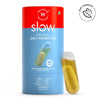
60 billion CFU across 14 clinically proven strains
-
Time-release technology ensures gradual delivery over ~8 hours
-
Free from gluten, lactose, and preservatives
Ideal for those managing IBS-D or antibiotic-associated diarrhea by restoring gut flora and strengthening the gut lining.
Wellbeing Nutrition’s Probiotic + Prebiotic Effervescent Tablets
-
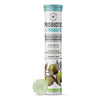
18 billion CFU from 6 active probiotic cultures
-
Organic prebiotic fiber from apple pomace and chicory root
-
Effervescent format dissolves in water, flavored with green apple & peppermint
-
Gentle on the stomach, better absorption than synthetic pills
These tablets highlight the synergy of prebiotic & probiotic tablets, promoting gut recovery and reducing bloating, gas, and acidity.
Do Probiotics Really Work for Diarrhea?
Yes, when used correctly. Evidence supports:
-
Short-term relief from acute diarrhea (e.g., antibiotics, infections)
-
Reduced episodes in IBS-D
-
Restoration of gut flora after disruption
Success hinges on selecting the right strain, taking the appropriate dose consistently, and pairing probiotics with prebiotics, a dietary fiber supplement, and a balanced diet. Hydration, avoiding irritants, and managing stress are equally important.
Practical Tips
-
Start early, such as when taking antibiotics or before travel
-
Be consistent—don’t expect instant results
-
Pair with prebiotic foods like bananas, oats, and garlic
-
Add a dietary fiber supplement if fiber intake is low
-
Monitor your body’s response: fewer loose stools, reduced bloating, less urgency
-
Seek medical help if diarrhea persists beyond two weeks
Conclusion
Probiotics for diarrhea aren’t a miracle cure, but they are powerful allies in managing digestive health. Combined with prebiotic foods, a dietary fiber supplement, and informed product choices like Daily Probiotic Slow Capsules or prebiotic & probiotic tablets, they help rebuild gut balance, improve stool consistency, and reinforce digestive health.
Think of probiotics as your subtle, consistent partners in gut resilience supporting recovery, comfort, and lasting wellbeing.

Recommended Products
 Daily Probiotic Slow
₹1,357 – ₹2,658
Daily Probiotic Slow
₹1,357 – ₹2,658
 Probiotic + Prebiotic
₹664 – ₹3,355
Probiotic + Prebiotic
₹664 – ₹3,355








Leave a comment