


The gut is more than a digestive organ; it is an intelligent ecosystem where trillions of microbes, immune cells, and nutrients constantly communicate. For this intricate system to stay in balance, every component must work in sync. Among the most overlooked yet vital contributors is zinc, a trace mineral essential for maintaining gut integrity, supporting enzyme function, and shaping a healthy microbiome.
While zinc is often associated with immunity or skin health, its role in gut health and microbiome balance is profound. From repairing intestinal barriers to modulating bacterial diversity, zinc acts as a gatekeeper of digestive wellness.
Why Zinc Matters for a Healthy Gut
Zinc is present in every cell and influences hundreds of enzymatic reactions that keep digestion efficient and inflammation in check. Here’s how this small yet mighty mineral safeguards your gut ecosystem.
1. Strengthens Gut Barrier and Lining
The intestinal lining acts as your body’s first line of defense. Zinc helps maintain the tight junctions that prevent toxins, pathogens, and undigested particles from leaking into the bloodstream. Without enough zinc, the gut wall can weaken, leading to what’s commonly known as leaky gut. A well-supported barrier ensures better nutrient absorption and stronger immune resilience.
2. Reduces Inflammation and Oxidative Stress
Zinc works as a natural antioxidant, helping neutralize free radicals that can damage the gut lining. It calms inflammation in the intestinal tract, creating an environment where beneficial bacteria can thrive while harmful microbes are kept in check. This balance is crucial for maintaining a healthy digestive rhythm and preventing chronic gut-related issues.
3. Supports Digestive Enzymes and Nutrient Absorption
Zinc is a cofactor for numerous digestive enzymes responsible for breaking down carbohydrates, proteins, and fats. It also contributes to stomach acid production, aiding in nutrient absorption. When zinc levels are optimal, digestion feels smoother, energy levels stay consistent, and bloating or indigestion is less frequent.
4. Promotes a Balanced Gut Microbiome
Recent research highlights zinc’s role in nurturing a balanced gut microbiome, the community of microorganisms that influence everything from metabolism to mood. Zinc encourages the growth of beneficial bacteria while suppressing harmful strains, supporting a more diverse and resilient microbial ecosystem.
Zinc Deficiency and Its Impact on Gut Health
A deficiency in zinc can quickly disrupt the delicate balance of the digestive tract. Studies suggest that nearly one in three adults may not be meeting their daily zinc requirements, which can trigger multiple gut-related consequences:
-
Imbalanced Microbiome (Dysbiosis): Low zinc levels can reduce bacterial diversity and promote the overgrowth of harmful microbes.
-
Increased Gut Permeability: Zinc deficiency weakens the intestinal barrier, increasing the risk of leaky gut.
-
Inflammatory Gut Conditions: Conditions like IBS, IBD, and general inflammation have been linked to inadequate zinc intake.
-
Reduced Short-Chain Fatty Acids (SCFAs): Zinc influences SCFA production, which fuels colon cells and supports gut healing.
Trace Minerals: A Broader Approach to Gut Health
Zinc does not act alone. Other trace minerals play equally important roles in supporting digestive function and microbiome health.
-
Magnesium helps regulate intestinal motility and prevents constipation by relaxing the smooth muscles of the gut.
-
Selenium protects gut tissues from oxidative damage and supports immune function within the intestines.
-
Iron influences microbial balance and oxygen transport, preventing fatigue while maintaining microbial diversity.
-
Chromium stabilizes blood sugar levels, which indirectly keeps gut bacteria in balance by preventing overgrowth of certain yeast and pathogenic microbes.
These minerals work synergistically, emphasizing the importance of a comprehensive trace minerals supplement to achieve full-spectrum gut and metabolic support.
Optimal Zinc Levels for a Balanced Microbiome
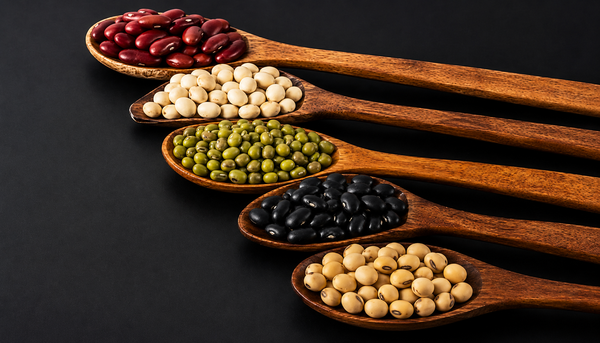
The body requires a steady intake of zinc through food or supplementation. Zinc-rich foods include oysters, poultry, beans, nuts, seeds, and dairy, though absorption from plant-based sources can be limited due to phytates. That is where high-bioavailability zinc supplements become essential, ensuring optimal absorption without taxing digestion.
The recommended daily intake (RDA) for adults ranges between 8–11 mg depending on age and gender, but stress, poor diet, or gastrointestinal disorders can increase the body’s zinc requirements.
How to Naturally Support Gut Health with Zinc
A balanced gut does not require drastic measures, only consistent support through nutrition, hydration, and mineral replenishment. Here’s how to begin:
1. Include Zinc-Rich Foods

Integrate foods like eggs, seafood, nuts, and legumes into your meals. These provide natural zinc while supporting other nutrients vital for digestion.
2. Add Fermented Foods

Fermented foods such as kefir, yogurt, kimchi, and sauerkraut supply probiotics that enhance the gut’s microbial diversity and improve zinc absorption.
3. Stay Hydrated

Water facilitates the transport and absorption of minerals like zinc and magnesium, supporting digestion and overall metabolic balance.
4. Consider Smart Supplementation

Even with a balanced diet, factors like stress or environmental exposure can deplete mineral stores. A trace minerals supplement can help fill these nutritional gaps effectively.
Science-Backed Support from Wellbeing Nutrition
Your gut is the foundation of overall health, and restoring its balance starts with proper mineral nutrition.
 Wellbeing Nutrition Trace Mineral Drops, powered by ConcenTrace®, delivers 72 ionic trace minerals sourced from the pristine Great Salt Lake, including zinc, magnesium, and selenium, all essential for gut repair, immune function, and cellular vitality. The liquid ionic form allows rapid absorption, ensuring these minerals reach the cells that need them most.

For an extra layer of immune and digestive support, the Wellbeing Nutrition Organic Vitamin C + Zinc Effervescent Tablets offer a synergistic blend of antioxidants and zinc that fortify both the gut lining and immune response.
Together, these formulations help you build a stronger, more resilient gut from within.
The Bottom Line
Zinc is more than an immune booster; it is the mineral that keeps your gut ecosystem thriving. From maintaining intestinal integrity to shaping a healthy microbiome, zinc plays a foundational role in how your body digests, absorbs, and defends. By combining zinc-rich nutrition with advanced trace minerals supplements, you can naturally restore balance to your gut and unlock better energy, mood, and overall well-being.
FAQs
1. How does zinc support gut health and microbiome balance?
Zinc strengthens the gut lining, supports digestive enzymes, and helps maintain tight junction integrity that prevents leaky gut. It also promotes microbial diversity by encouraging beneficial bacteria and reducing the growth of harmful strains, making it essential for a stable and balanced microbiome.
2. Can zinc help repair a weakened gut barrier?
Yes. Zinc is one of the most studied minerals for intestinal permeability. It helps rebuild the mucosal lining, supports tight junction proteins, and reduces oxidative stress that damages the gut wall. This makes zinc an effective nutrient for restoring gut barrier strength.
3. What are the signs of zinc deficiency related to gut health?
Common signs include bloating, poor digestion, reduced appetite, frequent stomach discomfort, slow healing of the gut lining, and symptoms of dysbiosis. Low zinc can also increase gut permeability and inflammation, worsening issues like IBS or sensitivity to certain foods.
4. Does zinc influence digestive enzyme activity?
Zinc acts as a cofactor for multiple digestive enzymes that break down fats, proteins, and carbohydrates. It also supports stomach acid production, improving nutrient absorption and overall digestive efficiency.
5. Can zinc improve gut immunity?
A significant portion of the immune system resides in the gut. Zinc supports immune cell activation within the intestines and prevents pathogenic bacteria from crossing the gut barrier. This dual action strengthens digestive and systemic immunity.
6. Should I take a zinc supplement for gut health?
Supplementation can be helpful if you struggle with poor absorption, low intake, high stress, or gut inflammation. Ionic trace mineral formulations like Wellbeing Nutrition Trace Mineral Drops offer high bioavailability, delivering zinc along with magnesium and selenium to support full-spectrum gut health.
7. How do trace minerals work together to improve digestion?
Zinc, magnesium, selenium, iron, and chromium influence gut motility, microbial balance, antioxidant defense, and nutrient metabolism. These minerals work in synergy, supporting everything from enzyme function to microbial diversity. A comprehensive trace minerals supplement helps maintain consistent levels for long-term digestive balance.

Recommended Products
 Trace Mineral Drops (ConcenTrace®) | 70+ Ionic Minerals & Magnesium | 40 Servings
₹1,000 – ₹1,934
Trace Mineral Drops (ConcenTrace®) | 70+ Ionic Minerals & Magnesium | 40 Servings
₹1,000 – ₹1,934
 Organic Vitamin C + Zinc
₹758 – ₹2,035
Organic Vitamin C + Zinc
₹758 – ₹2,035















Leave a comment