


It started with a cold that wouldn’t go away. Then came the bloating, the breakouts, the fatigue. You tried cutting dairy, sleeping more, even taking immunity boosters, but nothing seemed to stick.
Turns out, the problem wasn’t outside your body at all. It was inside, in the ecosystem of microbes that quietly run your digestion, mood, and immune defenses.
When your gut microbiome falls out of balance, your immune system loses its rhythm too. The result? More infections, sluggish energy, and even skin flare-ups. But when you nourish your gut, everything else, from your immunity to your glow, starts working better.
The Gut-Immune Connection: Where It All Begins
Your gut isn’t just where food is digested, it’s where about 70% of your immune system actually resides (NIH). This intricate system of cells, tissues, and beneficial bacteria forms a protective wall between your body and the outside world. It’s your internal defense force, trained daily by the microbes living in your gut.
A healthy gut microbiome, the community of trillions of bacteria, fungi, and viruses living in your intestines, teaches your immune cells what to fight and what to tolerate. This balance determines how resilient you feel day-to-day.
When that balance is disturbed, inflammation rises, nutrient absorption falls, and your immune system starts to overreact or underperform. That’s when you start catching every seasonal infection, feeling fatigued, or even experiencing unexplained skin breakouts.
How Probiotics Strengthen the Immune System
Before we dive in, let’s clarify, what exactly are probiotics?
Probiotics are live, beneficial microorganisms, mostly bacteria and some yeasts, that naturally live in your gut. When consumed in adequate amounts, they help maintain a balanced microbiome, aid digestion, and train your immune system to respond effectively without overreacting.
Think of probiotics as your gut’s peacekeepers. They crowd out harmful microbes, produce short-chain fatty acids that reduce inflammation, and communicate with your immune cells to keep your defenses alert yet balanced (NIH).
Specific probiotic strains have shown measurable effects in improving gut health and restoring microbial balance. For example, Bifidobacterium longum ES1 led to a 46% decrease in abdominal pain intensity and improved mucosal integrity in people with gut inflammation (NIH). Similarly, Lactobacillus rhamnosus GG (LGG) reduced IBS-induced diarrhea by 33% within six weeks (NIH).
This shows that probiotics don’t just ease digestion, they help regulate immune signaling, repair the gut lining, and reduce inflammatory responses that weaken immunity.
Adding a gut health supplement like a multi-strain probiotic blend or a dietary fiber supplement can help replenish beneficial bacteria and strengthen this gut-immune loop naturally.
The Gut-Skin Axis: When Your Gut Reflects on Your Skin
Your gut and skin are in constant conversation. When the gut barrier is strong, inflammation is kept in check, and your skin stays calm and radiant. But when the gut microbiome is disrupted, toxins and inflammatory molecules leak into the bloodstream, a phenomenon known as “leaky gut.” The result? Acne, redness, and sensitivity.
In one clinical study, a probiotic blend containing Bifidobacterium breve BR03, Lacticaseibacillus casei LC03, and Ligilactobacillus salivarius LS03 led to a 38.89% decrease in acne lesions and a 60% reduction in skin redness (erythema) after eight weeks (NIH). These benefits arise from the anti-inflammatory and antimicrobial effects of probiotics that rebalance the skin from within.
That’s the beauty of the gut-skin axis, heal one, and the other thrives.
Gut Health and the Immune System: Science-Backed Evidence

Your immune cells and gut microbes have a daily dialogue that shapes your body’s defenses. Strains like Bifidobacterium longum subsp. longum have been shown to reduce perceived stress by 21.4% and lower cortisol, your body’s main stress hormone by 18% in just six weeks (NIH). Lower stress means lower systemic inflammation and stronger immune resilience.
In another study, Lactobacillus plantarum ECGC 13110402 led to a 36.7% decrease in total cholesterol and a 53.9% drop in triglycerides (NIH), proving how gut bacteria influence metabolic and immune pathways simultaneously.
Even short-term interventions make a difference. Lactobacillus acidophilus NCFM and Bifidobacterium lactis Bi-07 reduced bloating severity by 36.9% within four weeks (NIH), showing how quickly a balanced gut can restore comfort and vitality.
How to Improve Gut Health for Stronger Immunity
Nurturing your microbiome doesn’t need drastic changes. Small, consistent actions make a real difference:
-
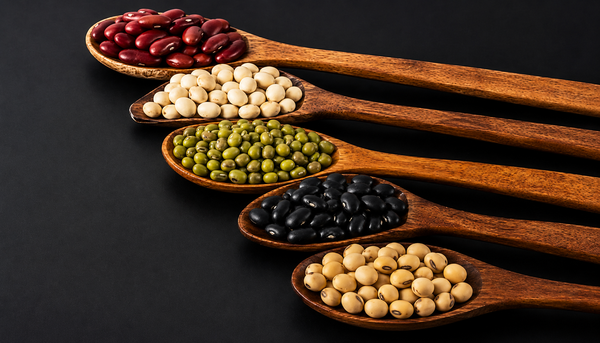
Eat for your microbes: Include a variety of plant fibers from fruits, vegetables, legumes, and whole grains, they’re the main fuel for good bacteria.
-
Add probiotics for gut health: Probiotic tablets or probiotic capsules containing capsules containing clinically studied strains like Lactobacillus and Bifidobacterium help restore microbial diversity.
-
Stay hydrated and manage stress: Both dehydration and chronic stress disrupt the gut barrier and immune cell communication.
-
Get enough sleep: Better gut health means better sleep and that creates a feedback loop where restful nights keep your immune system strong and balanced. A 2025 study found that Lactobacillus acidophilus FB0012, L. plantarum FB0015, and L. rhamnosus FB0047 improved sleep quality by 45.1% and recovery by 38.5% in just two weeks (NIH).
Your gut is more than just a digestive organ, it’s your body’s command center for resilience, energy, and even skin clarity. Treat it well, and it rewards you with stronger defenses from the inside out.
Conclusion
Your gut and immune system are in constant communication, shaping how you feel, function, and fend off illness. When you feed your gut the right foods, manage stress, and support microbial diversity, you’re not just improving digestion; you’re reinforcing your body’s frontline defense.
Think of your gut as a living ecosystem, the more you care for it, the stronger your entire body becomes. Whether it’s fighting off infections, maintaining energy, or supporting clear, calm skin, it all begins in the gut.
Small, consistent changes, mindful eating, quality sleep, hydration, and balanced nutrition, can create a ripple effect that transforms your overall health from the inside out.
FAQs
What is the connection between gut health and immunity?
About 70% of your immune system lives in your gut. A healthy gut microbiome helps train immune cells, control inflammation, and protect against infections. When your gut bacteria are imbalanced, your immune defenses weaken, leading to more frequent illness or fatigue.
How do probiotics improve immune function?
Probiotics are beneficial bacteria that restore microbial balance in your gut. They strengthen the gut barrier, regulate immune signaling, and reduce inflammation, helping your body respond better to viruses and harmful microbes.
Can poor gut health cause low immunity?
Yes. Poor gut health leads to chronic inflammation and nutrient malabsorption, both of which can suppress immune activity. Restoring gut balance through probiotics, prebiotics, and a fiber-rich diet helps rebuild immune strength naturally.
Which foods improve gut health?
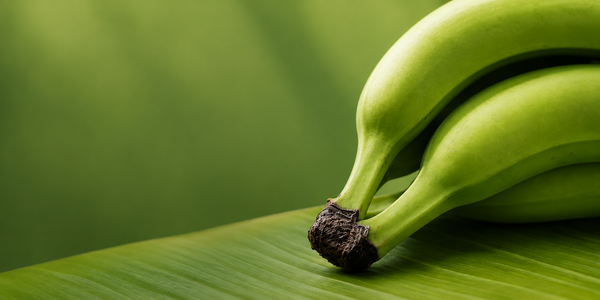
Fermented foods like yogurt, kefir, kimchi, and sauerkraut are natural sources of probiotics. Combine them with fiber-rich foods, such as bananas, oats, garlic, and legumes, to feed beneficial bacteria and support a resilient immune system.
Do probiotics really help prevent infections?
Clinical studies show certain probiotic strains, such as Lactobacillus rhamnosus GG and Bifidobacterium longum, can reduce the duration and severity of common infections by strengthening the gut-immune connection.
How long does it take for probiotics to work for immunity?
You may notice changes in digestion within 2–4 weeks, but measurable immune benefits often appear after consistent use for 6–8 weeks. Regular intake and a supportive diet amplify long-term results.
Can stress and sleep affect gut health?
Absolutely. Stress hormones and poor sleep disrupt gut bacteria balance, weaken your gut barrier, and trigger inflammation. Prioritizing relaxation and 7–8 hours of sleep supports both gut harmony and immune resilience.

Recommended Products
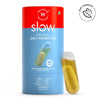 Daily Probiotic Slow
₹1,357 – ₹2,658
Daily Probiotic Slow
₹1,357 – ₹2,658
 Healthy Gut
₹649 – ₹1,298
Healthy Gut
₹649 – ₹1,298
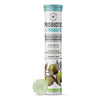 Probiotic + Prebiotic
₹664 – ₹3,355
Probiotic + Prebiotic
₹664 – ₹3,355
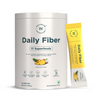 Daily Fiber | Pina Colada Flavour
₹872 – ₹1,708
Daily Fiber | Pina Colada Flavour
₹872 – ₹1,708
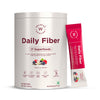 Daily Fiber | Vanilla Berry Flavour
₹872 – ₹1,708
Daily Fiber | Vanilla Berry Flavour
₹872 – ₹1,708











Leave a comment