


You wake up bloated, sip coffee hoping it’ll help, and end up in the bathroom again.
By the time you reach work, your stomach feels like it’s leading its own unpredictable life.
That’s the quiet frustration of Irritable Bowel Syndrome (IBS), a condition that affects more than 10% of adults worldwide, often in their most productive years (NIH). It isn’t just “a bad stomach.” It’s a gut that’s lost its rhythm.
Stressful mornings, long gaps between meals, late-night dinners, and inconsistent sleep, all chip away at gut balance. And when that balance breaks, your gut stops being your ally and starts talking back, loud and clear.
IBS isn’t random, it’s your microbiome’s SOS.
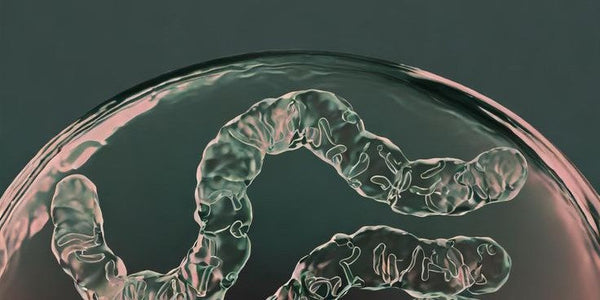
Your gut is an ecosystem of over 100 trillion microbes that regulate digestion, immunity, and even mood. When these microbes fall out of sync, IBS symptoms like bloating, constipation, and diarrhea surface as your body’s way of saying: “Something’s off.”
IBS Decoded: When the Gut Talks Back
IBS isn’t caused by one single trigger.
It’s what happens when communication between your gut and brain misfires.
Normally, the gut-brain axis keeps digestion smooth, signals move from your enteric nervous system (your “second brain”) to your central nervous system. But chronic stress, antibiotics, processed food, or irregular eating can confuse this signaling loop.
Here’s what typically happens in IBS:
-
Gut motility goes off-beat. Food moves too fast (diarrhea) or too slow (constipation).
-
Inflammation rises. The intestinal lining becomes hypersensitive.
-
Microbial imbalance (dysbiosis) sets in, bad bacteria overgrow, and good bacteria shrink.
That’s why managing IBS isn’t just about suppressing symptoms with pills, it’s about restoring the internal ecosystem that keeps your gut calm and rhythmic.
When your microbiome regains balance, communication resumes.
And that’s where probiotics come in.
How Probiotics Work

Your gut is a dynamic ecosystem where trillions of microbes talk to your immune and nerve cells every second. Probiotics, the live beneficial microorganisms that support gut and immune health, act as cellular mediators when that conversation breaks down, as it does in IBS to help restore communication, rebuild structure, and rewire balance.
Here’s how they work within you:
1. Restore microbial balance
Probiotics repopulate beneficial bacteria like Lactobacillus and Bifidobacterium, pushing out species that trigger bloating and irregular motility. This shift lowers intestinal pH, making the gut less hospitable to harmful microbes.
Over time, microbial diversity strengthens digestion and reduces inflammation.
Studies have found that Lactobacillus acidophilus and Bifidobacterium lactis reduced bloating by 33.5% in 4 weeks (NIH).
2. Repair the gut barrier
They activate genes that produce mucin and tight junction proteins, sealing microscopic leaks in the gut lining. This prevents toxins from crossing into circulation and reduces immune overactivation.
A stronger barrier means less bloating, pain, and unpredictable bowel movements.
Research with Lactobacillus rhamnosus GG cut IBS-related diarrhea by 33% in 6 weeks (NIH).
3. Modulate immune signaling
Probiotics communicate directly with intestinal immune cells to downregulate inflammatory cytokines. They also promote regulatory T-cells that teach your immune system to stay calm.
The outcome is less hypersensitivity and smoother digestive rhythms.
Clinical trials showed that L. acidophilus DDS-1 improved abdominal pain and bowel regularity within 21 days (NIH).
4. Rebalance serotonin and motility
Probiotics influence enterochromaffin cells, which produce 90% of the body’s serotonin.
This neurotransmitter controls how quickly or slowly your gut moves food along.
Balanced serotonin levels help ease both constipation and diarrhea episodes.
Studies with L. acidophilus + L. plantarum found improved bowel regularity in 34.6% of participants in 14 days (NIH).
5. Restore gut-brain communication
Certain strains produce GABA and short-chain fatty acids that calm vagus nerve activity.
This lowers stress-driven gut spasms and reduces IBS flare-ups linked to anxiety.
When your gut and brain reconnect, digestion regains its natural rhythm.
Clinical data shows that Bifidobacterium longum decreased percieved stress by 21.4 (NIH).
Probiotics aren’t quick fixes, they’re bioactive communicators that rebuild trust between your gut cells, immune system, and brain. When that network is restored, the symptoms fade, and balance quietly returns from the inside out.
Lifestyle + Supplementation: The 360° Relief Plan
Probiotics work best when your lifestyle supports them. They’re not magic capsules, they’re living allies that thrive in a nurturing environment.
Here’s how to make them work for you:
1. Choose the right strain
Look for clinically studied strains like L. rhamnosus, L. acidophilus, and B. longum in multi-strain, delayed-release capsules. Aim for 5–10 billion CFU per dose to support both upper and lower GI balance.
2. Feed them right.
Include prebiotic-rich foods like banana, garlic, and oats that nourish good bacteria. Or opt for prebiotic and probiotic tablets for consistent synergy.
3. Balance your meals.
High-fat processed foods trigger IBS flare-ups. Instead, add soluble dietary fiber supplements to keep bowel movements regular without irritation.
4. Train your gut clock.
Eat and sleep at consistent times. The gut microbiome follows a circadian rhythm too, respect it, and it’ll return the favour.
5. Breathe before you eat.
Deep breathing activates the parasympathetic (rest-and-digest) mode, reducing gut hypersensitivity during meals.
Probiotics and lifestyle go hand in hand. One creates the environment, the other restores the population. Together, they rebuild communication between your cells and your gut lining, turning discomfort into resilience.
The Takeaway: Healing the Gut, One Signal at a Time
IBS isn’t a life sentence.
It’s a signal from your body asking for better balance.
Probiotics for IBS don’t erase symptoms overnight, but they help rebuild the communication that keeps your gut calm and predictable. Studies show measurable improvements in bowel regularity, bloating, and overall comfort when paired with mindful eating, stress management, and sleep hygiene.
Your gut isn’t just digesting food, it’s digesting your lifestyle.
When you tune into that connection, healing stops being external and becomes cellular.
Calm gut. Clear mind. Consistent days.
That’s what true wellbeing feels like.
FAQs
1. Do probiotics really help with IBS symptoms?
Yes, clinical studies show probiotics can help reduce bloating, diarrhea, and constipation in IBS by restoring microbial balance and supporting gut barrier integrity (NIH).
2. Which probiotic strains are best for IBS?
Strains like Lactobacillus rhamnosus, L. acidophilus, and Bifidobacterium longum are clinically validated for easing IBS symptoms and improving digestive comfort.
3. How long do probiotics take to work for IBS?
Most people notice improvement in 2–6 weeks with consistent use, especially when combined with a balanced diet, hydration, and stress management.
4. Can probiotics make IBS worse at first?
Some people may experience mild bloating or gas initially, this usually means the gut microbiome is adjusting. Symptoms typically settle within a few days.
5. Should I take single-strain or multi-strain probiotics for IBS?
Multi-strain probiotics are often more effective, as they target both the upper and lower GI tract and offer broader microbial diversity.
6. Do probiotics help with both IBS-C and IBS-D?
Yes, specific strains like L. acidophilus have shown dual benefits, reducing both constipation and diarrhea by balancing gut motility and serotonin signaling.
7. What’s the best way to take probiotics for IBS?
Choose delayed-release or enteric-coated capsules with at least 5–10 billion CFU, take them daily with meals, and pair them with prebiotics for optimal gut colonization.

Recommended Products
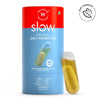 Daily Probiotic Slow
₹1,357 – ₹2,658
Daily Probiotic Slow
₹1,357 – ₹2,658
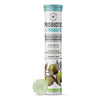 Probiotic + Prebiotic
₹664 – ₹3,355
Probiotic + Prebiotic
₹664 – ₹3,355
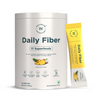 Daily Fiber | Pina Colada Flavour
₹872 – ₹1,708
Daily Fiber | Pina Colada Flavour
₹872 – ₹1,708
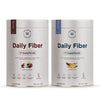 Daily Fiber | Two Flavour Combo
₹1,708
Daily Fiber | Two Flavour Combo
₹1,708
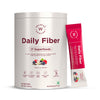 Daily Fiber | Vanilla Berry Flavour
₹872 – ₹1,708
Daily Fiber | Vanilla Berry Flavour
₹872 – ₹1,708











Leave a comment