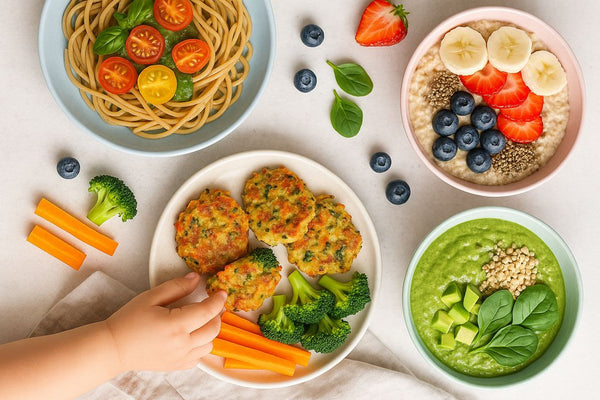
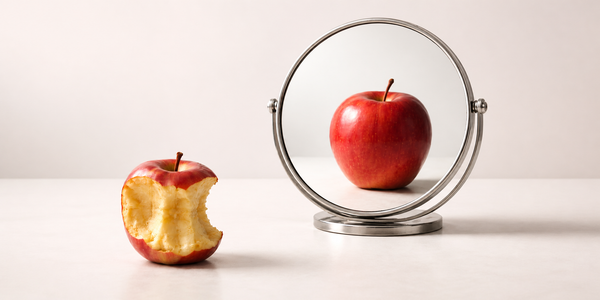
As parents, it’s natural to worry when your child seems to fall sick more often than expected, even when they’re eating “enough.” In today’s fast-paced world of packaged snacks and quick meals, understanding nutrition for kids can feel confusing. Is their diet truly supporting immunity, or just filling their stomach?
In this blog, we unpack the real difference between eating enough and eating right for immune strength. You’ll discover how everyday foods shape your child’s immune resilience, which nutrients matter most, and how simple, practical food choices can help raise stronger, healthier kids, one meal at a time.
Why Nutrition and Immunity Are So Closely Linked
Immunity isn’t something that just happens. It’s built, day by day, meal by meal. Your child’s immune system is like a fortress. The stronger the materials you give it, vitamins, minerals, antioxidants, healthy fats, and real energy, the better it can defend against viruses, bacteria, and other stressors.
Here’s the science in simple terms: food provides the building blocks for cells that fight disease. Without robust nutritious food, the immune system lacks the tools it needs. This is not just about avoiding illness. Better immunity = fewer sick days, higher energy, brighter moods, and stronger focus in school.
Top Immunity-Boosting Foods
Here’s a parent-friendly list of powerhouse foods that go beyond basic nutrition food for kids, they actively strengthen immunity, support growth, and help children fight everyday infections naturally.
Colorful Fruits & Berries

Colorful fruits are rich in vitamin C and antioxidants that strengthen immune cells and help the body respond faster to infections. They also reduce oxidative stress, which can weaken immunity in growing children. Regular intake supports faster recovery and fewer sick days (NIH).
Examples: Oranges, strawberries, blueberries, kiwi, mango
How to incorporate: Make fruit popsicles, fruit sticks with toothpicks, rainbow fruit bowls, or blend into naturally sweet smoothies.
Green & Orange Vegetables

Vegetables like leafy greens and orange veggies provide vitamins A, C, and E, which play a key role in immune defense and cell repair. They help maintain healthy mucosal barriers, the body’s first line of defense against germs. These nutrients also support gut health, where most immunity begins (NIH).
Examples: Spinach, broccoli, carrots, sweet potatoes, pumpkin
How to incorporate: Hide them in cheesy pasta, veggie nuggets, cutlets, dosa batter, or colourful veggie pancakes.
High-Quality Protein Foods

Proteins supply amino acids needed to build immune cells, antibodies, and enzymes that fight infections. Without enough protein, the immune system struggles to respond effectively. Balanced protein intake also supports growth and sustained energy (NIH).
Examples: Eggs, lentils, beans, paneer, chicken, fish
How to incorporate: Egg muffins, paneer cubes with mild seasoning, chicken nuggets (homemade), or dal mixed into soft rice with ghee.
Healthy Fats & Omega-3s

Healthy fats help regulate inflammation and support immune cell communication. Omega-3 fatty acids are especially important for reducing excessive immune reactions and improving recovery. They also support brain development alongside immunity (NIH).
Examples: Fatty fish, walnuts, flaxseeds, chia seeds, avocado
How to incorporate: Add powdered seeds to chocolate milk, mix into ladoos, spread avocado on toast with cheese, or include in smoothies.
Probiotic-Rich Foods

A strong immune system starts in the gut, and probiotics help maintain a healthy balance of good bacteria. These beneficial microbes improve digestion, nutrient absorption, and immune response. Children with better gut health tend to fall sick less often (NIH).
Examples: Curd with live cultures, kefir, fermented foods
How to incorporate: Sweet lassi, fruit yogurt bowls, frozen yogurt bites, or curd mixed with rice and a little ghee.
Zinc- & Mineral-Rich Foods

Zinc and trace minerals help immune cells communicate and respond quickly to infections. Even mild deficiencies can increase susceptibility to colds and slow recovery. These nutrients are often missing in processed diets (NIH).
Examples: Pumpkin seeds, sunflower seeds, nuts, whole grains
How to incorporate: Grind seeds into chocolate spread, mix into laddoos, sprinkle into popcorn, or add to homemade granola bars.
How to Make Nutrition Fun and Sustainable
Let’s be honest, most kids don’t reject food because it’s healthy, they reject it because it’s boring. With a little creativity and consistency, nutrition can shift from a daily struggle into something kids actually look forward to.
Rainbow Plates

Turn meals into a color game by asking your child to “eat the rainbow” at every meal. Different colors naturally deliver different nutrients, helping immunity while making plates visually exciting and less intimidating.
DIY Lunch Bars

Give kids control by setting up a mini food station with wraps, proteins, veggies, and dips they enjoy. When children build their own meals, they’re far more likely to eat them and enjoy the nutrition that comes with it.
Soup Parties

Soups are one of the easiest ways to pack immunity-boosting nutrients into a single bowl. Blended textures, mild spices, and familiar flavors help kids consume vegetables and proteins without resistance.
Smoothie Packs

Prepping smoothie ingredients in advance removes the morning rush and ensures consistent nutrition. Naturally sweet fruits mask greens and seeds, making smoothies a reliable way to support immunity every single day.
These small, repeatable habits help normalize kids nutrition food at home, building strong immunity now and healthier eating patterns for life.
When Food Isn’t Enough
Sometimes, due to picky eating, seasonal changes, or growth spurts, food alone doesn’t cover all the bases. That’s when well-formulated nutrition support can help.
One great option is Wellbeing Nutrition Kids Super Fuel,a thoughtfully crafted supplement designed to support immune health and overall growth. It uses clean, whole-food-based ingredients with no artificial additives, sugar, or fillers, just nutrients kids need most.
This isn’t a quick fix, it’s intentional support that fits with a nutritious diet, not instead of it.
Practical Weekly Meal Plan for Immunity and Growth
Here’s a sample plan that blends taste with nutrient density:
|
Meal |
Veg Options |
Non-Veg Options |
|
Breakfast |
1) Paneer paratha + curd 2) Vegetable dosa with chutney 3) Fruit yogurt bowl |
1) Egg omelette + toast 2) Egg roll (whole-wheat) 3) Boiled eggs + buttered toast |
|
Mid-Morning Snack |
1) Fruit popsicles 2) Banana + peanut butter 3) Smoothie (fruit + seeds) |
1) Boiled egg 2) Yogurt + egg 3) Chicken sandwich bites |
|
Lunch |
1) Rajma chawal 2) Paneer wrap 3) Veg fried rice |
1) Chicken pulao 2) Chicken wrap 3) Egg fried rice |
|
Evening Snack |
1) Veg cutlets 2) Cheese sandwich 3) Roasted makhana |
1) Chicken nuggets (homemade) 2) Egg sandwich 3) Chicken popcorn |
|
Dinner |
1) Dal + rice with ghee 2) Veg pasta 3) Paneer bhurji + roti |
1) Chicken curry + rice 2) Grilled fish + mashed potato 3) Chicken pasta |
How to Use This Table
-
Rotate options across the week to avoid boredom
-
Pair meals with fruits and water for hydration
-
Focus on consistency, not perfection
Final Thoughts
Raising strong, healthy kids isn’t about perfection, it’s about consistency, balance, and joy around food. When you focus on what is food nutrition for kids, you build more than healthy bodies; you build confidence, energy, resilience, and lifelong habits.
Remember:
🌟 Nutrition is foundational
🌟 Immunity is a daily practice
🌟 Real food + Supplementation = stronger kids
So start today, plate by plate, snack by snack and watch your child thrive.
FAQs
1. What Is Nutrition for Kids and Why Is It Important for Immunity?
Nutrition for kids refers to providing the right balance of proteins, carbohydrates, healthy fats, vitamins, and minerals needed for growth and immune strength. Good nutrition helps build immune cells, supports gut health, and improves a child’s ability to fight infections. Without proper nutrition, immunity weakens even if a child eats enough calories.
2. What Are the Nutritional Needs for Kids at Different Ages?
Children need age-appropriate nutrition that includes protein for growth, calcium and vitamin D for bones, iron for energy, and vitamins A, C, and zinc for immunity. Younger kids need nutrient-dense foods in smaller portions, while growing children need higher protein and micronutrient intake. Balanced meals matter more than portion size alone.
3. What Is Good Nutrition for Kids on a Daily Basis?
Good nutrition for kids includes a mix of real foods such as fruits, vegetables, whole grains, proteins, healthy fats, and probiotic foods. Daily meals should focus on variety, color, and balance rather than processed or packaged foods. Consistency over time is what builds strong immunity and long-term health.
4. What Is Food Nutrition for Kids in Simple Terms?
Food nutrition for kids means eating foods that help their body grow, stay strong, and fight germs. Foods like fruits, vegetables, eggs, dal, curd, nuts, and whole grains give kids the nutrients their body needs to stay healthy. Junk foods may fill the stomach but do not support immunity.
5. Are Nutrition Drinks or Nutrition Shakes Good for Kids?
Nutrition drinks for kids can be helpful when children are picky eaters, fall sick often, or are going through growth spurts. They should support, not replace, real food and must be clean, low in sugar, and rich in essential nutrients. Always choose nutrition drinks designed specifically for children.
6. Which Nutrition Powder Is Best for Kids’ Immunity and Growth?
The best nutrition powder for kids is one made with real food ingredients, essential vitamins and minerals, and no artificial additives or excess sugar. It should support immunity, digestion, and growth without overstimulating the body. Parents should look for powders that complement daily meals, not replace them.
7. How Can Parents Teach Nutrition to Kids Without Forcing Them?
Parents can teach nutrition to kids by making food fun, colorful, and interactive rather than restrictive. Involving children in meal prep, explaining food benefits in simple language, and offering choices helps build positive habits. When kids enjoy food, healthy eating becomes sustainable.

Recommended Products
 Kids Superfuel | Creamy Vanilla | Nutrition Mix
₹759 – ₹1,518
Kids Superfuel | Creamy Vanilla | Nutrition Mix
₹759 – ₹1,518
 Kids Superfuel | Milk Chocolate | Nutrition Mix
₹759 – ₹1,518
Kids Superfuel | Milk Chocolate | Nutrition Mix
₹759 – ₹1,518