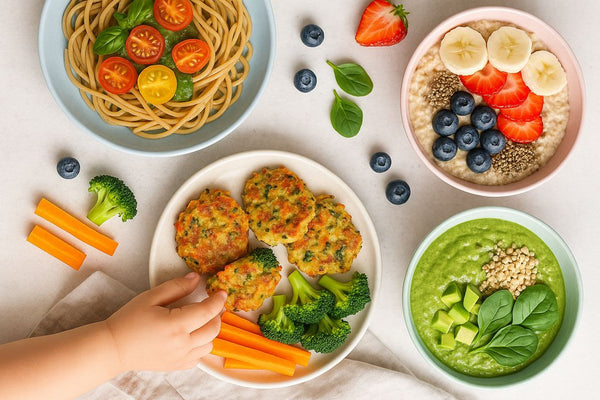
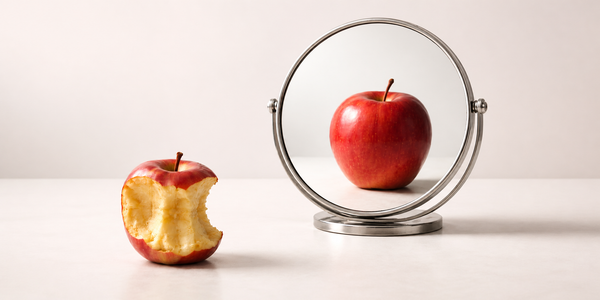
Every parent wants one thing to ensure their child is growing healthy, strong, and well nourished. Yet between picky eating, screen distractions, skipped meals, and easy access to packaged foods, meeting daily kids nutrition needs can often feel overwhelming. This growing gap between ideal nutrition for kids and what children consume has brought Kids Nutrition Drinks into the spotlight, often positioned as an easy, all in one solution.
But can a nutrition drink truly compared to a well-balanced meal? Should it replace real food, or simply support it when needed? Understanding this distinction is essential for making informed, confident decisions around good nutrition for kids.
Let’s explore what truly works best for growing children.
Understanding Children’s Nutritional Needs

Childhood is a critical phase of growth and development. A child’s body requires a broad range of nutrients to support:
-
Physical growth, including height, weight, and bone density
-
Brain development, learning, and cognitive function
-
Immunity and resistance to frequent infections
-
Sustained energy, focus, and daily activity
Essential nutrition vitamins for kids include protein, calcium, iron, zinc, vitamin D, B complex vitamins, healthy fats (especially omega 3s), and dietary fiber. Ideally, these come from a diverse mix of nutrition food for kids, offering both nourishment and long term health benefits.
The Power of Real Food

Real food whole, minimally processed foods remains the foundation of optimal nutrition for kids. Fruits, vegetables, whole grains, pulses, dairy, nuts, seeds, eggs, and lean proteins together form the core of kids nutrition food, delivering a naturally balanced nutrient profile.
Benefits of Real Food for Kids
Better Nutrient Absorption
Nutrients from whole foods are absorbed more efficiently as they are naturally paired with enzymes, fiber, and phytonutrients that support digestion and utilisation an essential aspect of nutrition facts for kids. (NIH)
Development of Healthy Eating Habits
Early exposure to different textures, colours, and flavours helps children develop a positive relationship with food and reduces picky eating over time, laying the foundation for lifelong healthy choices. (NIH)
Encourages Satiety and Appetite Regulation
Whole foods tend to be more filling, helping children recognise hunger and fullness cues naturally, an important component of good nutrition for kids. (NIH)
Supports Chewing and Oral Development
Solid foods strengthen jaw muscles, support dental health, and encourage proper chewing patterns, all of which play a role in digestion and long term eating skills.(NIH)
Challenges with Real Food

Despite its importance, relying solely on real food isn’t always practical:
-
Picky eaters may resist vegetables, fruits, or protein rich foods
-
Busy mornings and long school hours limit meal preparation
-
Appetite fluctuations during growth spurts are common
-
Repetitive diets can lead to micronutrient gaps
This is where nutrition drinks for kids often come into consideration.
What Are Kids Nutrition Drinks?

Kids Nutrition Drinks are specially formulated beverages designed to provide calories, protein, vitamins, and minerals in a convenient, easy to consume format. They are commonly used for:
-
Fussy or selective eaters
-
Children with poor or inconsistent appetite
-
Highly active kids with increased energy demands
-
Periods of illness, recovery, or academic stress
Available as milk based or plant based options, these drinks may include functional ingredients such as DHA, probiotics, or essential nutrition vitamins for kids, depending on formulation.
Benefits of Kids Nutrition Drinks
When chosen carefully, a nutrition drink for kids can offer meaningful support:
Convenience: Quick and easy to prepare, making them suitable for busy mornings, travel days, or school routines.
Nutritional Support: They help bridge nutrient gaps when daily meals don’t fully meet a child’s nutritional requirements.
Palatability: Flavoured formats are often more acceptable for children who resist solid foods or snacks.
Support During Special Phases: Useful during illness, recovery, growth spurts, or exam periods when appetite may be reduced.
Limitations of Nutrition Drinks
Despite their benefits, kids nutrition powder or drinks are not a replacement for meals:
-
Lack of chewing and texture may affect eating habits
-
Lower fiber content compared to whole foods
-
Some products contain added sugars or artificial flavours
-
Over reliance may reduce appetite for regular meals
This is why nutrition drinks should be viewed as supplements, not substitutes, within a child’s overall nutrition for kids plan.
Real Food vs. Nutrition Drinks: A Balanced Perspective
Rather than viewing real food and nutrition drinks as opposing choices, a more sustainable approach is thoughtful integration. Real food should always remain the foundation of a child’s diet, providing variety, structure, and long term benefits. Nutrition drinks for kids can serve as a nutritional safety net on days when meals are rushed, appetite is low, or nutrient intake falls short.
For example, a healthy kids nutrition shake may be paired with breakfast when time is limited, used as a mid morning or evening option instead of processed kids nutrition snacks, or included during travel and long school days to ensure consistent nourishment without compromising dietary balance.
How to Choose the Right Nutrition Drink for Kids
If you choose a nutrition drink, look for:
-
Adequate protein to support growth
-
Calcium and vitamin D for bone health
-
Iron, zinc, and B complex vitamins for energy and immunity
-
Low or no added sugar
-
No artificial colours, flavours, or preservatives
-
Clean, transparent labeling
Quality matters more than marketing claims when it comes to kids nutrition.
This is where Wellbeing Nutrition’s Kids Superfuel fits in a clean, science backed nutrition drink that supports growth, immunity, and brain health without refined sugar or artificial ingredients.

Formulated with high quality protein, omega 3 DHA, probiotics, and essential vitamins, it complements daily meals when nutrition needs extra support.
Final Thoughts: What Works Best?
When it comes to nutrition for kids, real food remains irreplaceable for long term health, habit building, and overall development. That said, modern lifestyles can make consistency challenging, and this is where nutrition drinks for kids can play a supportive role when used mindfully.
The goal isn’t real food versus nutrition drinks, but real food first, nutrition drinks when needed. With the right balance, parents can confidently support their child’s growth, immunity, and daily energy one thoughtful sip and bite at a time.
FAQs
1. Are kids’ nutrition drinks safe for daily consumption?
Kids’ nutrition drinks are generally safe when used in moderation and chosen carefully. They should be used as a nutritional support alongside regular meals, not as a daily replacement for real food.
2. Can nutrition drinks replace a balanced meal for children?
No. While nutrition drinks can help fill nutritional gaps, real food is essential for developing healthy eating habits, chewing skills, and overall long term health.
3. Are nutrition drinks useful for picky eaters?
Yes, nutrition drinks can help provide essential nutrients when a child is a picky eater or has a low appetite. However, they should be paired with continued efforts to introduce a variety of real foods.
4. What should parents look for in a good kids’ nutrition drink?
A quality nutrition drink should contain adequate protein, essential vitamins and minerals, minimal added sugar, no artificial colours or preservatives, and clearly labelled ingredients.
5. How can parents teach nutrition to kids?
Nutrition is best taught through daily habits offering balanced meals, involving children in food choices, and encouraging variety helps build a healthy relationship with food from an early age.
6. Are nutrition drinks good for kids?
Yes, when used mindfully. Nutrition drinks for kids can help support daily nutrition needs during picky eating, low appetite, or busy days, but should not replace real food.
7. What is the most healthy drink for kids?
Water and plain milk remain the healthiest everyday drinks. A clean, science backed kids nutrition drink can be added occasionally to support nutrient intake when meals fall short.
8. What is the best growth drink for kids?
There is no single best growth drink. A well formulated nutrition drink with quality protein, calcium, vitamin D, and essential vitamins can support growth alongside a balanced diet.
9. Which is the best nutrition for kids?
The best nutrition for kids comes from a varied diet of whole foods, supported by nutrition drinks when needed to bridge nutritional gaps without compromising eating habits.

Recommended Products
 Kids Superfuel | Creamy Vanilla | Nutrition Mix
₹759 – ₹1,518
Kids Superfuel | Creamy Vanilla | Nutrition Mix
₹759 – ₹1,518
 Kids Superfuel | Milk Chocolate | Nutrition Mix
₹759 – ₹1,518
Kids Superfuel | Milk Chocolate | Nutrition Mix
₹759 – ₹1,518