You’ve swapped your coffee for green tea, tried your share of smoothies, and maybe experimented with adaptogens, yet your energy still spikes and crashes. The missing piece might just be matcha, the ancient Japanese elixir redefining modern wellness.
Not all green powders are created equal. Real matcha powder isn’t just a trend; it’s a centuries-old craft. Its matcha flavor, color, and grade determine whether it energizes, calms, or simply tastes bitter. Understanding what matcha is made of can unlock its true matcha health benefits.
From Zen Monks to Your Morning Ritual

Over nine centuries ago, Japanese Zen monks discovered a way to stay present during long meditation hours: a bright green tea that sharpened the mind and soothed the nerves. This was the first matcha drink, made from finely ground matcha leaves.
Known as Tencha, these leaves were carefully shade-grown to enhance their amino acids and chlorophyll. Whisked into a frothy, vibrant green cup, matcha powder became a cornerstone of the Chanoyu, the Japanese tea ceremony, symbolizing mindfulness, harmony, and inner stillness.
Today, matcha uses extend beyond meditation. From calm mornings to focused afternoons, it’s become a wellness staple that delivers steady energy without the jitters of coffee.
Where Matcha Magic Begins: The Fields

The journey of matcha powder starts in the carefully tended tea gardens of Uji and Nishio in Japan. Farmers shade-grow the matcha plant for about 30 days before harvest, a process that boosts chlorophyll and L-theanine, the compounds behind its calming energy.
The leaves are then stone-ground into powder, preserving nutrients and the signature umami matcha flavor. This traditional method ensures a vibrant green, silky matcha drink with all the health benefits intact. Scientific studies confirm that shade-grown Tencha contains higher concentrations of EGCG, a potent antioxidant, making your matcha health benefits more powerful than standard green tea.
Decoding Matcha Grades: Choosing Your Ritual
Not all matcha powder is created equal. Understanding the grades helps you choose the right matcha for your lifestyle:
Ceremonial Grade: The youngest matcha leaves, bright green, naturally sweet, perfect for traditional whisking. Ideal for mindfulness rituals.
Premium Grade: Balanced taste and nutrition. Smooth, slightly robust flavor for daily sipping or a matcha drink.
Culinary Grade: Slightly bitter, designed for matcha ice cream, baking, smoothies, and recipes where matcha ingredients blend with other flavors.
A high-quality matcha drink should feel creamy, slightly sweet, and leave a calm alertness rather than jitters.
The Nutritional Power of Matcha
Unlike regular green tea, matcha is made of the entire leaf, meaning you consume fiber, chlorophyll, amino acids, and antioxidants in one cup. EGCG in matcha powder supports metabolism, cardiovascular health, and cellular protection.
The magic combination of caffeine and L-theanine delivers smooth, focused energy. While caffeine stimulates, L-theanine tempers it, preventing the spike-and-crash cycle. That’s why your matcha drink feels like calm energy rather than chaos.
Mastering the Matcha Ritual

Whisking matcha powder isn’t just a step; it’s a moment of presence:
-
Sift ½–1 teaspoon of matcha powder into a bowl.
-
Add 2 tbsp warm water (not boiling).
-
Whisk in a zig-zag motion using a bamboo whisk until frothy.
-
Add more water or milk to taste.
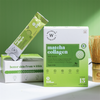
For added benefits, try matcha with collagen powder or probiotics. Every sip becomes a ritual, every whisk a moment of calm.
Beyond Tea: Everyday Matcha Uses
Matcha is versatile. Here’s how to incorporate it into your daily life:
-
Blend into smoothies, protein shakes, or lattes for clean energy.
-
Make matcha ice cream, pancakes, cookies, or energy bites.
-
Mix into overnight oats or chia pudding.
-
Whisk into yogurt, salad dressings, or sauces.
-
Use in DIY face masks for antioxidant-rich skincare.
For a modern upgrade, try matcha with collagen, boosting skin, hair, and joint health while enjoying all the matcha health benefits.
Storing Your Green Gold
Light, air, and heat are the enemies of matcha powder. Keep it in an airtight, opaque container, ideally in the refrigerator.
-
Fresh matcha leaves maintain their bright green color for 6–8 weeks once opened.
-
If your powder smells musty or turns yellow-green, replace it.
-
Proper storage preserves the vibrant matcha flavor and antioxidant content.
Finding Your Perfect Matcha
Let your lifestyle guide your choice:
-
Mindful mornings or meditation: Ceremonial Grade.
-
Daily sipping or mid-day focus: Premium Grade.
-
Kitchen creativity: Culinary Grade for baking or matcha ice cream.
Check for:
✅ Emerald green color
✅ Silky, talc-like texture
✅ Transparent origin from Japan
✅ Airtight, light-resistant packaging
High-quality matcha powder is fresh, slightly sweet, and never bitter. Cheap, dull powders often fail to deliver the authentic matcha health benefits.
The Takeaway: A Ritual of Wellness
Matcha powder is more than a drink. Every stage, from shade-growing matcha leaves to stone-grinding Tencha, preserves nutrients, flavor, and calm energy.
Choosing the right matcha powder is choosing quality over quantity, mindfulness over haste. True wellness doesn’t rush—it unfolds, one serene pour at a time. Elevate your daily ritual with matcha with collagen powder for added beauty and health benefits.
FAQs
1. What is matcha powder and how is it different from green tea?
Matcha powder is made from shade-grown Tencha leaves, ground into a fine powder. Unlike green tea, you consume the whole leaf, gaining more antioxidants, fiber, and amino acids.
2. What grades of matcha powder exist?
Ceremonial, Premium, and Culinary. Ceremonial for traditional tea, Premium for daily sipping, Culinary for cooking and baking like matcha ice cream.
3. How do I choose high-quality matcha powder?
Look for bright green color, silky texture, Japanese origin, and airtight packaging. Avoid dull, yellowish, or cheap blends.
4. What are the health benefits of matcha powder?
Supports metabolism, mental focus, detoxification, and cardiovascular health. EGCG and L-theanine provide calm, sustained energy and antioxidant protection.
5. Can matcha help with focus and stress?
Yes, L-theanine smooths caffeine’s effect, promoting calm alertness without jitters, ideal for work or meditation.
6. How can I use matcha in daily life?
Whisk as tea, add to smoothies, pancakes, overnight oats, or desserts. Pair with collagen for enhanced beauty and health benefits.
7. How should matcha be stored?
Keep in airtight, opaque containers, ideally refrigerated. Use within 6–8 weeks of opening for maximum freshness and matcha flavor.