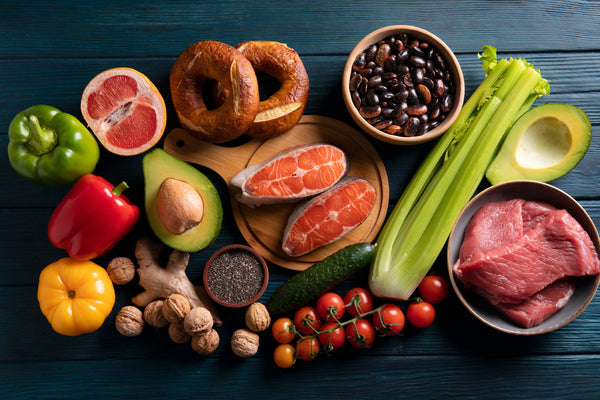
If you’ve ever noticed nutritionists, health blogs, and wellness experts raving about B‑vitamins, it’s not hype, it’s science. B Complex Vitamins are the unsung heroes behind your energy, focus, mood, and cellular health. In this deep-dive, we’ll break down exactly what they are, the best sources, and how smart supplementation can help you unlock lasting vitality.
Understanding Vitamin B Complex
Vitamin B Complex isn’t a single nutrient; it’s a family of eight water-soluble vitamins that work together to keep your body running smoothly. From converting food into energy, supporting brain and nerve function, to aiding red blood cell formation and cellular repair, these vitamins are biochemical powerhouses.
Vitamin B1 (Thiamine)
-
Acts as your cell’s ignition switch, helping convert carbohydrates into ATP, cellular energy via mitochondrial enzyme activation (NIH).
-
Supports smooth nerve signal transmission for proper neurological function (NIH).
-
Aids healthy muscle and cardiovascular activity, keeping your body energized and responsive (NIH).
Vitamin B2 (Riboflavin)
-
Powers cellular energy by driving key redox reactions through FAD and FMN coenzymes (NIH).
-
Strengthens antioxidant defenses by regenerating glutathione (NIH).
-
Supports healthy skin, hair, and vision while aiding iron metabolism (NIH).
Vitamin B3 (Niacin / Niacinamide)
-
Converts food into cellular energy via NAD⁺/NADP⁺ pathways that fuel metabolism (NIH).
-
Supports cholesterol balance and smooth cardiovascular function (NIH).
-
Aids DNA repair and brain signaling to keep cognitive processes sharp (NIH).
Vitamin B5 (Pantothenic Acid)
-
Forms coenzyme A, the backbone of fat, protein, and carb metabolism (NIH).
-
Supports adrenal hormone synthesis for a balanced stress response (NIH).
-
Helps cells generate steady energy during physical and mental demands (NIH).
Vitamin B6 (Pyridoxine)
-
Drives neurotransmitter production (serotonin, dopamine, GABA) for mood and cognition (NIH).
-
Supports amino acid and protein metabolism at the cellular level (NIH).
-
Aids red blood cell formation and strengthens immune pathways (NIH).
Vitamin B7 (Biotin)
-
Acts as a coenzyme for carboxylation reactions that fuel carb, fat, and protein metabolism (NIH).
-
Supports keratin infrastructure for stronger hair, skin, and nails (NIH).
-
Helps maintain healthy glucose utilization in cells (NIH).
Vitamin B9 (Folate / Folic Acid)
-
Powers DNA synthesis and cellular repair through one-carbon metabolism (NIH).
-
Supports red blood cell formation and rapid tissue growth (NIH).
-
Regulates homocysteine levels to maintain cardiovascular balance (NIH).
Vitamin B12 (Cobalamin)
-
Enables nerve protection and neurotransmitter balance via myelin synthesis (NIH).
-
Supports DNA formation and red blood cell production for sustained energy (NIH).
-
Helps convert fatty acids and amino acids into cellular fuel through methylation (NIH).
Despite being essential, modern diets, stress, and lifestyle factors can make it difficult to get enough, which is why awareness and smart supplementation matter.
Summary of B-Vitamins With Functions & Key Food Sources

Here’s a quick snapshot of each B complex vitamin, what it does, and where you can find it, so you understand how this entire family fuels energy, brain health, and cellular function.
|
Vitamin |
Key Uses |
Rich Food Sources |
|
B1 (Thiamine) |
Converts carbs into energy; supports nerves and muscle function. |
Whole grains, legumes, nuts. |
|
B2 (Riboflavin) |
Supports energy production and antioxidant defense. |
Milk, eggs, mushrooms. |
|
B3 (Niacin) |
Helps metabolism, cholesterol balance, and skin/brain function. |
Chicken, fish, peanuts. |
|
B5 (Pantothenic Acid) |
Needed for coenzyme A production, hormone synthesis, and stress response. |
Avocados, lentils, eggs. |
|
B6 (Pyridoxine) |
Supports mood, immunity, and protein metabolism. |
Bananas, tuna, chickpeas. |
|
B7 (Biotin) |
Boosts hair/skin health and supports energy metabolism. |
Eggs, nuts, seeds. |
|
B9 (Folate) |
Essential for DNA synthesis, cell repair, and fetal development. |
Leafy greens, beans, citrus. |
|
B12 (Cobalamin) |
Supports nerve health, RBC formation, and energy levels. |
Fish, dairy, fortified foods. |
Seeing all eight B-vitamins side-by-side makes one thing clear: each plays a unique, irreplaceable role in keeping your cells energized, your brain functioning smoothly, and your metabolism efficient. And while food can provide a solid foundation, the actual amount your body absorbs can vary widely depending on digestion, lifestyle, and daily stressors.
This is why understanding the full picture sets the stage for the next step, choosing whether targeted supplementation can help you maintain consistently high levels and support your overall vitality.
Do You Need a Supplement?

Even with a balanced diet, factors like stress, intense work schedules, vegetarian diets and digestive issues can create gaps. That’s where a high-quality B complex vitamin capsule becomes a smart addition.
A good formula uses bioactive, methylated active forms of B-vitamins for better absorption, ensures all 8 are included, and adds synergistic nutrients to optimize metabolism.
This is where science meets convenience. Wellbeing Nutrition’s Bioactive B Complex capsules are designed for superior absorption with methylated forms of B9 and B12, meaning your body can use them instantly and efficiently.
-
Full-spectrum coverage with all 8 vitamins
-
Added cofactors as Choline, Inositol, Betaine (TMG) for enhanced metabolic and cellular support
-
Enhances energy, mood, nervous system, and heart health
-
Ideal for stress, vegetarian/vegan diets, low energy, or modern lifestyle gaps
One capsule a day gives you all 8 essential B-vitamins in bioactive, easy-to-absorb form, helping you stay energized, focused, and resilient every single day.
Conclusion
B-vitamins may be microscopic, but their impact is monumental. Together, they drive the core processes that keep you energized, mentally sharp, metabolically efficient, and physiologically resilient. Understanding how each B-vitamin works at the cellular level empowers you to make more informed choices about your diet and long-term health.
While whole foods lay the foundation, modern lifestyles, stress, digestive challenges, and nutrient losses can leave noticeable gaps. That’s where a high-quality B Complex supplement can play a meaningful role, helping you maintain consistent levels, support optimal cellular function, and keep your energy and mood steady throughout the day.
Prioritizing your B-vitamin status is one of the simplest yet most powerful steps you can take to support your overall wellbeing. When you fuel your biology wisely, your body responds with clarity, strength, and sustainable vitality.
FAQs
1. What is the best time to take Vitamin B complex?
Most B vitamins are water-soluble and energizing, so they’re best taken in the morning or with your first meal.
2. Can I take all B vitamins together every day?
Yes, it’s safe to take a B-complex daily as long as it meets recommended daily allowances. The body excretes excess water-soluble vitamins.
3. What is the main benefit of Vitamin B Complex?
The main benefit is boosting energy and supporting metabolic processes. It helps convert food into fuel, supports mood, maintains healthy nerves, and ensures optimal cell function.
4. Which foods are naturally rich in Vitamin B?
Eggs, dairy, fish, leafy greens, legumes, whole grains, nuts, seeds, and fortified cereals are great sources.
5. Can Vitamin B help with energy and fatigue?
Yes, B vitamins, especially B1, B2, B3, B5, B6, and B12, support energy metabolism and reduce fatigue by helping convert food into fuel.
6. Is Vitamin B safe during pregnancy?
Folate (Vitamin B9) is essential during pregnancy for fetal development. Women should consult a doctor for appropriate dosage.
7. What happens if I take Vitamin B Complex every day?
Taking a high-quality B Complex supplement daily is generally safe and supports sustained energy, mood, and metabolic health. Excess water-soluble B vitamins are typically excreted in urine.