Ever feel like your body is running on 10% battery even after a full night’s sleep? That constant drag, brain fog, slow metabolism, and lack of motivation are not just “busy life problems.” They’re often whispers from your cells asking for more power.
Welcome to the microscopic world where your real energy story begins. Every heartbeat, thought, workout, and healing process depends on energy production at cellular level. And when that engine sputters, life feels heavier than it should.
In this guide, we’ll explore the best cellular energy boosters, decode the science of mitochondria, and show you how to boost cellular energy naturally for fatigue, metabolism, and graceful aging.
What Is Cellular Energy and Why Does It Matter?
Before we talk about solutions, let’s meet the powerhouse behind them. Your cells produce energy in the form of ATP (adenosine triphosphate). Think of ATP as the currency your body spends to think, move, digest, and repair. This process happens inside mitochondria, often called the “power plants” of your cells.
This beautiful dance between cellular energy and mitochondria determines how vibrant or exhausted you feel. When mitochondrial function dips, ATP drops. And that’s when low cellular energy symptoms appear:
-
Chronic fatigue
-
Poor focus and memory
-
Slow metabolism
-
Muscle weakness
-
Premature aging
-
Low motivation
Supporting this system is not a luxury. It’s foundational to cellular energy for daily vitality and long-term health. Strong mitochondria means stronger you. Protecting them is the first step to sustained energy.
The Mitochondria Connection
Mitochondria convert nutrients and oxygen into ATP. But modern life assaults them daily. Stress, poor sleep, processed foods, toxins, and aging itself reduce mitochondrial efficiency. Over time, this leads to sluggish ATP output.
That’s why targeted mitochondrial energy boosters matter. They don’t just give surface-level stimulation like caffeine. They improve the machinery itself.
-
Scientific research shows that enhancing mitochondrial health can improve mitochondrial energy production.
-
It can also support fat metabolism, helping your body utilize energy more efficiently.
-
Additionally, it helps reduce oxidative stress, protecting cells from damage.
-
Finally, it may slow biological aging, promoting longevity and overall vitality.
This is where mitochondrial support supplements step in. They nourish the engines rather than revving a broken motor. True energy comes from repairing the power plants, not whipping tired cells with stimulants.
Signs You Need Cellular Energy Support

Your body is an honest communicator. When energy drops, it sends signals:
-
You wake up tired even after 8 hours
-
Afternoon crashes feel unavoidable
-
Workouts feel harder than before
-
Weight loss feels impossible
-
Skin looks dull
-
Brain fog becomes your co-worker
This is when cellular energy support becomes essential. Not just for productivity, but for overall resilience and healthy aging. Fatigue is not always about sleep. Sometimes your cells are simply underpowered.
Best Cellular Energy Boosters

Let’s explore the best cellular energy boosters that actually work at the root.
1. CoQ10 (Co-enzyme Q10)
Coenzyme Q10 plays a direct role in ATP production. Levels decline with age.
Benefits
(NIH):
-
Acts as a natural cellular ATP booster: CoQ10 directly participates in ATP production, the energy currency of your cells, helping you feel more energized throughout the day. By supporting efficient energy generation, it enhances overall cellular vitality.
-
Protects mitochondria from oxidative damage: As a powerful antioxidant, CoQ10 shields mitochondria from free radical damage, preserving their function over time. This protection helps maintain consistent energy levels and slows cellular aging.
-
Supports heart and muscle energy: CoQ10 fuels both cardiac and skeletal muscles, ensuring strong performance and endurance. Regular support can help improve physical stamina and daily vitality, especially with aging.
Ideal for cellular energy boosters for aging and heart health.
2. NAD+ Precursors
NAD+ is critical for mitochondrial function and DNA repair. Its levels naturally decline with age, impacting energy and cellular resilience.
Benefits (NIH):
-
Enhances cellular energy for longevity: NAD+ supports mitochondrial efficiency, helping cells produce energy more effectively. This sustained energy output promotes long-term vitality and healthy aging.
-
Supports metabolic health: By activating key metabolic pathways, NAD+ improves how your body converts food into usable energy. This helps maintain balanced blood sugar and optimal metabolic function.
-
Improves endurance and focus: NAD+ fuels both physical and mental performance by enhancing cellular energy production. This leads to better stamina, sharper focus, and reduced mental fatigue.
Ideal for cellular energy support and longevity-focused wellness.
3. L-Carnitine
L-Carnitine transports fatty acids into mitochondria to be burned as fuel, making it essential for energy metabolism.
Benefits (NIH):
-
Powerful cellular energy boosters for metabolism: L-Carnitine enhances fat utilization inside mitochondria, increasing energy output. This supports efficient calorie burning and metabolic flexibility.
-
Improves exercise recovery: By reducing muscle soreness and oxidative stress, it speeds up post-workout recovery. This helps you train harder and recover faster.
-
Supports fat oxidation: L-Carnitine boosts your body’s ability to burn stored fat for energy. This promotes weight management and sustained stamina.
Ideal for cellular energy boosters for metabolism and fitness performance.
4. Alpha Lipoic Acid
Alpha lipoic acid is a universal antioxidant that works inside mitochondria, protecting cellular energy systems.
Benefits (NIH):
-
Supports energy production at cellular level: It enhances mitochondrial function, allowing cells to generate ATP more efficiently. This results in higher daily energy levels.
-
Improves insulin sensitivity: Alpha lipoic acid helps regulate glucose uptake into cells, supporting stable blood sugar levels. This improves metabolic efficiency and energy balance.
-
Regenerates other antioxidants: It recycles vitamins C and E, strengthening your body’s antioxidant defense system. This protects mitochondria from oxidative damage.
Ideal for metabolic health and cellular energy support.
5. PQQ ( Pyrroloquinoline Quinone)
PQQ stimulates mitochondrial biogenesis, meaning it helps your body create new mitochondria.
Benefits (NIH):
-
Enhances mitochondrial energy boosters effects: By increasing mitochondrial numbers, PQQ amplifies your cell’s energy-producing capacity. This leads to long-lasting energy improvements.
-
Improves memory: PQQ supports nerve cell communication and brain health. This enhances cognitive performance and memory retention.
-
Supports nerve health: Its antioxidant properties protect neurons from damage. This helps maintain healthy nerve signaling and mental clarity.
Ideal for brain health and mitochondrial energy optimization.
6. B-Complex Vitamins
B-complex vitamins act as essential cofactors in ATP production and cellular metabolism.
Benefits (NIH):
-
Helps increase cellular energy: B vitamins convert carbohydrates, fats, and proteins into usable energy. This keeps your cells fueled throughout the day.
-
Supports nervous system: They nourish nerve cells and improve neurotransmitter function. This supports focus, mood balance, and stress resilience.
-
Reduces stress-related fatigue: B vitamins regulate cortisol and stress responses. This helps prevent burnout and chronic exhaustion.
Ideal for cellular energy for daily vitality and mental performance.
7. Magnesium
Magnesium is required for ATP activation, making it critical for usable energy production.
Benefits (NIH):
-
Improves sleep quality: Magnesium relaxes the nervous system and supports deep sleep cycles. Quality sleep enhances cellular repair and energy restoration.
-
Supports muscle function: It regulates muscle contraction and relaxation, preventing cramps and weakness. This improves physical performance and recovery.
-
Boosts usable energy: By activating ATP, magnesium ensures your cells can actually use the energy they produce. This results in sustained vitality.
Ideal for fatigue management and muscle recovery. These nutrients don’t hype you up. They build energy from within.
Natural Cellular Energy Boosters
Supplements are powerful. But nature still holds the throne.
-
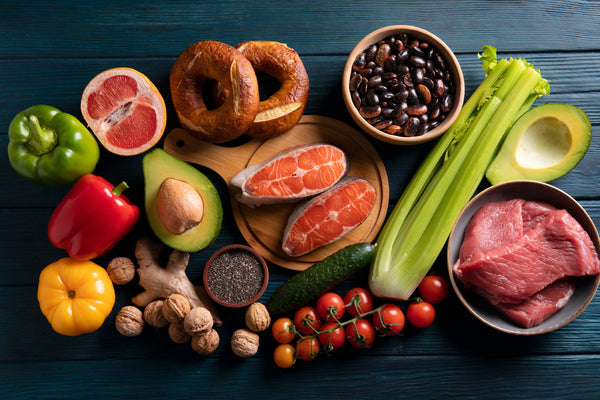
Food-Based Boosters
-
Beetroot improves oxygen utilization in the body, helping cells produce energy more efficiently.
-
Spinach is rich in magnesium, a mineral essential for ATP activation and cellular energy production.
-
Avocado provides healthy fats that protect mitochondrial membranes and support sustained energy release.
-
Fatty fish supply omega-3 fatty acids that preserve mitochondrial structure and reduce inflammation.
-
Green tea contains powerful polyphenols that enhance mitochondrial function and improve energy metabolism.
These are potent natural cellular energy boosters.
-
Lifestyle Habits
-
Intermittent fasting stimulates mitochondrial renewal and improves cellular efficiency.
-
Cold exposure increases mitochondrial density, allowing cells to generate more energy.
-
Strength training triggers higher ATP demand, training your cells to produce energy more effectively.
-
Sunlight exposure supports your circadian rhythm, improving hormone balance and daily energy levels.
This is truly how to improve cellular energy without pills. Your daily habits either charge your cells or drain them.
Final Thoughts
True energy doesn’t come from quick fixes or stimulants. It is built at the cellular level by nourishing your mitochondria and supporting ATP production. When you invest in the right nutrients and habits, you create sustainable vitality that lasts all day.
Healthy aging begins inside your cells. By strengthening mitochondrial function and boosting cellular energy, you protect your body against fatigue, slow metabolism, and premature decline. The more you support your inner power plants, the stronger and sharper you become over time.
FAQs
1. What are the best cellular energy boosters for fatigue?
The best cellular energy boosters for fatigue include CoQ10, NAD+ precursors, magnesium, B-complex vitamins, and PQQ. These nutrients support mitochondrial function and help improve ATP production at the cellular level, reducing chronic tiredness.
2. How can I boost cellular energy naturally?
You can boost cellular energy naturally by eating nutrient-rich foods like leafy greens, fatty fish, beetroot, and avocados, along with regular exercise and quality sleep. Lifestyle habits such as intermittent fasting and sunlight exposure also improve mitochondrial efficiency.
3. What are the symptoms of low cellular energy?
Low cellular energy symptoms include persistent fatigue, brain fog, poor focus, slow metabolism, muscle weakness, and low motivation. These signs often indicate reduced mitochondrial function and low ATP production.
4. Which supplements are best for cellular energy support?
The best supplements for cellular energy support include CoQ10, NAD+ boosters, L-carnitine, alpha lipoic acid, PQQ, B-complex vitamins, and magnesium. These nutrients improve energy production at the cellular level and support mitochondrial health.
5. Are cellular energy boosters helpful for metabolism?
Yes, cellular energy boosters for metabolism like L-carnitine and NAD+ precursors help improve fat oxidation and metabolic efficiency. They enhance how your cells convert food into usable energy, supporting healthy weight management.
6. How do mitochondrial support supplements improve energy?
Mitochondrial support supplements nourish the cell’s power plants, helping them produce ATP more efficiently. This leads to better stamina, improved focus, and sustained daily vitality without energy crashes.
7. Do cellular energy boosters support healthy aging?
Yes, cellular energy boosters for aging help slow mitochondrial decline, reduce oxidative stress, and support DNA repair. This promotes longevity, better muscle strength, and sharper cognitive function over time.

Recommended Products
 Multi + Omega for Her Slow
₹1,357 – ₹2,658
Multi + Omega for Her Slow
₹1,357 – ₹2,658
 Multi + Omega for Him Slow
₹1,357 – ₹2,658
Multi + Omega for Him Slow
₹1,357 – ₹2,658
 Multi + Omega 50+ Slow
₹1,357 – ₹2,658
Multi + Omega 50+ Slow
₹1,357 – ₹2,658
 Slow Advanced N-Acetyl-Cysteine + Glycine Capsules
₹1,357 – ₹2,658
Slow Advanced N-Acetyl-Cysteine + Glycine Capsules
₹1,357 – ₹2,658
 6x Strength Omega 3 Fish Oil
₹1,939 – ₹3,798
6x Strength Omega 3 Fish Oil
₹1,939 – ₹3,798
 4x Strength Omega 3 Fish Oil
₹1,274
4x Strength Omega 3 Fish Oil
₹1,274
 3x Strength Omega 3 Fish Oil
₹1,199
3x Strength Omega 3 Fish Oil
₹1,199
 Shilajit Gold
₹1,039 – ₹2,078
Shilajit Gold
₹1,039 – ₹2,078
 Shilajit Resin
₹879 – ₹1,758
Shilajit Resin
₹879 – ₹1,758
 Creatine Monohydrate + HCL | 100g | 300mg Taurine | Unflavoured
₹584 – ₹1,168
Creatine Monohydrate + HCL | 100g | 300mg Taurine | Unflavoured
₹584 – ₹1,168