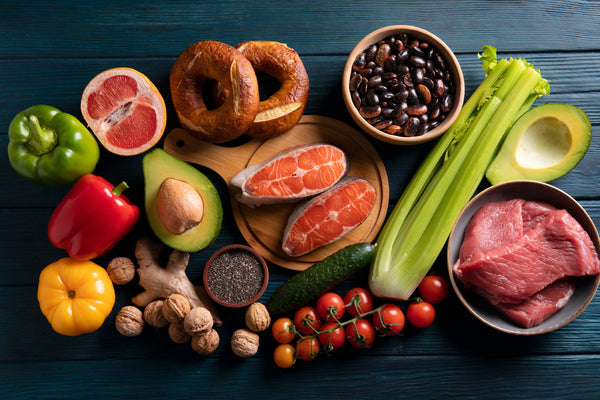
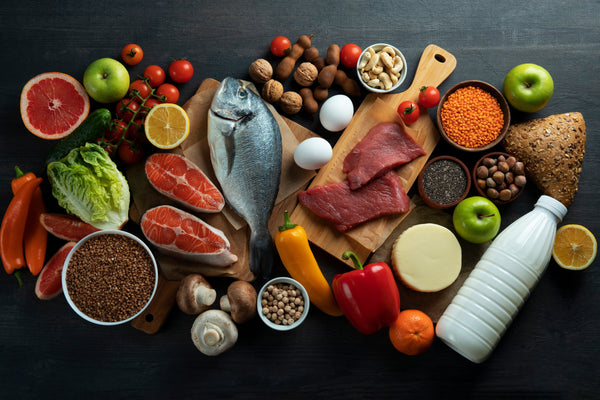
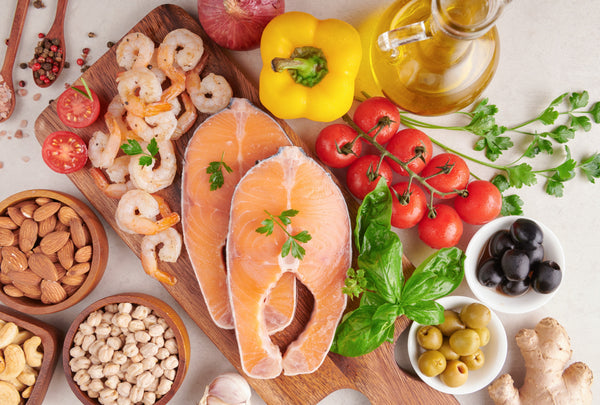
Longevity is not built on restriction. It is built on nourishment. At the center of that nourishment sits protein. Not just for muscle tone or fitness goals, but for cellular repair, immune intelligence, metabolic strength and healthy aging.
If you are serious about sustaining energy, protecting lean mass and supporting graceful aging, prioritizing high protein foods is non-negotiable. The focus, however, should remain diet first. Whole foods deliver not only protein but also phytonutrients, minerals, healthy fats and fiber that work in synergy. Supplements can support, but real food lays the foundation.
Let’s explore ten powerful protein sources that deserve a place in your daily longevity routine, along with how to optimize bioavailable protein, balance plant-based macros and leverage the natural satiety index of protein-rich meals.
Why Protein for Longevity

Protein provides amino acids, the structural units that rebuild tissue, regulate enzymes, synthesize hormones and maintain immune defenses. With age, muscle protein synthesis naturally declines, making adequate intake even more critical.
Equally important is the quality of protein. Bioavailable protein refers to how efficiently your body digests, absorbs and utilizes amino acids. Foods with complete amino acid profiles and high digestibility offer the greatest physiological benefit.
Protein also ranks high on the satiety index, meaning it promotes fullness more effectively than carbohydrates or fats. This supports appetite regulation, stable energy and metabolic health over time.
1. Eggs

Eggs remain a gold standard of bioavailable protein. With an amino acid profile closely aligned to human needs, they are highly digestible and efficient for muscle protein synthesis.
One large egg provides about 6 to 7 grams of protein, alongside choline for brain health and lutein for eye support. Whole eggs, rather than just egg whites, offer superior nutrient density.
2. Wild-Caught Salmon

Salmon delivers approximately 20 to 22 grams of protein per 100 grams. Beyond being one of the most nutrient-dense high protein foods, it provides omega 3 fatty acids that support cardiovascular and cognitive longevity.
The combination of protein and healthy fats enhances satiety and supports recovery after physical activity.
3. Greek Yogurt

Strained Greek yogurt contains nearly double the protein of regular yogurt. A standard serving offers 15 to 20 grams of protein, along with probiotics for gut health.
Its impressive satiety index makes it an ideal breakfast or mid-day anchor, stabilizing blood sugar while supporting muscle maintenance.
4. Lentils

For those prioritizing plant-based macros, lentils are exceptional. One cooked cup provides roughly 18 grams of protein, plus fiber, iron and polyphenols.
While plant proteins may not always match the amino acid density of animal proteins, combining lentils with whole grains can create a complete protein profile.
5. Quinoa

Quinoa is unique among plant foods because it contains all nine essential amino acids. This makes it a complete protein and a valuable addition to vegetarian or flexitarian diets.
It contributes around 8 grams of protein per cooked cup and supports balanced plant-based macros for metabolic resilience.
6. Tofu and Tempeh

Soy-based proteins such as tofu and tempeh provide 15 to 20 grams of protein per serving. They are among the most reliable plant sources of complete protein.
Tempeh, being fermented, may offer enhanced digestibility, improving bioavailable protein absorption compared to some other plant sources.
7. Grass-Fed Lean Beef

Lean beef supplies approximately 22 to 26 grams of protein per 100 grams, along with iron, zinc and vitamin B12.
As one of the most nutrient-dense high protein foods, it supports oxygen transport, immune resilience and energy metabolism. Choosing grass-fed varieties may offer a more favorable fatty acid profile.
8. Cottage Cheese

Cottage cheese is rich in casein protein, a slow-digesting protein that supports sustained amino acid release. This makes it particularly valuable before sleep for overnight muscle repair.
Its high satiety index also makes it an effective appetite-regulating snack.
9. Almonds

Almonds provide around 6 grams of protein per ounce, paired with healthy fats and vitamin E.
While not a complete protein alone, they support overall plant-based macros and contribute to balanced, protein-rich meals when paired with legumes or dairy.
10. Chia Seeds

Chia seeds offer approximately 4 grams of protein per ounce, along with fiber and omega 3 fatty acids.
Though modest in protein density, they enhance satiety and support digestive health, complementing other high protein foods in a balanced meal.
Optimizing Protein for Maximum Impact
1. Distribute Intake Across the Day
Research suggests spreading protein evenly across meals improves muscle protein synthesis. Aim for 20 to 30 grams per meal, depending on body weight and activity levels.
2. Combine Plant Proteins Strategically
To maximize bioavailable protein from vegetarian sources, pair legumes with grains or seeds. This improves amino acid completeness and enhances the quality of plant-based macros.
3. Leverage the Satiety Advantage
Because protein ranks high on the satiety index, structuring meals around protein first can naturally regulate hunger and reduce unnecessary snacking.
Where Supplements Fit In
A diet-first strategy should always lead. However, practical realities sometimes make it challenging to meet daily protein requirements through food alone. Travel, busy schedules, appetite fluctuations or higher athletic demands can create gaps.
This is where wellbeing nutrition protein powder can support consistency without compromising quality.
The Wellbeing Nutrition Protein Powder range includes both whey and vegan options designed with clean ingredients and high standards of purity.
-
Wellbeing Nutrition Whey Protein offers fast-absorbing, highly bioavailable protein, ideal for post-workout recovery and daily muscle support.
-
Wellbeing Nutrition Vegan Protein provides balanced plant-based macros through complementary plant protein blends, supporting those who prefer dairy-free nutrition.
Both formulations prioritize clean sourcing, minimal additives and transparency, making them a thoughtful addition when whole food intake falls short.
Protein, Aging and Metabolic Resilience
After the age of 40, muscle mass naturally declines if not actively supported. Adequate protein intake helps preserve lean mass, protect metabolic rate and maintain insulin sensitivity.
Choosing diverse high protein foods, prioritizing bioavailable protein and balancing plant-based macros can meaningfully influence long-term vitality.
A protein-conscious approach is not about excess. It is about adequacy, quality and consistency.
Final Thoughts
Longevity nutrition is rooted in intelligent simplicity. Start with real food. Build each meal around high protein foods that offer both density and digestibility.
Use protein strategically to support muscle, metabolism and satiety. Allow whole foods to lead and complement your routine with clean, thoughtfully formulated options like wellbeing nutrition protein powder to fill the nutritional gaps.
When protein is prioritized with intention, it becomes more than a macronutrient. It becomes a daily investment in strength, clarity and enduring health.
FAQs
1. What are the best high protein foods for daily health?
The best high protein foods include eggs, salmon, Greek yogurt, lentils, quinoa, tofu, lean beef and cottage cheese. These options provide essential amino acids, support muscle maintenance and rank high on the satiety index, helping you stay fuller for longer.
2. How much protein do I need daily for longevity?
Most adults benefit from 0.8 to 1.2 grams of protein per kilogram of body weight, with higher needs for active individuals or those above 40. Spreading high protein foods evenly across meals improves muscle protein synthesis and metabolic health.
3. What is bioavailable protein and why does it matter?
Bioavailable protein refers to how efficiently your body absorbs and utilizes amino acids. Foods like eggs, whey, fish and soy have high bioavailability, meaning your body can use them effectively for repair, recovery and cellular function.
4. Are plant proteins as effective as animal protein?
Plant proteins can be highly effective when strategically combined. Balancing plant-based macros such as lentils with grains or seeds ensures a more complete amino acid profile and improves overall protein quality.
5. Which protein sources have the highest satiety index?
Eggs, Greek yogurt, lean meats and whey protein rank high on the satiety index. Meals centered around these proteins promote fullness, reduce cravings and support stable blood sugar levels.
6. Can a high-protein diet support healthy aging?
Yes. Adequate intake of high protein foods helps preserve lean muscle mass, maintain metabolic rate and support immune function as we age. This becomes increasingly important after 40 due to natural muscle decline.
7. Is whey protein more effective than plant protein?
Whey protein typically offers higher bioavailable protein and rapid absorption, making it ideal for post-workout recovery. However, well-formulated vegan blends can also provide balanced plant-based macros when sourced carefully.
8. How can vegetarians increase protein intake naturally?
Vegetarians can prioritize lentils, quinoa, tofu, tempeh, Greek yogurt, nuts and seeds. Combining complementary proteins enhances amino acid completeness while maintaining balanced plant-based macros.
9. When should I consider using wellbeing nutrition protein powder?
If your dietary intake falls short due to busy schedules, increased training demands or appetite limitations, wellbeing nutrition protein powder can help bridge the gap. It supports daily protein targets without compromising ingredient quality.
10. What makes the Wellbeing Nutrition whey and vegan protein range unique?
The Wellbeing Nutrition protein range emphasizes clean ingredients, transparency and high-quality sourcing. Their whey option delivers fast-absorbing, highly bioavailable protein, while the vegan variant supports balanced plant-based macros for those seeking dairy-free nutrition.

Recommended Products
 Plant Protein 22g | 500g | 3B CFU Probiotics | Canadian Mixed Berry
₹1,529 – ₹3,058
Plant Protein 22g | 500g | 3B CFU Probiotics | Canadian Mixed Berry
₹1,529 – ₹3,058
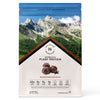 Plant Protein 22g | 500g | 3B CFU Probiotics | Belgian Dark Chocolate
₹1,529 – ₹3,058
Plant Protein 22g | 500g | 3B CFU Probiotics | Belgian Dark Chocolate
₹1,529 – ₹3,058
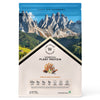 Plant Protein 22g | 500g | 3B CFU Probiotics | French Vanilla Caramel
₹1,529 – ₹3,058
Plant Protein 22g | 500g | 3B CFU Probiotics | French Vanilla Caramel
₹1,529 – ₹3,058
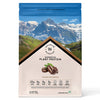 Plant Protein 22g | 500g | 3B CFU Probiotics | Italian Cafe Mocha
₹1,529 – ₹3,058
Plant Protein 22g | 500g | 3B CFU Probiotics | Italian Cafe Mocha
₹1,529 – ₹3,058
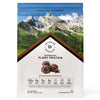 Plant Protein 22g | 907g | 3B CFU Probiotics | Belgian Dark Chocolate
₹2,889 – ₹5,778
Plant Protein 22g | 907g | 3B CFU Probiotics | Belgian Dark Chocolate
₹2,889 – ₹5,778
 Plant Protein 22g | 907g | 3B CFU Probiotics | French Vanilla Caramel
₹2,889 – ₹5,778
Plant Protein 22g | 907g | 3B CFU Probiotics | French Vanilla Caramel
₹2,889 – ₹5,778
 Whey Protein Concentrate 27g | 1kg | 4B CFU Probiotics | Unflavoured
₹4,749 – ₹9,498
Whey Protein Concentrate 27g | 1kg | 4B CFU Probiotics | Unflavoured
₹4,749 – ₹9,498
 Whey Protein Isolate + Concentrate 24g | 1kg | 4B CFU Probiotics | Mango Flavoured
₹6,174 – ₹12,348
Whey Protein Isolate + Concentrate 24g | 1kg | 4B CFU Probiotics | Mango Flavoured
₹6,174 – ₹12,348
 Whey Protein Isolate + Concentrate 24g | 1kg| 4B CFU Probiotics | Cappuccino
₹6,174 – ₹12,348
Whey Protein Isolate + Concentrate 24g | 1kg| 4B CFU Probiotics | Cappuccino
₹6,174 – ₹12,348