Scroll through any skincare trend today and one ingredient keeps showing up everywhere. Matcha.
From glowing skin routines to antioxidant drinks, matcha powder for skin has become one of the most searched beauty wellness trends globally. Dermatologists, nutritionists, and longevity experts are all talking about how matcha for skin health works from the inside out.
But here is the catch.
Not every matcha delivers the same skin benefits of matcha.
Many people add matcha to their routine expecting brighter skin, better collagen production, and antioxidant protection, yet the results are underwhelming. The reason is simple. Most people are drinking the wrong kind of matcha.
If you want to unlock the real matcha benefits for skin, you need to know how to choose the right powder and what actually makes matcha effective for skin glow, anti aging, and skin repair.
Let’s break it down.
Why Matcha Is So Powerful for Skin Health

Before learning how to pick the best matcha powder for skin, it helps to understand why matcha has become a skincare powerhouse in the first place.
Unlike regular green tea, matcha powder is made by grinding whole green tea leaves into a fine powder. This means you consume the entire leaf and its nutrients rather than just a diluted infusion.
That is exactly why matcha antioxidants for skin are significantly more potent.
Matcha is rich in EGCG (Epigallocatechin gallate), a powerful antioxidant known to protect skin from oxidative stress, premature aging, and environmental damage. In fact, studies show matcha contains up to three times more antioxidants than regular green tea.
These compounds support several skin functions:
• Neutralizing free radicals that accelerate skin aging
• Supporting collagen protection and elasticity
• Reducing inflammation linked to acne and dullness
• Supporting detoxification and cellular repair
This is why many people now use matcha for glowing skin, matcha for anti aging, and even matcha for acne prone skin.
But again, quality makes all the difference.
How to Pick the Best Matcha Powder for Skin
If you search for best matcha powder for skin, thousands of options appear. Yet only a small percentage meet the standards needed for real skin benefits.
Here are the key things experts recommend looking for.

1. Choose Ceremonial Grade Matcha
The first rule when choosing matcha powder for skin health is always selecting ceremonial grade matcha.
Ceremonial grade matcha is made from the youngest, most nutrient dense tea leaves harvested during the first flush. These leaves contain significantly higher levels of antioxidants, amino acids, and chlorophyll.
Compared to lower grades, ceremonial matcha provides:
• Higher EGCG levels
• Better amino acid profile
• Smoother taste with less bitterness
• More potent matcha antioxidant benefits for skin
If your goal is skin glow, collagen support, and anti aging protection, ceremonial grade matcha is essential.
2. Look for Bright Green Colour
The colour of matcha tells you a lot about its quality.
High quality matcha powder for skin should be vibrant, bright green. This indicates high chlorophyll content and fresh leaves.
Dull green or yellowish matcha usually means:
• Poor leaf quality
• Older harvests
• Reduced antioxidant levels
Since matcha antioxidants for skin repair are key to its beauty benefits, colour is one of the easiest indicators of potency.
3. Pay Attention to Origin
When searching for the best matcha powder for skin, origin matters.
Premium matcha traditionally comes from specific regions in Japan such as Uji, Nishio, and Kagoshima where climate, soil quality, and traditional cultivation methods produce the highest antioxidant density.
Authentic Japanese matcha tends to deliver stronger matcha skin benefits, better flavour, and superior nutrient density compared to mass produced versions.
4. Check the Texture
The texture of matcha powder affects both absorption and taste.
The best matcha powder for skin glow should feel silky smooth and extremely fine. This ensures it dissolves easily and allows your body to absorb its nutrients effectively.
Coarse matcha often indicates lower processing quality and poorer nutrient retention.
5. Avoid Added Sugar or Fillers
Many commercial matcha products contain added sugar, milk powders, or artificial flavours.
For genuine matcha benefits for skin health, look for pure matcha powder without fillers. Added sugar can trigger inflammation and glycation, which accelerate skin aging.
Clean matcha keeps the antioxidant profile intact and supports healthy collagen and skin repair.
The Hidden Limitation of Regular Matcha for Skin
Even when people choose high quality matcha, one challenge remains.
Matcha is incredibly rich in antioxidants, but antioxidants alone cannot rebuild collagen.
They protect skin cells from damage, but they do not directly supply the building blocks needed to restore collagen structure and elasticity.
That is where modern nutritional science is beginning to upgrade traditional matcha.
Upgrading Matcha for Skin: The Rise of Matcha Collagen
A new evolution in skin nutrition combines matcha’s antioxidant power with direct collagen support.
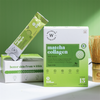
One example is Wellbieng Nutrition Matcha Collagen, a formulation that brings together ceremonial grade matcha and hydrolyzed marine collagen peptides to support skin health more comprehensively.
Instead of relying on antioxidants alone, this combination supports both collagen protection and collagen replenishment.

The formula blends 1.8 g ceremonial grade matcha with 8 g hydrolyzed marine collagen peptides, delivering peptides under 1000 Daltons for significantly improved absorption.
This pairing works synergistically in several ways.
Matcha contributes powerful antioxidants like EGCG that help protect skin from oxidative stress, a key driver of wrinkles, pigmentation, and collagen breakdown.
Collagen peptides, meanwhile, provide the amino acids needed for skin elasticity, texture repair, and dermal regeneration.
The addition of acerola cherry and vitamin C further supports natural collagen synthesis, while L-theanine, a clinically studied amino acid found in green tea leaves, helps reduce oxidative stress and promote calm, sustained energy.

The result is a drink that supports:
• Skin radiance and improved texture
• Stronger hair and nails
• Collagen support and elasticity
• Antioxidant protection against aging
• Clean, sustained energy without jitters
Rather than replacing traditional matcha, this approach simply enhances what matcha already does well.
How to Use Matcha for Better Skin

Once you choose the best matcha powder for skin, consistency becomes key.
Experts often recommend starting the day with matcha because it supports both metabolism and cellular antioxidant defense.
A simple matcha skincare ritual might include:
Morning matcha drink to support antioxidant protection
Balanced meals rich in healthy fats and protein
Hydration to support skin detoxification
Consistent collagen supporting nutrients
When these elements work together, matcha benefits for glowing skin become more visible over time.
Final Thoughts
The rising popularity of matcha powder for skin is not just another wellness trend. Its antioxidant profile, amino acids, and metabolic support make it one of the most promising beauty nutrition ingredients available today.
But the key lies in choosing the right matcha.
Selecting ceremonial grade matcha, checking for purity, colour, and origin ensures you receive the full matcha skin benefits that research continues to highlight.
And as nutritional science evolves, combining matcha with targeted nutrients like collagen peptides may represent the next step in inside out skincare.
Because truly radiant skin rarely comes from skincare alone. It starts with what you nourish your body with every day.
FAQs
1. Is matcha powder good for skin?
Yes. Matcha powder for skin is rich in antioxidants like EGCG that help fight oxidative stress, reduce inflammation, and protect collagen. Regular consumption of matcha may support brighter, healthier looking skin.
2. What are the benefits of matcha for skin?
The key matcha benefits for skin include antioxidant protection, reduced inflammation, support for collagen health, improved skin texture, and protection from environmental damage that accelerates aging.
3. Which is the best matcha powder for skin health?
The best matcha powder for skin is ceremonial grade matcha sourced from Japan. It contains higher levels of antioxidants, chlorophyll, and amino acids compared to culinary grade matcha.
4. Does matcha help with glowing skin?
Yes. Many people drink matcha for glowing skin because its antioxidants help reduce oxidative stress, support detoxification, and improve overall skin clarity over time.
5. How does matcha improve skin health?
Matcha improves skin health through its high concentration of antioxidants, particularly EGCG, which helps protect skin cells from free radical damage and supports collagen preservation.
6. Is matcha better than green tea for skin?
Yes. Matcha vs green tea for skin shows matcha is more potent because the whole tea leaf is consumed. This provides significantly higher levels of antioxidants and nutrients that support skin health.
7. Can matcha help slow signs of aging?
Yes. The powerful antioxidants in matcha for anti aging help protect collagen and elastin from oxidative stress, which may slow the appearance of wrinkles and loss of skin elasticity.
8. Does matcha boost collagen production?
Matcha helps protect existing collagen through antioxidant activity. When combined with collagen supporting nutrients like vitamin C or collagen peptides, it may further support skin elasticity and collagen health.
9. What is matcha collagen and how does it help skin?
Matcha collagen combines ceremonial grade matcha with hydrolyzed collagen peptides to support both antioxidant protection and collagen replenishment. This approach supports skin radiance, elasticity, and texture from within.
10. Can matcha help with acne and skin inflammation?
Yes. The anti inflammatory properties of matcha for acne prone skin may help calm redness and support a healthier skin environment when consumed regularly as part of a balanced diet.
11. When should you drink matcha for skin benefits?
Most experts recommend drinking matcha for skin health in the morning. Its antioxidants support daily cellular protection while providing sustained energy and focus.
12. How much matcha should you drink daily for skin benefits?
Typically 1–2 servings of matcha per day is considered effective for antioxidant support. This provides a consistent intake of polyphenols that support skin protection and overall wellness.
13. Does matcha give natural energy without jitters?
Yes. Matcha contains caffeine balanced with L-Theanine, an amino acid that supports calm focus. This combination delivers sustained energy without the jittery feeling often associated with coffee.
14. How long does matcha take to improve skin?
Skin improvements from matcha for skin health typically appear gradually over several weeks as antioxidants help reduce oxidative stress and support cellular repair.