If you’ve been working to elevate your performance at the gym or push past stubborn plateaus in strength and muscle growth, chances are creatine has either found a place in your supplement stack or at the very least, caught your attention.
But here’s a question that quote common among gym goers, athletes, and even fitness newcomers alike: When is the right time to take creatine before or after a workout?
Whether you’re just beginning your fitness journey or have years of experience behind you, understanding how timing plays into creatine’s benefits can help you unlock its full muscle boosting potential. In this guide, we break it all down science backed and simplified for real life.
What Is Creatine, and Why Does It Matter?
Creatine is a naturally occurring compound found in your muscle cells. It plays a central role in producing ATP (adenosine triphosphate) your body’s main energy currency during quick, explosive efforts like sprinting, weightlifting, or HIIT.
While your body produces some creatine on its own, and small amounts come from foods like red meat and fish, supplementing with creatine monohydrate can significantly elevate your muscle stores. That means better energy, improved recovery, and more efficient muscle growth over time.
It’s no wonder that creatine remains a staple for athletes, fitness professionals, and gym regulars alike who are committed to training harder, bouncing back faster, and building real strength.
The Case for Pre Workout Creatine
A number of people prefer taking creatine before their workouts, believing it gives them an edge during their training sessions. And there’s some compelling science to back that up.
Enhanced Performance, Rep After Rep
Creatine boosts the availability of ATP, helping you power through high intensity, short duration exercises like heavy squats or sprints. Taking it before training may help you squeeze out a few more quality reps. (NIH)
One study showed ATP levels fall after about 10 seconds of intense activity but creatine supplementation can increase total creatine stores by 10 30% and phosphocreatine stores by up to 40% (NIH)
Stronger Mind to Muscle Connection
For many, taking creatine is part of their pre workout ritual. This simple act helps signal your body and your brain that it’s go time.
Studies even suggest oral creatine may enhance short term memory and reasoning in healthy individuals (NIH)
Support Against Fatigue
A Study report experiencing less fatigue during high volume workouts when they’ve taken creatine in advance. This could help you train longer and more effectively. (NIH)
Stacks Well with Other Pre Workout Ingredients
Creatine mixes well literally and figuratively with other popular pre workout ingredients like caffeine, beta alanine, and citrulline malate. So, if you’re already sipping a pre workout blend, adding creatine is seamless.
The Case for Post Workout Creatine
Interestingly, newer research suggests that taking creatine after a workout may also offer great benefits especially when it comes to muscle recovery and growth.
Better Absorption
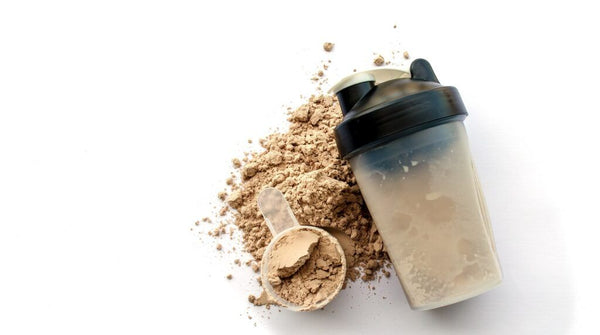
Post workout, your body’s insulin sensitivity spikes, making it easier for nutrients to enter muscle cells. Pair creatine with a protein shake or a carb-based meal to encourage better uptake.
Faster Recovery
Post workout is when your body begins repairing muscle fiber damaged during training. Creatine can help speed up ATP restoration and reduce muscle cell damage, leading to quicker recovery. (NIH)
More Lean Muscle Gains
Several studies suggest that post workout creatine intake may lead to slightly greater gains in muscle mass and strength compared to pre workout use. (NIH)
One 2022 study showed creatine helped build muscle effectively in healthy young adults (NIH)
Another 2019 study showed creatine can improve muscle mass and strength in older adults, even without resistance training. (NIH)
Why Not Take It Both Before and After?
Some experienced gym goers opt for a split dose approach: half before, half after training. This method ensures creatine is available when you need it most both during performance and recovery.
It’s not absolutely essential, but for those who like to fine-tune their wellness routine, it’s a smart and thoughtful way to fill in the gaps.
Ultimately, the most important thing isn’t when you take it but that you take it consistently. Creatine works best when your muscles stay saturated.
The Role of Loading and Maintenance
There’s a concept called “loading,” where you take around 20g of creatine daily (split into 4 doses) for 5 7 days to saturate muscles quickly. After that, you shift to a maintenance dose of 3 5g/day.
If you’re in no rush, you can skip the loading phase and simply stick to a steady 3 5g daily. The end result is the same just at a slower pace.
What About Rest Days?
Yes, you should absolutely take creatine on rest days.
Why? Because muscle saturation is key. If you skip your dose, you risk lowering those creatine levels and stalling your progress.
On rest days, simply take your dose with a balanced meal that includes carbs and protein to aid absorption. Keep the routine going even on off days.
Choosing Clean, Effective Creatine
If you’re ready to make creatine part of your daily routine, opt for a formula that’s clean, pure, and designed for optimal absorption like Wellbeing Nutrition’s Creatine Monohydrate or Creatine Monohydrate + HCL. With added taurine for enhanced mental focus and cognitive support, it’s formulated to help you train harder, recover smarter, and build lean muscle without compromise.
Final Thoughts
Creatine stands out as one of the most researched and effective supplements for improving strength, performance, and muscle development.
While the timing before vs. after can offer slight differences, consistency is what truly drives results. Whether you prefer mixing it into your pre workout or shaking it up post gym, what matters most is making it a regular part of your wellness routine.
So don’t overthink it. Take your dose, fuel your body well, and keep showing up. With time, patience, and smart training, the results will come.