Creatine is one of the most researched and popular supplements in the fitness world, but it's also surrounded by confusion and misconceptions. If you've ever wondered, can I take creatine without workout sessions? You're not the only one. Many people believe creatine is exclusively for hardcore gym-goers, but the reality is far more nuanced.
Let's start with the basics
Creatine is a naturally occurring compound found in small amounts in certain foods like red meat and fish, and it's also produced by your body in the liver, kidneys, and pancreas. About 95% of your body's creatine is stored in your muscles, where it plays a crucial role in energy production. (NIH) Specifically, creatine helps regenerate ATP (adenosine triphosphate), which is essentially your body's energy currency. When you need quick bursts of energy, your muscles rely on this creatine-phosphate system to keep you going.
Your body uses creatine for energy production regardless of whether you're lifting weights or simply going about your daily activities. (NIH) This raises an important question that many people ask: is taking creatine without workout routines actually beneficial? The answer might surprise you.
Separating Facts from Fiction: Common Creatine Myths Debunked
Myth 1: Creatine Causes Kidney Damage
This is perhaps the most persistent myth about creatine, and it's largely unfounded. The confusion often stems from the fact that creatine supplementation can cause temporary increases in blood or urinary creatine and creatinine levels. However, these transient increases are unlikely to reflect a decrease in kidney function.
A comprehensive review of studies found that consuming recommended doses of creatine supplements appears to have no adverse effects on kidney or renal function. (NIH) The key here is "recommended doses", like with any supplement, moderation is important. If you have existing kidney issues, it's always wise to consult with a healthcare provider, but for healthy individuals, creatine doesn't pose kidney risks.
Myth 2: Creatine Leads to Water Retention
Many people worry that creatine will make them look bloated or puffy, but this concern is largely exaggerated. While creatine does help your muscles retain water, this is actually beneficial for muscle function and isn't the same as subcutaneous water retention that causes bloating.
Research involving non-resistance-trained males who took creatine for six weeks showed no significant changes in total body water (TBW). The study used a loading dose of 0.3 g/kg lean body mass for five days, followed by a maintenance dose of 0.075 g/kg lean body mass for 42 days. (NIH) This suggests that even people who aren't actively training don't experience problematic water retention from creatine supplementation.
Myth 3: Creatine is a Steroid
This misconception couldn't be further from the truth. Creatine is not a steroid, hormone, or any kind of artificial performance enhancer. It's a naturally occurring compound that your body already produces and uses every day.
What creatine does is increase your body's capacity to produce ATP energy during high-intensity activities. (NIH) This can potentially increase muscle power, repetitions, and exercise volume, which may contribute to better muscle performance and growth over time when combined with training. (NIH) However, this energy-boosting effect doesn't make it a steroid – it's simply helping your body's natural energy systems work more efficiently.
Myth 4: Creatine is Only Useful for Resistance Training
While creatine is indeed popular among weightlifters and power athletes, its benefits extend far beyond the gym. Research shows that creatine supplementation during recovery from exercise-induced muscle damage can promote less muscle enzyme efflux and better maintenance of muscle performance. (NIH)
But here's the kicker: even if you're wondering can I take creatine without workout sessions, there are still potential benefits. Creatine supports your body's energy systems during any activity that requires quick bursts of energy – whether that's climbing stairs, playing with your kids, or even cognitive tasks that demand mental energy.
Myth 5: Creatine Leads to Dehydration and Muscle Cramping
This myth is not only false but actually contradicts research findings. A study comparing creatine users to non-users found that creatine users had significantly less cramping, heat illnesses, dehydration, muscle tightness, muscle strains, and total injuries compared to non-users. (NIH)
This makes sense when you understand that creatine helps maintain cellular hydration and supports proper muscle function. Rather than causing dehydration, creatine may actually help protect against it when used appropriately with adequate fluid intake.
Myth 6: Creatine Isn't Beneficial for Older Adults
This myth is particularly harmful because older adults can actually benefit significantly from creatine supplementation. Research shows that creatine can increase functionality, strength, activities of daily living, delay fatigue, and help maintain muscle mass in older adults. (NIH)
Additionally, emerging research suggests that creatine may support cognitive function in older adults. (NIH) Since our natural creatine production tends to decline with age, supplementation becomes even more relevant for this population, regardless of their exercise habits.
The Reality of Taking Creatine Without Working Out
So, can you take creatine without workout routines and still benefit? The evidence says, yes. While creatine's effects are certainly amplified when combined with resistance training, your body uses creatine for energy production in countless daily activities.
Even sedentary individuals may experience benefits like improved cognitive function, better energy levels for daily tasks, and enhanced recovery from any physical activity they do engage in. The key is understanding that creatine supports your body's fundamental energy systems, not just your gym performance.
Choosing the Right Creatine Supplement
When it comes to creatine supplementation, quality matters. Choosing the right formulation and high quality and clean ingredient-based products can make a great difference.
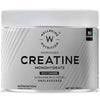
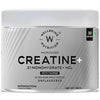
Wellbeing Nutrition is one such brand that ensures high quality supplements that fit seamlessly into your routine. We offer two high-quality creatine formulations to suit different needs and preferences. Our first option is pure creatine monohydrate, the most researched form of creatine that has been proven safe and effective in countless studies. For those seeking enhanced solubility and potentially better absorption, we also offer a creatine monohydrate + HCL formulation.
The HCL (hydrochloride) form is designed to dissolve more easily in water and may cause less digestive discomfort for some users, while still providing all the benefits of traditional creatine monohydrate. Both formulations are designed to support your body's natural energy systems, whether you're an athlete or someone looking to optimize their daily energy levels.
We focus on transparency and quality, ensuring that both our creatine supplements meet the highest standards for purity and effectiveness. This attention to quality is crucial when selecting any supplement, but especially important for something you'll be taking consistently.
Conclusion
The answer to the question of whether you should take creatine without workout sessions isn't black and white. While creatine certainly shines when combined with resistance training, it's not exclusively a gym supplement. Your body uses creatine every day for energy production, cognitive function, and cellular processes.
The myths surrounding creatine often stem from misunderstanding or outdated information. The reality is that creatine is one of the safest, most researched supplements available, with benefits that extend beyond just muscle building. Whether you're an athlete or someone simply looking to support your body's natural energy systems, creatine can be a valuable addition to your wellness routine.
Remember, the decision to supplement should always be made based on your individual needs and goals. If you're considering creatine supplementation, focus on quality products from reputable brands and consider consulting with a healthcare provider if you have any concerns.