





Creatine is often boxed into the “bodybuilding supplement” category, but the truth is far more compelling. This naturally occurring compound has proven benefits that extend far beyond muscle growth. It plays a central role in physical performance, energy metabolism, and even cognitive resilience.
Whether you're training hard, balancing work and workouts, or simply trying to preserve lean muscle with age, creatine can support your goals. It’s time we stopped treating creatine as optional and started understanding how to use it correctly.
What Is Creatine and How Does It Work?
Creatine is a naturally occurring compound stored primarily in your muscles and brain. It helps regenerate ATP, your body's main energy molecule, especially during short bursts of activity like lifting, sprinting, or climbing stairs.
When supplemented consistently, creatine enhances muscular endurance, strength, and post-workout recovery. It has also been shown to support mental clarity and memory, especially in times of fatigue. In fact, a comprehensive review concluded that creatine supplementation significantly improves both physical and cognitive performance under stress and sleep deprivation (JISSN).
Choosing the Right Form: Monohydrate vs HCL
The two most popular forms of creatine are monohydrate and hydrochloride (HCL). Both have their place, and your choice should depend on personal preference and digestive comfort.
Creatine Monohydrate is the most extensively studied and widely recommended form. It’s cost-effective, proven to increase muscle creatine stores, and delivers results over time.
Creatine HCL is a more soluble form that some people find easier to digest. Because of its higher absorption, it can be taken in smaller doses, making it an excellent option for those with sensitive stomachs or on-the-go routines.
Some formulations also combine creatine monohydrate, HCL, and taurine to deliver a triple-action boost that supports hydration, power output, and quicker recovery. This combo is especially helpful for athletes with intense training schedules or beginners seeking better energy support.
A comparative study published confirmed both forms are effective, though monohydrate remains the gold standard due to the breadth of long-term research (NIH).
Who Benefits Most from Creatine?
-
Athletes and Strength Trainers: Creatine helps increase muscle mass, boost workout performance, and accelerate recovery.
-
Vegetarians and Vegans: Since most creatine comes from animal sources, plant-based individuals tend to have lower natural stores and benefit significantly from supplementation.
-
Adults Over 40: Muscle mass and brain volume decline with age. Creatine helps preserve lean tissue and supports working memory and brain energy metabolism.
-
Women in Peri-menopause or Post-menopause: Supplementing with creatine can support strength training efforts, improve fatigue levels, and counteract muscle loss, according to emerging research.
Each of these groups may experience different types of benefits, but the common thread is improved cellular energy, strength, and recovery when used consistently.
How to Use Creatine Effectively
1. Loading vs No-Loading
There are two main ways to begin creatine supplementation:
-
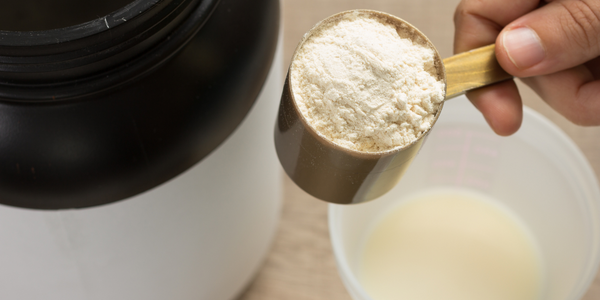
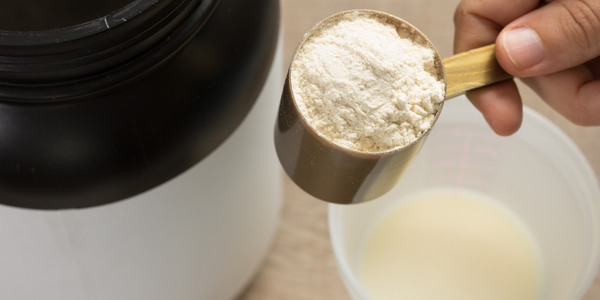
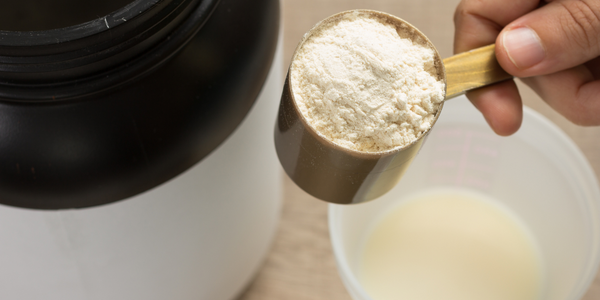
Loading Phase: Take 20 grams per day, divided into 4 servings, for 5 to 7 days. Then shift to 3 to 5 grams daily as maintenance. This method saturates your muscles quickly and may help you feel results sooner.
-
No-Loading Approach: Start directly with 3 to 5 grams daily. This is gentler on the stomach and leads to the same results over a slightly longer period.
Both methods are valid. Choose the one that best suits your lifestyle and goals.
2. Timing: Pre vs Post-Workout
Creatine can be taken any time of day, based on a study, taking creatine immediately after a workout appears to be more effective than taking it before, especially when it comes to improving muscle growth and strength gains (JISSN). On rest days, consistency is more important than timing, so just take it with your biggest meal.
3. Mixing and Absorption Tips
-
Mix your creatine with warm water or a naturally sweet drink like fruit juice.
-
Always stay hydrated, as creatine increases water retention in muscle cells.
-
Pair with protein or a complex carb to improve absorption.
-
Avoid pairing with dehydrating stimulants around the same time.
Smart Stacking: What Works Well With Creatine
To get the most from your creatine supplement, consider stacking it with other functional nutrients that work synergistically.
|
Supplement |
Primary Benefit |
Best Suited For |
How / When to Take |
|
Energy, hydration, endurance |
Pre-workout or morning energy seekers |
Early morning or 30 minutes before exercise |
|
|
Muscle recovery and lean mass support |
Strength and resistance training enthusiasts |
Within 30 minutes post-workout |
|
|
Fat metabolism, energy conversion |
Endurance and cardio-focused individuals |
With breakfast or before cardio |
|
|
Stress resilience, hormonal balance |
High-stress individuals or over-trainers |
Evening or post-workout |
|
|
Muscle relaxation, sleep, and recovery |
Nighttime recovery and performance balance |
Take 1–2 hours before bed |
|
|
Inflammation control, joint and brain support |
Everyone, especially those on high-protein diets |
With a meal that includes healthy fats |
All of the above can be found in premium formats that emphasize bioavailability and clean formulation. If you’re combining creatine with any of these, make sure to monitor your hydration and stick to consistent dosing.
Final Takeaway
Creatine is not just for gym-goers or athletes. It is a foundational tool for anyone looking to support energy, strength, and brain performance. When used consistently and thoughtfully, it delivers benefits that extend into everyday life, from better workouts and recovery to enhanced mental clarity.
Choose the right form for your needs, stay well hydrated, and pair it with other nutrients that enhance its effects. With the right strategy, creatine can be a daily essential in your wellness toolkit.









 DOWNLOAD NOW

