





Walk into any gym, and chances are you’ll hear someone talking about creatine. It’s one of the most popular supplements on the market, often linked to increased muscle mass, better performance, and faster recovery. But beyond its reputation in the fitness world, many people still wonder: Is creatine actually good for overall health?
The short answer is yes, but with a few important details. This blog takes you through the science behind creatine, its benefits, safety, and how it can fit into your daily routine, whether you're an athlete or simply looking to support your energy and wellness levels.
What Is Creatine?
Creatine is a naturally occurring compound in your body, made from the amino acids' arginine, glycine, and methionine. Most of it is stored in your muscles, where it plays a critical role in producing energy, especially during short bursts of high-intensity activity.(NIH)
Here’s how it works: your muscles use ATP (adenosine triphosphate) for energy. But ATP runs out quickly. That’s where creatine steps in. It helps regenerate ATP rapidly, giving your muscles the energy they need to keep going.
While your body makes creatine on its own and you can get small amounts from foods like red meat and fish, supplementing with creatine can significantly boost your body’s creatine stores, especially useful if you’re active or follow a plant-based diet.
How Creatine Helps
Increases Strength and Power
Creatine is best known for helping improve performance during strength training, sprinting, or any form of high-intensity exercise. Studies consistently show that it increases strength and power output, helping people push harder and get more out of their workouts. (NIH)
Supports Muscle Growth and Recovery
Creatine increases phosphocreatine stores in muscles, which helps regenerate ATP during high-intensity activity. This allows for improved performance and shorter recovery time between sets. It also promotes cell hydration and muscle protein synthesis, contributing to muscle growth and reduced post-exercise soreness over time. (NIH)
Reduces Fatigue
Creatine helps maintain energy production in cells by supporting ATP regeneration, which can delay the onset of both physical and mental fatigue. This is particularly useful during repeated or prolonged activity, where energy demand is high. It may also support better energy levels during periods of stress or low sleep. (NIH)
Improve Brain Function
Your brain, just like your muscles, needs ATP for optimal performance, and that’s where creatine comes in. Research shows that creatine may help improve cognitive function, including memory, focus, and mental clarity. These effects are especially noticeable during mentally demanding tasks, stress, or sleep deprivation. (NIH)
Supports Metabolism and Body Composition
By increasing lean muscle mass, creatine indirectly supports metabolism. More muscle means your body burns more calories at rest, which can help with long-term fat management. This makes creatine a helpful ally not just for athletes, but for anyone looking to improve their body composition. (NIH)
Is Creatine Safe?
Creatine is considered safe for healthy individuals when taken in the recommended dosage. It is one of the most well-researched supplements and has not shown adverse effects in long-term studies. Creatine monohydrate is widely studied and well-tolerated. However, individuals with existing kidney or liver conditions should consult a healthcare professional before using them.
In some cases, mild side effects like bloating or digestive discomfort may occur, especially during the initial days of use. These are usually temporary and can be managed by staying well-hydrated and using a consistent daily dose.
Choosing the Right Form of Creatine
Not all creatine supplements are the same. The most common and research-backed form is creatine monohydrate. But there's also creatine hydrochloride (HCl), which dissolves better in water and may be easier on the stomach.
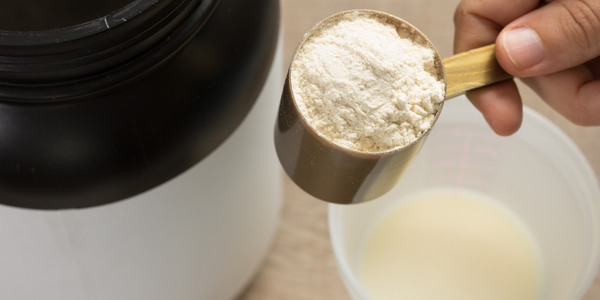
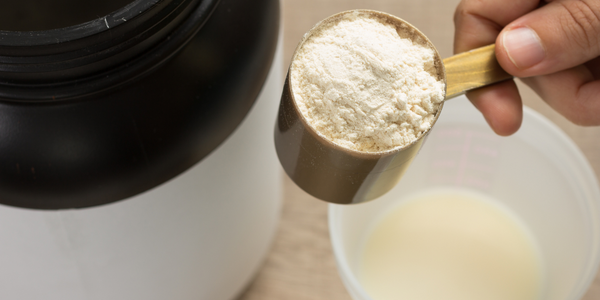
A great option is Wellbeing Nutrition’s Creatine Monohydrate + HCl. This unflavored powder gives you the benefits of both forms, traditional monohydrate for proven performance support and HCl for improved absorption and reduced bloating. It also includes taurine, which can further support hydration and recovery.
This combination makes it a smart choice for people who want results without the digestive side effects that can come with other creatine products.
How to Use Creatine Effectively
The Recommended Dosage
-
Daily maintenance: 3 to 5 grams per day.
-
Loading phase (optional): Some people choose to take around 20 grams per day for 5–7 days to saturate muscle stores faster, then drop to a maintenance dose.
Best Time to Take It
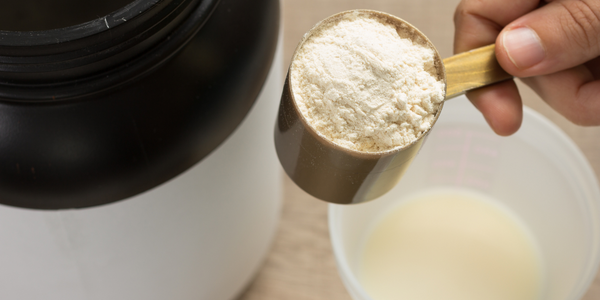
There’s no single perfect time to take creatine. Some prefer it post-workout, others with meals. What really matters is consistency, taking it daily and staying well-hydrated to support your kidneys and overall energy balance.
Final Thoughts
If you’re looking for a supplement that’s safe, effective, and backed by science, creatine absolutely deserves your attention.
Whether you’re lifting heavy at the gym, training for a sport, managing long workdays, or just aiming to support healthy muscle and brain function, creatine can make a noticeable difference. And with options like Wellbeing Nutrition’s Creatine Monohydrate, you get the benefits without the bloating or digestive issues that sometimes come with other creatine powders.
It’s simple to use, easy to integrate into your daily routine, and offers a wide range of benefits that go well beyond performance.
Creatine isn’t just for bodybuilders. It’s for anyone who wants to feel stronger, more energized, and better supported, from the gym to everyday life.

Recommended Products
 Creatine Monohydrate + HCL | 100g | 300mg Taurine | Unflavoured
₹552 – ₹1,038
Creatine Monohydrate + HCL | 100g | 300mg Taurine | Unflavoured
₹552 – ₹1,038
 Creatine Monohydrate | 100g | 300mg Taurine | Unflavoured
₹384 – ₹769
Creatine Monohydrate | 100g | 300mg Taurine | Unflavoured
₹384 – ₹769
 Whey Protein Concentrate Unflavored & Creatine Monohydrate Unflavored
₹3,193
Whey Protein Concentrate Unflavored & Creatine Monohydrate Unflavored
₹3,193
 Whey Protein Isolate + Concentrate 24g | 1KG | 4B CFU Probiotics | Cappuccino & Creatine Monohydrate Unflavored
₹4,093
Whey Protein Isolate + Concentrate 24g | 1KG | 4B CFU Probiotics | Cappuccino & Creatine Monohydrate Unflavored
₹4,093
 Whey Protein Isolate + Concentrate 24g | 1KG | 4B CFU Probiotics | Swiss Chocolate & Creatine Monohydrate Unflavored
₹4,093
Whey Protein Isolate + Concentrate 24g | 1KG | 4B CFU Probiotics | Swiss Chocolate & Creatine Monohydrate Unflavored
₹4,093
 Whey Protein Isolate Dark Chocolate & Creatine Monohydrate Unflavored
₹4,543
Whey Protein Isolate Dark Chocolate & Creatine Monohydrate Unflavored
₹4,543
 Whey Protein Isolate Unflavored & Creatine Monohydrate Unflavored
₹4,543
Whey Protein Isolate Unflavored & Creatine Monohydrate Unflavored
₹4,543








 DOWNLOAD NOW

