





With growing awareness around fitness, it's no surprise that more teens today are showing interest in muscle gain, strength training, and sports performance. Along with that curiosity often comes a big question: Should individuals under 18 be taking supplements?
Creatine is widely used in the fitness world, especially by adults looking to improve power, strength, and recovery. But is it appropriate or even necessary for adolescents? Here's what parents and teens need to know.
What is Creatine?
Creatine is a naturally occurring compound found in the muscles and brain. It helps regenerate adenosine triphosphate (ATP), the body’s primary source of energy during high-intensity, short-duration activities like sprinting or weightlifting.
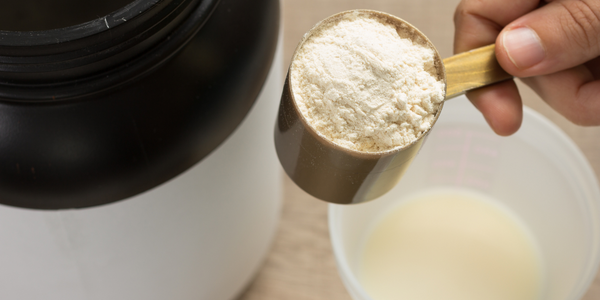
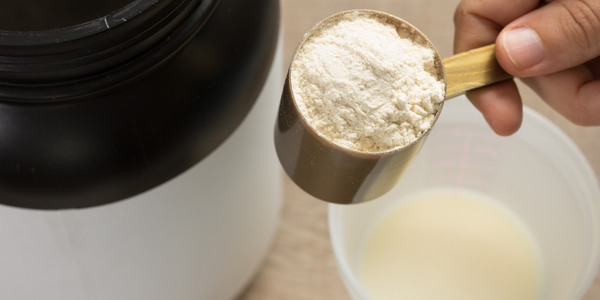
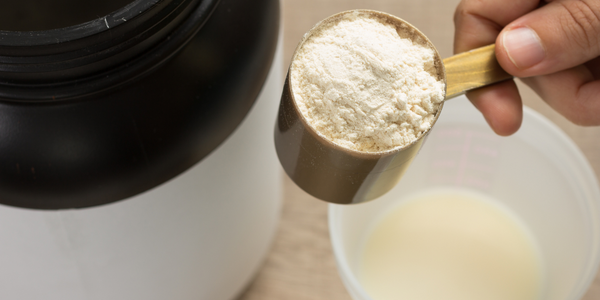
While creatine is produced in the body (from amino acids like glycine, arginine, and methionine), it's also available in small amounts through foods like red meat and fish. For adults, supplementing with creatine monohydrate has been shown to enhance muscle mass, strength, and exercise performance (NIH).
Is Creatine Safe for Teens?
While creatine is one of the most researched supplements for adults, the evidence in adolescents is limited and inconclusive. Some small studies suggest it may be safe under supervised conditions for certain teen athletes, but larger, long-term studies are lacking (NIH).
Most health professionals including pediatricians and sports nutritionists do not recommend creatine for individuals under 18 due to insufficient safety data in this age group (NIH).
Why Teens Don’t Need Creatine Supplements
Teenagers are already in a naturally anabolic (muscle-building) state, supported by hormones like testosterone, growth hormone, and insulin. In other words, their bodies are primed for muscle development without needing external supplementation.
Teens are in a natural phase of growth where their bodies are already producing what they need to support muscle development and energy. Adding supplements like creatine at this stage often offers little additional benefit. Instead, building strong foundations through proper nutrition, regular exercise, and adequate rest is far more effective and safer for long-term health and performance.
Instead of relying on a supplement, teens will benefit more from a nutrient-dense diet, quality sleep, and consistent training.
Focus on Protein-Rich Foods for Muscle Growth
For teens focused on muscle gain or athletic performance, diet is the safest and most effective tool. Encouraging a variety of protein-rich, plant-based foods not only supports muscle recovery and growth but also improves gut health, hormonal balance, and long-term wellness.
Here are some excellent options:
-
Legumes – lentils, chickpeas, black beans
-
Soy-based proteins – tofu, tempeh, edamame
-
Whole grains – quinoa, oats, buckwheat
-
Nuts & seeds – almonds, hemp seeds, sunflower seeds
-
Plant-based protein powders – when needed, under expert supervision
Pairing these with complex carbs (like brown rice, sweet potatoes) and healthy fats (like avocados or flaxseed) ensures that the body has enough fuel and building blocks for recovery and muscle repair.
Training, Recovery, and Sleep Matter More
It’s not just about what teens eat - how they train, rest, and recover plays a huge role in how their bodies respond and grow. At this age, laying the groundwork for healthy habits is more important than relying on quick fixes.
-
Follow a structured, progressive training plan, ideally with guidance from a certified coach or physical educator, to ensure proper form and gradual improvement.
-
Hydrate consistently throughout the day, not just around workouts, this supports muscle function, recovery, and mental clarity.
-
Prioritize 8 to 9 hours of sleep every night to support hormone balance, brain function, and muscle repair. Growth and recovery happen during rest, not just in the gym.
-
Listen to your body - rest days are just as important as training days. Overtraining can increase the risk of fatigue, injury, and even mental burnout.
-
Fuel your workouts with real, whole foods instead of relying on energy drinks or pre-workouts. Balanced meals go a long way in boosting endurance and performance.
Mastering these basics early not only improves results now but also sets teens up for a lifetime of strong, healthy habits - something no supplement can replace.
Conclusion: Food First, Always
While creatine is widely used by adults, it is not recommended for teens under 18 due to limited safety data and the natural advantages of a growing body. Instead, parents and teens should focus on:
-
Eating a well-balanced, protein-rich diet
-
Training consistently and safely
-
Prioritizing rest, hydration, and recovery
Before considering any supplement during adolescence, it's always best to consult a qualified healthcare or nutrition expert.









 DOWNLOAD NOW

