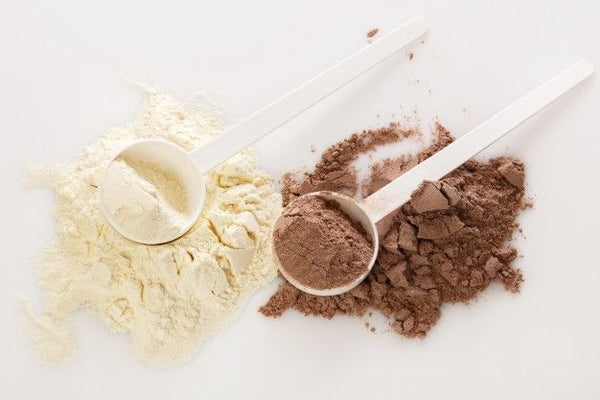
Muscle gain isn’t exclusive to meat-eaters. With smart choices and a balanced approach, a vegetarian diet can provide all the protein, amino acids, and key nutrients required to support lean muscle, strength, and optimal recovery.
In this guide, you'll find how much protein you really need to build muscle, the best vegetarian sources to rely on, and what a high-protein day on your plate should actually look like.
How Much Protein Do You Really Need to Build Muscle?
Protein plays a foundational role in muscle repair, recovery, and growth, especially after training. If you're working toward lean muscle gains, getting the right amount matters just as much as the source.
General recommendation for active individuals:
👉🏼 0.8 to 1.0 g of protein per kg of body weight daily
For example, if you weigh 70 kg, you’d need roughly 56–70 grams of protein each day.
Vegetarians can absolutely hit this target with a varied and balanced intake, think lentils, tofu, Greek yogurt, quinoa, chia seeds, and high-quality plant protein blends spaced across meals.
Note: Your protein needs may increase to 1.8–2.0 g/kg/day if you’re training intensely, aiming for hypertrophy, or in a calorie deficit.
Top High-Protein Veg Foods to Gain Muscle
Here are the most effective vegetarian foods for muscle growth and how to use them in daily meals:
1. Lentils (Dal)

Protein: ~18g per cooked cup
Rich in fiber, iron, and plant protein, lentils support muscle repair and endurance. Add to soups, curries, or sprout them for salads.
2. Chickpeas (Chana)

Protein: ~15g per cooked cup
Loaded with protein and complex carbs for sustained energy. Roast for a crunchy snack or mash into hummus for wraps.
3. Quinoa

Protein: ~8g per cooked cup
A complete protein with all nine essential amino acids. Use in salads, pilafs, or breakfast bowls.
4. Tofu

Protein: ~10g per 100g
A versatile soy protein packed with calcium and iron. Stir-fry with veggies, scramble for breakfast, or grill in sandwiches.
5. Tempeh

Protein: ~19g per 100g
Fermented soy with a meatier texture and enhanced digestibility. Slice into sandwiches, add to curries, or pan-fry for a protein-packed snack.
6. Paneer (Cottage Cheese)

Protein: ~14g per 100g
Excellent source of casein protein, which supports slow muscle recovery. Add to parathas, curries, or grill as a tandoori starter.
7. Greek Yogurt

Protein: ~10g per 100g
Rich in probiotics and calcium, supports gut and muscle health. Blend into smoothies or mix with fruits and seeds for breakfast.
8. Edamame or Soya Chunks

Protein: ~28g per cup (soya chunks), 17g per cup (edamame)
One of the most concentrated plant proteins. Boil edamame with sea salt or add soya chunks to pulao and curry.
9. Amaranth (Rajgira)

Protein: ~9g per cooked cup
A gluten-free grain rich in lysine, an amino acid crucial for muscle tissue growth. Make porridge or use amaranth flour for rotis.
10. Chia Seeds

Protein: ~5g per 2 tbsp
Also high in omega-3s, which support muscle function and reduce inflammation. Soak in almond milk overnight for a protein pudding.
11. Oats

Protein: ~6g per 1/2 cup dry oats
Provide complex carbs and a good protein-carb ratio for post-workout recovery. Cook with milk or plant protein powder for a muscle-building breakfast.
Boost Your Intake with Protein Supplements
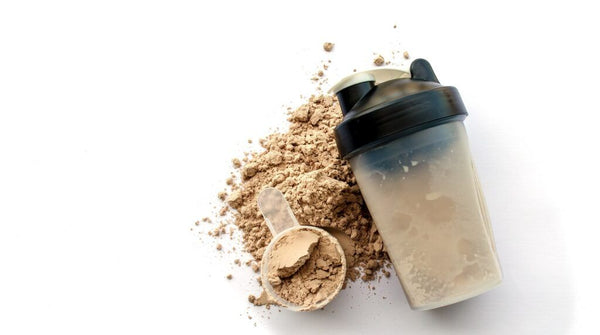
While whole foods should always form the base of your diet, protein supplements bring in an added layer of convenience, precision, and consistency, especially when your schedule or training intensity demands more.
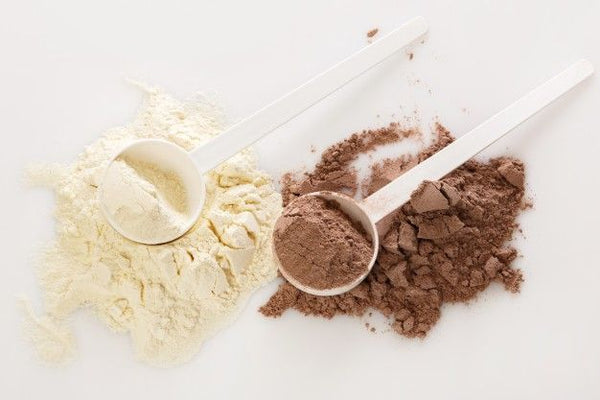
At Wellbeing Nutrition, we offer clean-label protein powders, ranging from whey protein isolate, whey protein concentrate, and hybrid blends to plant-based protein formulas, crafted to support your daily needs without added sugar, artificial fillers, or unnecessary additives.
Whether you prefer a dairy-based option or a vegan alternative, each scoop is designed to support lean muscle growth, faster recovery, and improved performance.
A Full-Day Veg Diet Plan for Muscle Gain
|
Time |
Meal |
What to Eat |
|
🥤 7:00–7:15 AM |
Post-Workout |
1 scoop hydrolyzed whey or plant protein + 2 dates or 1 banana |
|
🥣 7:30–8:00 AM |
Early Morning |
4 soaked almonds + 2 walnuts + warm water with lemon and chia seeds |
|
🍳 8:30–9:00 AM |
Breakfast |
2 Moong dal chillas with paneer/tofu filling + mint chutney |
|
🥤 11:00 AM |
Mid-Morning Snack |
Smoothie: banana, peanut butter, oats, flax seeds, and milk + cinnamon |
|
🥗 1:00 PM |
Lunch |
Rajma (kidney beans) with brown rice + salad with lemon and flax seeds |
|
🫖 4:00–4:30 PM |
Evening Snack |
Roasted chana or makhana (1 cup) with rock salt + tulsi green tea |
|
🍵 6:30 PM |
Light Bites (Optional) |
1 small fruit (guava, apple, or papaya) or herbal tea with pumpkin seeds |
|
🍛 7:30–8:00 PM |
Dinner |
Palak tofu curry or mixed veg curry + amaranth or jowar rotis + probiotic-rich raita |
|
🥛 9:30 PM (Optional) |
Bedtime |
Warm almond milk with nutmeg + 1 soaked fig or 2 walnuts |
Final Thoughts
A vegetarian diet can be just as effective for muscle gain as a non-vegetarian one when you plan well. Focus on variety, combine different protein sources, and support your meals with the right supplements if needed. With the right fuel, your muscle-building journey can be both plant-powered and performance-driven.

Recommended Products
 Whey Protein Concentrate 27g | 1kg | 4B CFU Probiotics | Unflavoured
₹4,749 – ₹9,498
Whey Protein Concentrate 27g | 1kg | 4B CFU Probiotics | Unflavoured
₹4,749 – ₹9,498
 Whey Protein Isolate + Concentrate 24g | 1kg | 4B CFU Probiotics | Mango Flavoured
₹6,174 – ₹12,348
Whey Protein Isolate + Concentrate 24g | 1kg | 4B CFU Probiotics | Mango Flavoured
₹6,174 – ₹12,348
 Whey Protein Isolate 31g | 1kg | 4B CFU Probiotics | Unflavoured
₹7,599 – ₹14,724
Whey Protein Isolate 31g | 1kg | 4B CFU Probiotics | Unflavoured
₹7,599 – ₹14,724
 Creatine Monohydrate + HCL | 100g | 300mg Taurine | Unflavoured
₹584 – ₹1,168
Creatine Monohydrate + HCL | 100g | 300mg Taurine | Unflavoured
₹584 – ₹1,168
 Creatine Monohydrate | 100g | 300mg Taurine | Unflavoured
₹494 – ₹988
Creatine Monohydrate | 100g | 300mg Taurine | Unflavoured
₹494 – ₹988
 Superfood Plant Protein | British Banoffee Pie
₹1,529 – ₹3,058
Superfood Plant Protein | British Banoffee Pie
₹1,529 – ₹3,058