Fat loss has somehow become a full-time job on the internet.
Eat after 11 a.m.
Don't eat after 7 p.m.
Walk 10,000 steps.
Cut carbs.
Take a fat loss supplement.
Drink lemon water.
Have protein with everything.
And somewhere between all these rules, you are expected to remember what you actually need to do.
This is where the 3-3-3 rule for fat loss feels refreshingly simple.
The idea is built around three things:
3 balanced meals a day.
3 bottles of water by 3 p.m.
3 hours of physical activity per week.
That's it.
There is no magic food. No starvation window. No requirement to live on salads.
And while the 3-3-3 rule itself is not a medically validated fat-loss formula, the behaviours behind it line up with several well-established principles of healthy weight management.
The real question is whether you can turn those three numbers into habits that actually work in your life.
Let's break it down.
First, what exactly is the 3-3-3 rule?
Think of it as a daily and weekly checklist.
1. Three balanced meals a day
Instead of constantly grazing, skipping meals and then attacking the snack drawer at 6 p.m., the idea is to build three proper, nutrient-dense meals.
Ideally, each meal contains:
Protein + high-fibre carbohydrates + healthy fats + vegetables or fruit
2. Three bottles of water by 3 p.m.
The framework generally translates this into around 1.5 to 2 litres of water by 3 p.m., depending on bottle size.
The point isn't to force-feed yourself water.
It is to make hydration something you do consistently during the first half of the day rather than remembering it at 10 p.m.
3. Three hours of physical activity per week
That's approximately 180 minutes of movement across the week, or around 30 minutes on most days.
It can include brisk walking, cycling, swimming, strength training, dancing, sports or anything else that gets you moving.
And interestingly, this third part is already close to or above the commonly recommended minimum amount of moderate physical activity for adults.
So, is the 3-3-3 rule a miracle?
No.
Is it a sensible structure?
Yes.
And that distinction is important.
1. Three balanced meals: Stop making fat loss about eating less and start thinking about eating better
One of the biggest mistakes people make during fat loss is reducing food without improving the quality of the meal.
A bowl of cereal might be low in calories.
It can also leave you hungry an hour later.
A salad might look "healthy."
Add no protein, fat or substantial carbohydrate and you may find yourself hunting for biscuits by 4 p.m.
The better question is:
Will this meal keep me satisfied, nourished and functional for the next few hours?
That's where the balanced-meal approach earns its place.

Indian breakfast ideas
Vegetarian
-
2 moong dal chillas + paneer filling + fruit
-
Vegetable poha + Greek yogurt
-
Eggs + whole-grain toast + sautéed vegetables
-
Besan chilla + curd + mint chutney
-
Oats cooked with milk + chia + berries + nuts
Vegan
-
Tofu bhurji + multigrain roti
-
Moong chilla + tofu
-
Soy yogurt + oats + fruit + seeds
-
Protein smoothie with soy milk, banana, berries and plant-based protein powder
Non-vegetarian
-
Eggs + avocado or vegetables + whole-grain toast
-
Chicken sandwich + vegetables
-
Egg bhurji + roti + fruit
Notice something?
None of these meals look like punishment.
That's the point.
Protein is the anchor
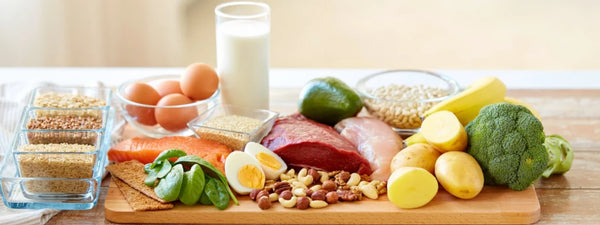
During fat loss, protein becomes particularly important because it helps with satiety and supports the maintenance of lean mass.
You don't need to obsess over exactly 30 g at every meal, but spreading protein across the day is a practical strategy.
Think:
Breakfast: eggs, Greek yogurt, paneer, tofu or protein powder
Lunch: dal + curd, chicken, fish, paneer or tofu
Dinner: fish, chicken, tofu, paneer, beans or lentils
And yes, protein powders can make this easier when food alone is inconvenient.
A protein powder is not a fat burner. It is simply a convenient source of protein.
Don't forget fibre
This is where many "high-protein" fat-loss diets go wrong.
They increase chicken, eggs and protein shakes while accidentally decreasing fruits, vegetables, whole grains and legumes.
Your gut notices.
Fibre-rich foods can help increase fullness and improve overall diet quality.
Build meals around:
-
Dal and beans
-
Vegetables
-
Berries and other fruits
-
Oats
-
Chia and flax
-
Whole grains
-
Nuts and seeds
If your diet consistently falls short, a dietary fiber supplement can be useful as a convenient addition. But it should supplement a fibre-rich diet, not replace it.

2. Three bottles by 3 p.m.: Hydrate early, not desperately
How many times have you looked at your water bottle at 5 p.m. and realised you've had approximately three sips all day?
Exactly.
The hydration component of the 3 3 3 rule is really about changing that pattern.
Getting roughly 1.5 to 2 litres of water by 3 p.m. can help you stay hydrated through the day, particularly in hot weather or when you're physically active.
But here's the important bit:
There is no universal requirement for everyone to drink exactly 1.5 to 2 litres by 3 p.m.
Your fluid needs vary based on body size, climate, activity, food intake and individual circumstances.
And more water does not automatically mean more fat loss.
Hydration can, however, help you distinguish thirst from hunger and may make it easier to avoid mindless snacking when what you actually needed was a drink.
Make hydration ridiculously easy
Try:
On waking: 300 to 500 ml
With breakfast: 250 to 300 ml
Mid-morning: 300 to 500 ml
With lunch: 300 to 400 ml
Then continue drinking according to thirst and your activity level.
If plain water bores you, try:
-
Mint + cucumber
-
Lemon + ginger
-
Orange + cinnamon
-
Fresh berries
-
Unsweetened infused water
And if you're sweating heavily during exercise, particularly in hot weather, electrolytes may be useful depending on the duration and intensity of activity.
3. Three hours of movement every week: You don't need to become a gym person
Here's the part many people overcomplicate.
Three hours a week does not mean three hours at the gym.

That's your three hours.
And you can break it up further.
Three 10-minute walks still count towards your overall activity.
The bigger goal is to make movement part of your week rather than something you do only when you're "being good."
For fat loss, resistance training deserves particular attention because losing weight is not the same thing as improving body composition.
You want to lose excess fat while holding on to as much lean tissue as possible.
So combine:
Cardio for cardiovascular fitness and energy expenditure
with
Strength training for muscle and functional fitness.
That's a much smarter long-term combination than endlessly chasing the treadmill.
The biggest mistake? Treating 3-3-3 as a calorie-burning hack
Let's be clear.
The 333 rule for fat loss does not override energy balance.
Three balanced meals can still contain more calories than your body needs.
Three bottles of water cannot cancel out a consistently excessive calorie intake.
And three hours of exercise does not give you unlimited permission to eat whatever you want.
Fat loss ultimately requires your average energy intake to be appropriate for your body's needs over time.
But here's why the 3-3-3 framework is useful:
It focuses your attention on behaviours rather than obsessing over the weighing scale every morning.
Eat better.
Hydrate consistently.
Move regularly.
Repeat.
That's a much more sustainable foundation.
Where do berberine and fat loss supplements fit?
Somewhere far below the basics.
Berberine has attracted considerable attention because research suggests it may have modest effects on body weight and some metabolic markers. But it is not a substitute for diet and exercise, and evidence is still evolving.
If you're considering a berberine supplement, particularly if you take medication, it's worth speaking with a healthcare professional first because berberine can interact with medicines and isn't suitable for everyone.
The same scepticism applies to the broader fat loss supplement category.
If a product promises dramatic fat loss without changing your eating or activity habits, be cautious.
Supplements can sometimes help fill nutritional gaps or make specific goals more convenient.
They cannot do the fundamentals for you.

Do this consistently and you've created something far more valuable than a "hack".
You've created a routine.
The smarter way to follow the 3-3-3 rule
Don't treat these numbers as rigid commandments.
Use them as anchors.
3 meals: Build balanced, protein-rich meals instead of grazing mindlessly.
3 bottles by 3 p.m.: Hydrate early and consistently, while adjusting the amount to your individual needs.
3 hours of movement: Mix walking, cardio and strength training across the week.
Then add the things that make the framework work:
Enough protein.
Plenty of fibre.
Mostly minimally processed foods.
Adequate sleep.
Regular resistance training.
A sustainable calorie deficit.
That is the part nobody can package into a trendy reel.
But it is the part that matters.
Because successful fat loss is rarely about finding the most complicated strategy.
It is about finding a simple one you can actually repeat.
And that's where the 3-3-3 rule for fat loss gets interesting.
Not because the numbers are magical.
Because they are memorable enough to make healthy habits harder to forget.
Key Takeaways
1. The 3-3-3 rule is a framework, not a fat-loss formula Three balanced meals, roughly three bottles of water by 3 p.m. and three hours of weekly movement can create useful structure, but fat loss still depends on your overall diet, activity and energy balance.
2. Build meals around protein and fibre Protein-rich foods such as eggs, Greek yogurt, paneer, tofu, fish, chicken, lentils and protein powders can improve meal quality. Pair them with vegetables, fruit and other fibre-rich foods for greater nutritional value and satiety.
3. Hydration is important, but more isn't always better The "three bottles by 3 p.m." idea is a reminder to hydrate early. Your actual fluid needs are individual, and excessive water intake is not a fat-loss strategy.
4. Three hours of movement is a starting framework Spread your activity across walking, cycling, swimming, cardio and strength training. You don't need to complete it all at once.
5. Don't let supplements distract you from the basics A berberine supplement, protein powder or other fat loss supplement may have a specific role, but none can replace a nutritious diet, regular movement, adequate protein, fibre and sustainable calorie control.
FAQs
1. What is the 3-3-3 rule for fat loss?
The 3-3-3 rule is a simple lifestyle framework based on three balanced meals a day, approximately three bottles or 1.5 to 2 litres of water by 3 p.m., and three hours of physical activity per week.
2. Does the 333 rule guarantee weight loss?
No. It can provide structure for healthy habits, but it does not guarantee fat loss. Overall calorie intake, food quality, physical activity, sleep and consistency all matter.
3. What should I eat in the three meals?
Aim for a combination of protein, fibre-rich carbohydrates, healthy fats and plenty of vegetables or fruit. Examples include eggs with whole-grain toast and vegetables, dal with rice and sabzi, or tofu/chicken with vegetables and roti.
4. Can I have snacks while following the 3-3-3 rule?
Yes. The rule does not require you to eliminate snacks. If you are hungry between meals, choose nutrient-dense options such as fruit with nuts, Greek yogurt, roasted chana, eggs or a protein shake.
5. Can I follow the 3-3-3 rule as a vegetarian?
Absolutely. Paneer, Greek yogurt, tofu, soy, lentils, beans, eggs and plant-based protein powders can all contribute to your protein intake.
6. Is 1.5 to 2 litres of water enough for everyone?
No. Hydration requirements differ between individuals. Climate, body size, exercise, sweating and diet can all affect fluid requirements. The 1.5 to 2 litre target is better viewed as a practical framework rather than a universal prescription.
7. Does drinking water help with fat loss?
Adequate hydration supports normal physiological function and may help with appetite awareness. But drinking excessive water does not directly burn body fat.
8. Can I use protein powders while following the 3-3-3 rule?
Yes. Protein powders can be a convenient way to increase protein intake, especially for people with busy schedules. They should complement a balanced diet rather than replace whole foods entirely.
9. Is berberine good for fat loss?
Some clinical research suggests berberine may have modest effects on body weight and certain metabolic markers. However, it is not a magic fat burner and may interact with medications. Speak with a healthcare professional before using a berberine supplement.
10. What is more important than following the 3-3-3 rule perfectly?
Consistency. A sustainable eating pattern, adequate protein and fibre, regular physical activity, resistance training, good sleep and an appropriate calorie intake will matter more than hitting the numbers perfectly every single day.

Recommended Products
 Liposomal Berberine HCL+
₹1,439 – ₹2,878
Liposomal Berberine HCL+
₹1,439 – ₹2,878
 Whey Protein Isolate + Concentrate 24g | 1kg | 4B CFU Probiotics | Kesar Pista Badam
₹5,849 – ₹11,698
Whey Protein Isolate + Concentrate 24g | 1kg | 4B CFU Probiotics | Kesar Pista Badam
₹5,849 – ₹11,698
 Whey Protein Isolate + Concentrate 24g | 1kg | 4B CFU Probiotics | Swiss Chocolate
₹6,174 – ₹12,348
Whey Protein Isolate + Concentrate 24g | 1kg | 4B CFU Probiotics | Swiss Chocolate
₹6,174 – ₹12,348
 Whey Protein Isolate 31g | 1kg | 4B CFU Probiotics | Unflavoured
₹6,399 – ₹12,399
Whey Protein Isolate 31g | 1kg | 4B CFU Probiotics | Unflavoured
₹6,399 – ₹12,399
 Daily Fiber | Pina Colada Flavour
₹719 – ₹1,438
Daily Fiber | Pina Colada Flavour
₹719 – ₹1,438
 Daily Fiber | Vanilla Berry Flavour
₹719 – ₹1,438
Daily Fiber | Vanilla Berry Flavour
₹719 – ₹1,438
 Burn Slow
₹1,119 – ₹2,238
Burn Slow
₹1,119 – ₹2,238