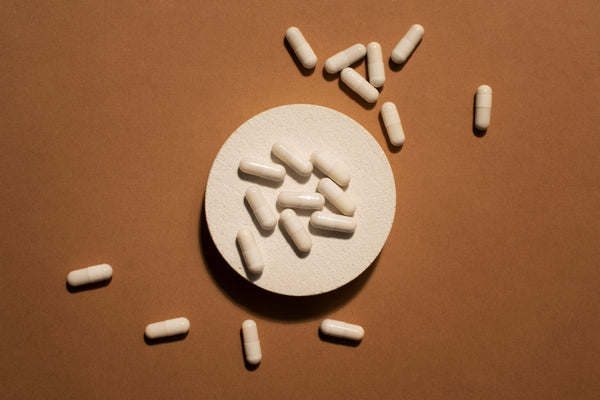
Your skin does not suddenly change the day you turn 30. But somewhere around this decade, you may start noticing little things that were not quite as obvious before.
Your skin feels a little less bouncy. Fine lines stay around for longer after a late night. Your face does not look quite as fresh after a few stressful weeks. Maybe your joints feel a little different after a workout, or your nails seem more prone to breaking.
This is where collagen enters the conversation.
Collagen is the most abundant protein in the body. It provides structure to your skin, bones, cartilage, tendons and other connective tissues. And as you get older, your body's natural collagen production gradually changes.
That does not mean you suddenly need a collagen supplement at 30. It simply means collagen becomes more relevant when you start thinking about healthy ageing, skin health and long-term connective tissue support.
So, what are the actual benefits of collagen for women?
Collagen can support skin hydration
Let's start with the benefit most women associate with collagen, skin.
Collagen forms an important part of the structure of your skin. As collagen changes with age, skin can gradually become less hydrated and less resilient.
Collagen supplements may support skin hydration and elasticity, two of the most studied benefits of collagen for skin.[NIH]
This is one reason collagen for skin has become such a popular part of beauty routines.
If your goal is healthier-looking, well-hydrated skin, a daily collagen powder can be an easy way to add collagen peptides to your routine.
Of course, hydration is not just about collagen. Water intake, dietary fat, adequate protein, skincare and sun protection all matter too.
Collagen can support skin elasticity
That fresh, firm, bouncy quality of younger-looking skin has a lot to do with its structural proteins.
As collagen production changes with age, skin elasticity can gradually decrease. This can make skin appear less firm and make fine lines more noticeable.
Collagen supplementation may improve skin elasticity, making this one of the key benefits of collagen for women.[NIH]
This is also why collagen for women over 30 is not really about trying to look younger.
It is about supporting the structure of your skin as it naturally changes with age.
It may help with the appearance of fine lines
Fine lines are a normal part of ageing. They are influenced by collagen loss, changes in skin hydration and elasticity, genetics, sun exposure and other lifestyle factors.
Collagen supplementation may help improve the appearance of fine lines and wrinkles, partly by supporting skin hydration and elasticity.[NIH]
Think of collagen as supporting the foundation of the skin rather than acting like an instant wrinkle eraser.
And if you are looking after your skin long term, daily SPF still matters far more than any single supplement.

Collagen can support your joints
Here is where collagen gets interesting beyond beauty.
Collagen is a major structural component of cartilage, the tissue that cushions your joints.
As we age, maintaining healthy joints becomes increasingly important, particularly if you exercise regularly, spend long hours sitting or simply notice more stiffness after physical activity.
Collagen supplementation may support joint comfort and function, particularly in people experiencing osteoarthritis-related joint discomfort.[NIH]
This does not mean collagen is a treatment for joint disease.
It simply gives collagen a much bigger role in women's wellness than skin alone.
It supports the connective tissues that keep you moving
Your skin may be where you notice collagen, but your body uses it everywhere.
Collagen contributes to the structure of tendons, ligaments, cartilage, bones and other connective tissues. These tissues are constantly working, whether you are walking, strength training, running, stretching or simply moving through your day.
This is why the benefits of collagen become particularly interesting as part of a healthy ageing routine.
Your 30s are a good time to start thinking about maintaining the tissues you rely on, rather than waiting until something feels different.
Collagen can be part of a skin and beauty routine
Collagen for glowing skin has become a popular search for a reason.
Healthy-looking skin is influenced by hydration, elasticity, nutrition and the integrity of its underlying structure. Collagen can support some of these factors, particularly skin hydration and elasticity.
A collagen powder can also be an easy addition to an existing routine. You can mix it into water, smoothies, coffee or even your morning matcha.
And if you already have a matcha ritual, a marine collagen and matcha combination can make collagen feel less like another thing on your to-do list and more like part of your morning.
The matcha itself does not make collagen more effective. It is simply a convenient way to make a daily routine easier to maintain.
Marine collagen can be an easy way to add collagen
If you have searched for the best collagen for women, you have probably come across marine collagen.
Marine collagen is derived from fish and is commonly used in collagen powders because it provides collagen peptides in a convenient format.
For women looking specifically for collagen for skin, marine collagen is a popular option, particularly because Type I collagen is abundant in skin.
But the most important thing is not simply choosing "marine" because it sounds better.
Look at the actual formulation, the collagen source, the amount provided per serving and whether the product is transparent about its ingredients.
A good collagen powder should fit easily into your routine and provide a consistent amount of collagen peptides.
What does vegan collagen actually mean?
If you follow a vegan diet, you may have come across the term vegan collagen.
Traditional collagen is animal-derived, so marine collagen itself is not vegan.
Most products marketed as vegan collagen are actually collagen builders. They contain nutrients or amino acids intended to support the body's own collagen production rather than providing collagen itself.
This can be a useful distinction when choosing a product.
Whether you choose marine collagen, another collagen powder or a vegan collagen builder, your everyday diet still matters.
Your body needs adequate protein and vitamin C to make collagen. Vitamin C is required for normal collagen formation.[NIH]
Your collagen routine starts with your diet
Before thinking about supplements, look at what is already on your plate.
Your body needs amino acids to make proteins, including collagen. That means adequate protein matters.
Eggs, dairy, fish, chicken, tofu, soy, beans, lentils and other protein-rich foods can all contribute.
Then there is vitamin C.
Amla, guava, oranges, kiwi, berries, tomatoes and peppers are all useful sources. Vitamin C plays an essential role in normal collagen formation.[NIH]
And do not forget the basics that protect the collagen you already have.
Daily sunscreen. Enough sleep. Regular exercise. A nutrient-dense diet. Not smoking.
Collagen supplementation can be part of that picture, but it cannot replace the basics.

So, should women over 30 take collagen?
There is no rule that says you need collagen the moment you turn 30.
But if you are thinking about healthy ageing, skin hydration, skin elasticity or joint support, collagen is worth understanding.
The biggest takeaway is that collagen is not just a beauty ingredient.
It is a structural protein your body relies on every day.
For women over 30, a consistent collagen routine can be one way to support skin and connective tissue alongside the things that matter most, adequate protein, vitamin C, movement, good sleep and daily sun protection.
And if you enjoy your morning collagen powder in a matcha, even better.
The goal is not to stop ageing.
It is to support your body well while it does what it is designed to do.
Key Takeaways
1. Collagen becomes increasingly relevant as you age.
Your body's collagen production gradually changes over time, affecting skin and connective tissues.
2. Collagen can support skin hydration and elasticity.
These are among the most studied benefits of collagen supplementation
3. Collagen is not only about skin.
It is an important structural protein in cartilage, tendons, bones and other connective tissues.
4. Marine collagen and collagen powder can make daily supplementation simple.
They provide a convenient way to add collagen peptides to your routine.
5. Healthy collagen starts with healthy habits.
Adequate protein, vitamin C, regular movement, good sleep and daily sun protection all contribute to long-term skin and connective tissue health.
FAQs
1. What are the benefits of collagen for women?
The main benefits of collagen supplementation are related to skin hydration and elasticity. Collagen may also support joint comfort and connective tissue health.
2. Is collagen good for women over 30?
Collagen production gradually changes with age, making collagen an interesting nutritional consideration for women over 30, particularly for skin and connective tissue support.
3. What does collagen do for skin?
Collagen helps provide structural support to the skin. Collagen supplementation may improve skin hydration and elasticity and help improve the appearance of fine lines and wrinkles.
4. Does collagen help with glowing skin?
Collagen can support skin hydration and elasticity, which can contribute to smoother, healthier-looking skin. A nutrient-rich diet and daily sun protection remain essential for skin health.
5. Is collagen good for joints?
Collagen is an important structural component of cartilage and connective tissue. Collagen supplementation may support joint comfort and function, particularly in people experiencing osteoarthritis-related discomfort.
6. What is the best collagen for women?
The best collagen for women depends on your dietary preferences and goals. When choosing collagen powder, look for a clearly stated collagen source, transparent ingredients and a consistent serving size.
7. Is marine collagen good for skin?
Marine collagen is a source of collagen peptides and is commonly used in supplements designed to support skin hydration and elasticity. Type I collagen is particularly abundant in skin.
8. Does collagen help hair and nails?
Collagen is not the primary protein in hair or nails, which are mainly made from keratin. Adequate protein and nutrients such as iron, zinc and vitamin D are also important for healthy hair and nails.
9. Is vegan collagen actually collagen?
Most vegan collagen products are collagen builders rather than actual collagen. They generally provide nutrients intended to support the body's natural collagen production.
10. Can I take collagen with matcha?
Yes. Collagen powder can be mixed into matcha, coffee, smoothies or water. A collagen and matcha combination can be a convenient way to make collagen part of a consistent daily routine.

Recommended Products
 Beauty Collagen Strawberry Watermelon Flavour
₹1,939 – ₹7,196
Beauty Collagen Strawberry Watermelon Flavour
₹1,939 – ₹7,196
 Beauty Korean Marine Collagen Peptides Mango Peach Flavour
₹1,939 – ₹7,196
Beauty Korean Marine Collagen Peptides Mango Peach Flavour
₹1,939 – ₹7,196
 Glow Korean Marine Collagen Peptides with Liposomal Glutathione & Vitamin C | Tropical Bliss Flavour | 250g
₹1,939 – ₹7,196
Glow Korean Marine Collagen Peptides with Liposomal Glutathione & Vitamin C | Tropical Bliss Flavour | 250g
₹1,939 – ₹7,196
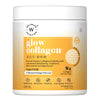 Glow Korean Marine Collagen Peptides with Liposomal Glutathione & Vitamin C | Valencia Orange Flavour | 250g
₹1,939 – ₹7,196
Glow Korean Marine Collagen Peptides with Liposomal Glutathione & Vitamin C | Valencia Orange Flavour | 250g
₹1,939 – ₹7,196
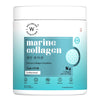 Pure Korean Marine Collagen Peptides | Unflavored | Combat Signs of Ageing
₹1,745 – ₹6,476
Pure Korean Marine Collagen Peptides | Unflavored | Combat Signs of Ageing
₹1,745 – ₹6,476