The problem nobody talks about until their knees do.
Here's a number that should stop you mid-scroll: over 1 billion people worldwide are living with some form of joint pain or osteoarthritis, according to the Global Burden of Disease study. In the US alone, the CDC reports that 1 in 4 adults, that's roughly 58.5 million people, deal with doctor-diagnosed arthritis.
And it's not just a "getting old" problem anymore. Joint pain in people under 45 has spiked by nearly 30% in the last decade, largely thanks to sedentary desk jobs, ultra-processed diets, and the kind of chronic low-grade inflammation that doesn't show up on a scan until it's already wrecking your cartilage.
Here's the part that surprises most people: your joints don't have their own detox system. Unlike your liver or kidneys, they can't flush out inflammatory buildup on their own. Cartilage has almost no blood supply, so whatever inflammatory load is floating around in your bloodstream basically marinates your joints for longer than any other tissue in your body.
That's the real story behind joint health, and it's why "detoxing your joints" isn't a gimmick when you understand what it actually means: reducing the inflammatory triggers your body is exposed to daily so your joints get a chance to repair instead of constantly firefighting.
This isn't about juice cleanses or trendy elimination diets. It's about a complete, practical approach, what you eat, how you move, how you sleep, and the small daily habits that either feed inflammation or starve it.
What "detoxing" your joints actually means
Let's clear up the confusion first, because factual accuracy matters here. You cannot literally "flush toxins" out of a joint. What you can do is lower systemic inflammation, improve circulation to joint tissue, and give your body the raw materials, think collagen, minerals, and healthy fats, it needs to rebuild cartilage and synovial fluid. That's the real mechanism behind every legitimate joint pain relief strategy you'll read about.
Best foods for joint health (and why they actually work)
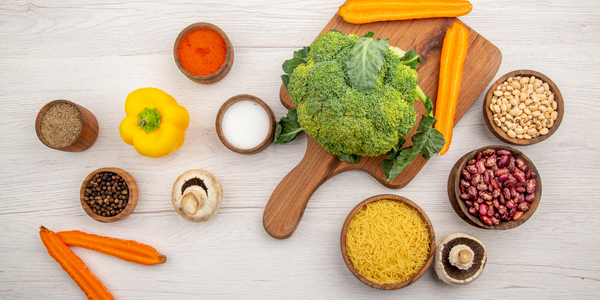
If you're wondering how to improve joint health starting today, your plate is the fastest lever you can pull.
Fatty fish like salmon, mackerel, and sardines are some of the best food for joints and bones because they're loaded with omega-3 fatty acids, which directly reduce the inflammatory markers (CRP and IL-6) linked to joint stiffness. If fish isn't your thing, this is one of the rare cases where an omega 3 supplement genuinely closes the gap, since most diets fall short of the 250-500mg daily target.

Leafy greens (spinach, kale, Swiss chard) are underrated foods good for joint health because they're dense in magnesium, a mineral that helps regulate muscle and nerve function around joints. Roughly 50% of Indians don't hit their daily magnesium requirement, which is why a magnesium supplement has quietly become one of the most searched wellness additions in recent years, not as a trend, but because deficiency is genuinely common.
Bone broth and collagen-rich foods deserve real credit here. Collagen makes up about 70% of cartilage's dry weight. A study published in the journal Nutrients found that consistent collagen supplement intake improved joint comfort in active adults [NIH]. If cooking bone broth isn't realistic on a Tuesday night, this is where a quality collagen supplement genuinely earns its spot in a food for strong bones and joints routine.
Turmeric and ginger are your everyday anti-inflammatory spices. Curcumin, the active compound in turmeric, has been shown in multiple clinical trials to reduce joint pain comparably to some over-the-counter options, without the gut irritation.
Berries, citrus, and bell peppers bring vitamin C, which your body needs to actually synthesize collagen. No vitamin C, no collagen production, no matter how much collagen you're eating or supplementing.
Sunlight and fortified foods matter more than people realize. Vitamin D deficiency affects over 1 in 3 adults globally, and low vitamin D is directly tied to weaker bone density and joint pain. A vitamin D3 supplement, especially in winter months or for anyone spending most days indoors, is one of the most evidence-backed additions for bone and joint health.
Cruciferous vegetables and garlic support your body's natural detox pathways (the liver-based ones that are real), and this indirectly reduces the inflammatory load your joints have to deal with. This is also where something like a NAC supplement comes in for people dealing with high oxidative stress, since NAC supports glutathione production, your body's master antioxidant.

Foods that quietly sabotage your joints
Joint pain foods to eat around and avoid go hand in hand. Refined sugar, fried foods, and excess red meat spike inflammatory markers within hours of eating them. Ultra-processed snacks with trans fats are some of the worst offenders, one review linked regular trans fat intake to a noticeably higher risk of inflammatory joint conditions. Alcohol and excess sodium also dehydrate cartilage, which is mostly water, making joints feel stiffer and creakier than they need to be.
The lifestyle side: your day, rebuilt
A realistic day for better joint health could look like this:
Morning: 10 minutes of mobility work before coffee, gentle joint rotations wake up synovial fluid production far better than static stretching alone.
Midday: A short walk after lunch. Movement pumps nutrients into cartilage since joints don't have direct blood flow, they rely on movement-based fluid exchange.
Afternoon: Swap the 3pm sugar crash snack for walnuts, berries, or a handful of pumpkin seeds.
Evening: Prioritize 7 to 9 hours of sleep. Growth hormone, which repairs connective tissue, peaks during deep sleep. Chronic sleep deprivation has been linked to measurably higher pain sensitivity.
Weight management also plays a bigger role than most expect. Every extra pound puts roughly 4 pounds of extra pressure on your knees while walking. Losing even 10% of body weight has been shown to cut knee osteoarthritis pain significantly in several clinical studies. [NIH]
Rounding out your nutrition with a solid multivitamins routine can help fill the small daily gaps, zinc, vitamin K, vitamin C, that food alone sometimes misses, especially for people with limited diet variety.
Key Takeaways
-
Joint cartilage has no blood supply, so systemic inflammation lingers there longer than anywhere else, making anti-inflammatory eating one of the most direct forms of joint pain relief.
-
Omega-3s, collagen, magnesium, and vitamin D3 aren't hype, they're backed by clinical research as foundational for bone and joint health.
-
Movement is what actually circulates nutrients into your joints, a sedentary day literally starves your cartilage.
-
Sugar, trans fats, and excess alcohol actively accelerate joint inflammation, not just calorie-wise, but biochemically.
-
A 10% reduction in body weight can cut joint pain nearly in half, making weight management one of the most underrated joint health strategies.
The Bottom Line
Your joints are quietly keeping score of everything you eat, how much you move, and how well you sleep. There's no overnight fix, but the science is clear and consistent: an anti-inflammatory, nutrient-dense approach paired with daily movement is the closest thing to a real joint detox that exists.
Start with your plate today, your knees will thank you in ten years.
FAQs
1. What are the best foods for joint health?
Fatty fish, leafy greens, berries, turmeric, and bone broth top the list for reducing inflammation and supporting cartilage repair.
2. Can food really provide natural joint pain relief?
Yes. Anti-inflammatory foods lower the inflammatory markers directly responsible for joint stiffness and pain over time.
3. What foods should I avoid for joint pain?
Refined sugar, fried foods, trans fats, excess red meat, and high sodium processed snacks worsen inflammation.
4. Is collagen supplement actually effective for joints?
Multiple studies show consistent collagen intake over 8 to 12 weeks improves joint comfort, especially in active individuals.
5. How much omega-3 do I need daily for joint health?
Most guidelines suggest 250-500mg of combined EPA and DHA daily, achievable through fatty fish or a quality omega 3 supplement.
6. Does vitamin D affect joint health?
Yes, low vitamin D is linked to weaker bones and higher joint pain, making a vitamin D3 supplement useful for those with limited sun exposure.
7. Is joint detox a real, scientifically backed concept?
Not in the literal sense of flushing toxins, but reducing inflammatory triggers through diet and lifestyle genuinely supports joint repair and function.
8. What is the fastest way to improve joint health naturally?
Combine daily movement, anti-inflammatory foods, quality sleep, and hydration for the fastest noticeable improvement.
9. Are magnesium supplements helpful for joint pain?
Magnesium supports muscle and nerve function around joints, and since nearly half of adults are deficient, supplementing can meaningfully help.

Recommended Products
 6x Strength Omega 3 Fish Oil
₹1,699 – ₹3,398
6x Strength Omega 3 Fish Oil
₹1,699 – ₹3,398
 4x Strength Omega 3 Fish Oil
₹1,499
4x Strength Omega 3 Fish Oil
₹1,499
 3x Strength Omega 3 Fish Oil
₹1,199
3x Strength Omega 3 Fish Oil
₹1,199
 Bone Support Slow
₹1,119 – ₹2,238
Bone Support Slow
₹1,119 – ₹2,238