You feel unusually tired, your energy is low, or you have been falling sick more often. Somewhere in the conversation, someone suggests getting your vitamin D levels checked. Sounds familiar?
Vitamin D has become one of the most frequently discussed nutrients in nutrition consultations, and for good reason. Yet, most people know they need it without knowing exactly how much vitamin D per day their body requires, what it actually does, or whether sunlight alone can meet their daily needs.
So, how much vitamin D is needed per day? Does the requirement change with age or sex? And when should you consider a vitamin D supplement? Let's understand.
First, what exactly is vitamin D?
Vitamin D is a fat-soluble vitamin that acts more like a hormone in the body. Unlike most vitamins, your body can produce it when your skin is exposed to UVB rays from sunlight. You can also obtain it through certain foods and supplements.
Once absorbed or produced, vitamin D undergoes activation in the liver and kidneys before becoming biologically active.
Its best-known function is helping your body absorb calcium, but its role extends much further. Vitamin D receptors are present in several tissues, making it important for multiple physiological processes.
Why does your body need vitamin D?
Think of vitamin D as a nutrient that supports several essential functions rather than one isolated health benefit.
1. Supports strong bones and teeth
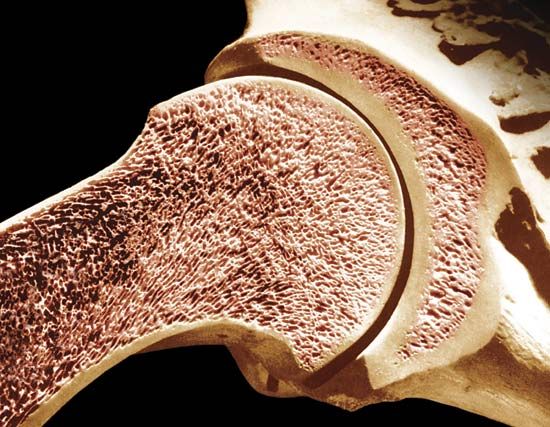
Vitamin D helps your intestines absorb calcium and phosphorus, two minerals essential for bone mineralisation. Without adequate vitamin D, your body cannot utilise calcium efficiently, increasing the risk of weak bones, rickets in children and osteomalacia in adults. [NIH]
2. Helps maintain muscle function
Your muscles need vitamin D for normal functioning. Low vitamin D levels can be associated with muscle weakness and discomfort, particularly in people with significant deficiency. [NIH]
3. Supports immune function
Vitamin D plays a role in regulating immune responses, including the activity of immune cells involved in recognising and responding to pathogens. Maintaining adequate levels is important for normal immune function, although supplementation does not guarantee protection against infections. [NIH]
4. May help with fatigue associated with deficiency
Ever wondered why vitamin D is frequently discussed when someone complains of persistent tiredness? Research has shown that correcting vitamin D deficiency can improve self-reported fatigue in people with low vitamin D levels.
However, fatigue can have several causes, including iron deficiency, poor sleep and thyroid disorders. It is not automatically a sign of low vitamin D. [NIH]
How much vitamin D do you need per day?
Unlike some nutrients, vitamin D requirements are not significantly different between adult men and women. Age and life stage play a more important role.
The ICMR-NIN 2020 guidelines recommend 600 IU of vitamin D per day for Indian adults. International recommendations from the National Academies of Sciences, Engineering, and Medicine provide the following age-wise requirements.

How much vitamin D per day for a woman?
For most healthy adult women, the recommended intake is 600 IU (15 mcg) per day. This remains the same during pregnancy and breastfeeding under the NIH recommendations.
Women above 70 years require 800 IU (20 mcg) daily. Individual requirements may differ if there is an underlying medical condition or diagnosed deficiency.
Can you take more than the recommended amount?
More vitamin D is not necessarily better. For adults, the tolerable upper intake level is 4,000 IU (100 mcg) daily from all sources, unless a healthcare professional prescribes a different dose for treating deficiency.
Excessive vitamin D can cause calcium to accumulate in the blood, potentially leading to nausea, weakness, kidney stones and kidney damage.
How can you meet your daily vitamin D requirement?
Getting enough vitamin D is not always as straightforward as spending a few minutes outdoors. Here are three ways to improve your intake.
1. Get good sunlight exposure
Sunlight triggers vitamin D production in your skin through UVB radiation. However, the amount produced depends on your skin tone, location, season, time of day, clothing and air pollution.
Morning sunlight is beneficial for several aspects of health, but very early morning rays may not provide enough UVB for meaningful vitamin D production. There is no universally applicable number of minutes that guarantees adequate vitamin D.
Avoid prolonged unprotected exposure and sunburn. Sunlight through a window also does not provide the UVB needed for vitamin D synthesis.
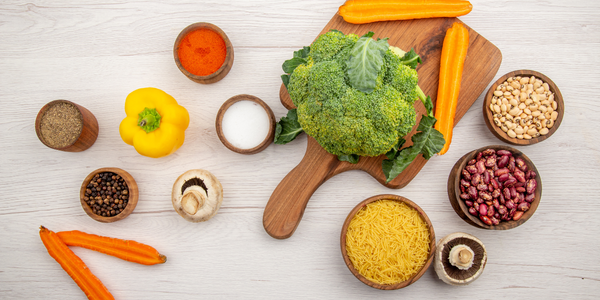
2. Include vitamin D-rich foods
Dietary sources can help bridge the gap. Include:
-
Fatty fish such as salmon and sardines.
-
Egg yolks.
-
Fortified milk and dairy products.
-
Fortified cereals.
-
UV-exposed mushrooms.
Most everyday foods contain relatively little vitamin D, which can make meeting your entire daily requirement through diet challenging.
3. Consider vitamin D supplementation
When sunlight exposure and dietary intake are insufficient, supplementation can help meet your daily vitamin D requirement.
A vitamin D supplement can be useful, particularly for individuals with limited sun exposure or increased risk of deficiency. Depending on your nutritional needs, you can consider vitamin D3 capsules, drops or oral dissolving strips.
A multivitamin supplement may also provide vitamin D alongside other essential micronutrients, making it an option for broader nutritional support.
Look at the vitamin D content per serving and account for other supplements you may already be taking. If you have a diagnosed deficiency, your healthcare professional can recommend an appropriate dose based on your blood test results.
One important distinction: Your daily vitamin D requirement is not the same as the dose prescribed to correct a deficiency. Do not self-prescribe high-dose vitamin D based on fatigue or general wellness trends.
FAQs
1. How much vitamin D per day is required for adults?
Most healthy adults require 600 IU (15 mcg) daily according to ICMR-NIN 2020 and NIH recommendations.
2. How much vitamin D per day for a woman above 50?
Women aged 51–70 generally need 600 IU daily. Women above 70 need 800 IU daily.
3. Is 1,000 IU of vitamin D daily safe?
For most healthy adults, 1,000 IU is below the upper intake limit of 4,000 IU. However, the appropriate dose depends on individual requirements.
4. Can you get enough vitamin D from sunlight alone?
Not always. Skin pigmentation, pollution, clothing, season and sun exposure habits influence how much vitamin D your body produces.
5. What are the common signs of vitamin D deficiency?
Muscle weakness, bone discomfort and fatigue can occur with deficiency, although some people have no noticeable symptoms.
6. What is the best time to take a vitamin D supplement?
Vitamin D is fat-soluble, so taking it with a meal containing some dietary fat can support absorption.
7. Does vitamin D requirement increase with age?
Yes. Adults above 70 require 800 IU daily compared with 600 IU for most younger adults.
8. Is vitamin D3 better than vitamin D2?
Both forms increase vitamin D levels. Vitamin D3 generally raises and maintains blood vitamin D levels more effectively than D2.
9. Can a multivitamin supplement provide enough vitamin D?
It can contribute towards your daily requirement. Check the label to understand how much vitamin D each serving provides.
10. How do you know if you have vitamin D deficiency?
A blood test measuring 25-hydroxyvitamin D (25(OH)D) is used to assess vitamin D status. Speak to a healthcare professional about whether testing is appropriate.
Key Takeaways
-
Vitamin D supports calcium absorption, bone health, muscle function and immune regulation.
-
Most healthy adults require 600 IU of vitamin D daily, while adults above 70 need 800 IU.
-
Fatigue can be associated with vitamin D deficiency, but it is not a specific diagnostic sign.
-
Sunlight, fortified foods and dietary sources all contribute towards vitamin D intake.
-
Vitamin D supplements and multivitamins can help bridge nutritional gaps, but higher doses should be taken under medical guidance.

Recommended Products
 Multi + Omega 50+ Slow
₹1,399 – ₹2,798
 Multi + Omega for Her Slow
₹1,399 – ₹2,798
 Multi + Omega for Him Slow
₹1,399 – ₹2,798
 Natural Vitamin D3
₹649 – ₹1,298