You know the feeling. You wake up stiff even though you didn't work out. Your skin flares up the week you barely slept. You feel bloated and foggy after a weekend of eating out, and it takes days to shake off. None of that is random, and it's not just "getting older" either. A lot of it comes down to one word that's suddenly everywhere on your feed, inflammation.
Chronic, low grade inflammation has become one of the most talked about topics in health right now, and unlike a lot of wellness trends, this one actually holds up scientifically. It's been linked to fatigue, joint pain, skin issues, gut problems, and long term risks like heart disease and diabetes. The good news is that managing it doesn't require an extreme detox or cutting out entire food groups overnight. It's about consistent, practical shifts you can actually stick to.
Here's your complete, no-fluff guide to calming inflammation the smart way.
First, What Is Inflammation Really Doing?
Inflammation itself isn't the enemy. It's your immune system's short term response to injury or infection, and in small doses it's protective. The problem is chronic inflammation, the kind that lingers for weeks, months, or years due to poor diet, stress, bad sleep, or a sedentary lifestyle.
This low grade, constant inflammation is now considered a root driver behind conditions ranging from arthritis to acne to metabolic issues. This is exactly why searches for anti inflammatory foods and natural ways to manage inflammation have spiked so heavily this year.
The Food Fix: What Actually Belongs on Your Plate
If you're looking for the best anti inflammatory foods, the good news is most of them are already familiar, they're just underused. Here's a practical anti inflammatory foods list you can realistically build meals around.
-
Fatty fish (salmon, mackerel, sardines): Loaded with omega-3 fatty acids, one of the most well researched foods with anti inflammatory properties.
-
Turmeric: Contains curcumin, a compound shown in multiple studies to reduce inflammatory markers. Pairing it with black pepper significantly boosts absorption, a detail most people miss.
-
Leafy greens (spinach, methi, moringa): Rich in antioxidants and polyphenols that help neutralize inflammatory compounds.
-
Berries: Blueberries and pomegranate are packed with anthocyanins, plant compounds directly tied to lower inflammation markers in blood tests.
-
Nuts and seeds (walnuts, flaxseeds, chia): Good plant based sources of omega-3s and fiber, both linked to lower inflammatory activity.
-
Ginger and garlic: Staples in Indian kitchens that double as functional anti inflammatory indian food, both shown to reduce inflammatory response in several clinical studies.

Speaking of which, Indian cuisine is quietly one of the most anti inflammatory diet food lists in the world when done right. Turmeric, ginger, garlic, mustard oil, and legumes like moong dal are staples that have been used for centuries and are now backed by modern research.
A simple dal tadka with turmeric and ghee, or a warm haldi doodh before bed, isn't just comfort food, it's functional food.
On the flip side, a trend worth knowing:
Ultra processed seed oils used in excess, refined sugar, and deep fried snacks are some of the biggest silent inflammation triggers, often more than people realize. It's not about eliminating them completely, it's about not letting them become the daily default.
Supplements That Support the Plate, Not Replace It
On days when your diet can't cover every gap, a few supplements genuinely earn their spot.
Omega 3 capsules are one of the most researched options out there, useful for people who don't eat fatty fish regularly, since omega-3s are consistently linked to lower inflammatory markers in the blood.
A magnesium supplement helps because magnesium plays a role in regulating the body's inflammatory response, and deficiency is surprisingly common.
A NAC supplement supports the body's natural antioxidant production, specifically glutathione, which helps manage oxidative stress that often goes hand in hand with inflammation.
A good multivitamin can act as a safety net for micronutrient gaps like vitamin D and zinc, both of which influence immune and inflammatory function more than most people realize.
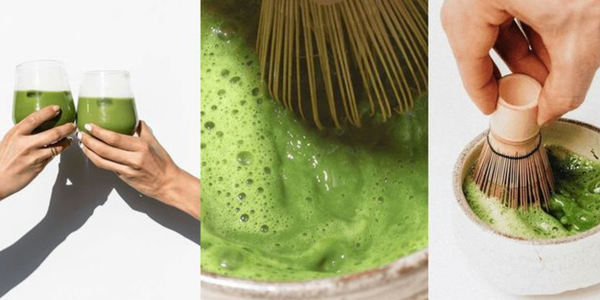
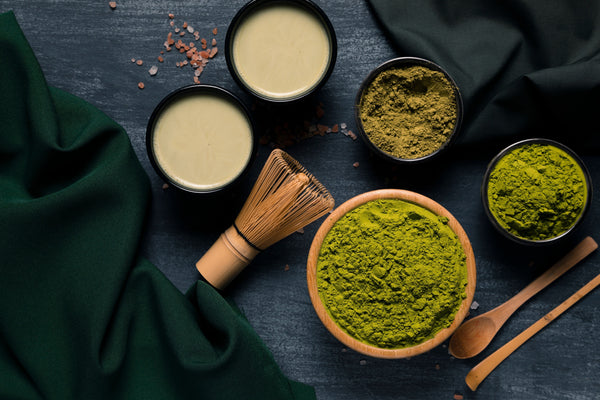
And if you're into newer trends, matcha and collagen combinations are having a real moment, matcha brings antioxidant polyphenols called catechins, while collagen supports joint and gut lining health, making a matcha collagen blend a genuinely useful, if trendy, addition for some people.
None of these replace real food, they simply fill in the cracks.

Lifestyle and Routine Habits That Move the Needle
Diet is half the picture. The rest comes down to daily habits that either fuel or calm inflammation.
-
Prioritize sleep quality, not just quantity. Poor sleep has been shown to directly spike inflammatory markers within days.
-
Move daily, but keep it moderate. Regular walking and strength training reduce inflammation, while chronic overtraining without recovery can actually increase it.
-
Manage stress intentionally. Chronic stress raises cortisol, and sustained high cortisol is directly linked to increased inflammatory activity in the body.
-
Stay consistently hydrated. Even mild dehydration has been associated with elevated inflammatory markers in some studies.
-
Limit alcohol, since it's been shown to disrupt gut lining integrity, which in turn triggers systemic inflammation.
-
Get natural sunlight for vitamin D, a nutrient directly involved in regulating immune and inflammatory responses.

Key Takeaways
-
Chronic low grade inflammation, not occasional short term inflammation, is the real issue to manage, and diet plays a major role in controlling it.
-
The best anti inflammatory foods, like fatty fish, turmeric, olive oil, and leafy greens, are simple, accessible, and easy to build daily meals around.
-
Indian kitchen staples like turmeric, ginger, garlic, and legumes make for a genuinely powerful, natural anti inflammatory diet food list.
-
Supplements like omega 3 capsules, magnesium, NAC, and multivitamins can support your routine but should never replace whole food nutrition.
-
Sleep, stress management, and moderate movement matter just as much as food when it comes to keeping inflammation in check.
FAQs
1. What are the best anti inflammatory foods to eat daily?
Fatty fish, turmeric, leafy greens, berries, olive oil, and nuts are considered some of the best anti inflammatory foods you can eat consistently.
2. What is a good anti inflammatory Indian food option?
Turmeric based dishes like dal tadka, along with ginger, garlic, and mustard oil used in traditional Indian cooking, are excellent natural anti inflammatory choices.
3. What foods should I avoid to reduce inflammation?
Refined sugar, deep fried snacks, and excessive processed seed oils are commonly linked to higher inflammatory markers when consumed regularly.
4. Can supplements help reduce inflammation?
Yes, omega 3 capsules, magnesium supplements, and NAC supplements are backed by research showing support for lower inflammatory activity, though they work best alongside a good diet.
5. Does turmeric actually reduce inflammation?
Yes, curcumin, the active compound in turmeric, has been shown in multiple studies to lower inflammatory markers, especially when paired with black pepper for better absorption.
6. How does sleep affect inflammation?
Poor sleep quality has been shown to increase inflammatory markers within just a few days, making sleep one of the most underrated inflammation management tools.
7. Is a multivitamin necessary for managing inflammation?
Not essential for everyone, but a good multivitamin can help fill common micronutrient gaps like vitamin D and zinc, both of which influence inflammatory regulation.
8. Can stress cause inflammation?
Yes, chronic stress elevates cortisol, and sustained high cortisol levels are directly associated with increased inflammatory activity in the body.
9. What is the fastest natural way to lower inflammation?
There's no instant fix, but combining anti inflammatory foods, quality sleep, hydration, and regular moderate movement tends to show noticeable results within a few weeks.
10. Are matcha and collagen good for inflammation?
Matcha contains antioxidant compounds called catechins, and collagen supports joint and gut health, making a matcha and collagen combination a genuinely useful, trend backed addition for some routines.

Recommended Products
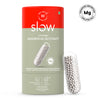 Liposomal Magnesium Glycinate (Chelated) | Pack of 60 Capsules
₹872 – ₹1,708
Liposomal Magnesium Glycinate (Chelated) | Pack of 60 Capsules
₹872 – ₹1,708
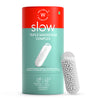 Triple Magnesium Complex
₹1,357 – ₹2,658
Triple Magnesium Complex
₹1,357 – ₹2,658
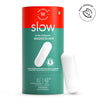 Ultra Strength Magnesium+
₹1,745 – ₹3,418
Ultra Strength Magnesium+
₹1,745 – ₹3,418
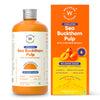 Himalayan Sea Buckthorn Juice with Curcumin Extract | 500ml
₹899 – ₹1,798
Himalayan Sea Buckthorn Juice with Curcumin Extract | 500ml
₹899 – ₹1,798
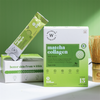 Matcha Collagen
₹1,614
Matcha Collagen
₹1,614
 6x Strength Omega 3 Fish Oil
₹1,939 – ₹3,798
6x Strength Omega 3 Fish Oil
₹1,939 – ₹3,798
 4x Strength Omega 3 Fish Oil
₹1,499
4x Strength Omega 3 Fish Oil
₹1,499
 Multi + Omega 50+ Slow
₹1,357 – ₹2,658
Multi + Omega 50+ Slow
₹1,357 – ₹2,658
 Multi + Omega for Her Slow
₹1,357 – ₹2,658
Multi + Omega for Her Slow
₹1,357 – ₹2,658
 Multi + Omega for Him Slow
₹1,357 – ₹2,658
Multi + Omega for Him Slow
₹1,357 – ₹2,658