Blood sugar is not just a number on a lab report. It is a daily rhythm. A quiet rise after breakfast. A steady hum through the afternoon. A dip at night when the body resets and repairs.
For anyone living with diabetes, that rhythm needs thoughtful direction. Food becomes more than fuel. It becomes strategy.
The right plate can support insulin sensitivity, slow glucose release, and reduce long term metabolic stress. The wrong plate can spike, inflame, and exhaust the very systems meant to keep blood sugar stable.
So if you have ever wondered what truly qualifies as the best food for diabetes control and what belongs firmly on the caution list, here is a science-backed, practical guide to the 10 best and worst choices.
Understanding How Food Influences Blood Sugar

Before we list anything, one key principle matters. Blood sugar rises based on three things:
-
The amount of carbohydrate determines how much glucose enters the bloodstream at once, directly influencing the rise in blood sugar levels.
-
The type of carbohydrate affects how quickly it is digested and absorbed, with refined carbs causing faster spikes than complex, fiber-rich sources.
-
The presence of fiber, protein, and fat slows digestion and glucose release, helping maintain steadier blood sugar after meals.
Foods that digest slowly and release glucose gradually are called low GI foods for diabetics. They prevent sharp spikes and crashes. Highly refined, fast-digesting foods overwhelm insulin response and make managing blood sugar more difficult over time.
Let us build the plate wisely.
10 Best Foods for Diabetics
These are considered some of the best foods for diabetics because they support glycemic balance, reduce inflammation, and improve insulin function.
1. Leafy Green Vegetables

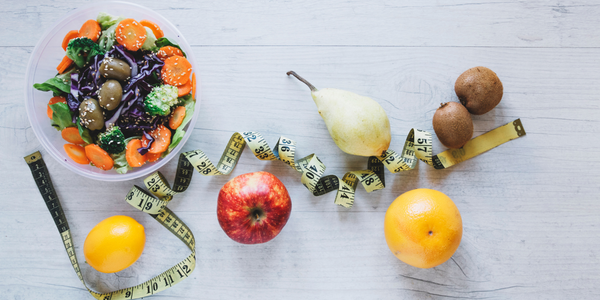
Spinach, amaranth, kale. Low in carbohydrates. Rich in magnesium and antioxidants. High in fiber. They slow glucose absorption and improve insulin signaling, making them one of the most reliable healthy foods for diabetics.
2. Whole Lentils and Legumes

Moong, masoor, chana, rajma. They are rich in plant protein and soluble fiber. This combination slows digestion and supports satiety. Among traditional Indian staples, legumes are one of the best food for diabetic patient choices when portion controlled.
3. Oats and Steel-Cut Whole Grains

Not all grains behave the same. Steel-cut oats and intact whole grains digest slower than refined flour products. Their beta-glucan fiber improves post-meal glucose control. They fall under powerful low GI foods for diabetics when minimally processed.
4. Nuts and Seeds

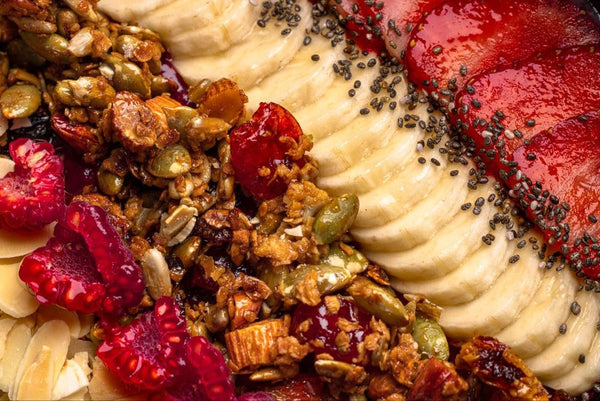
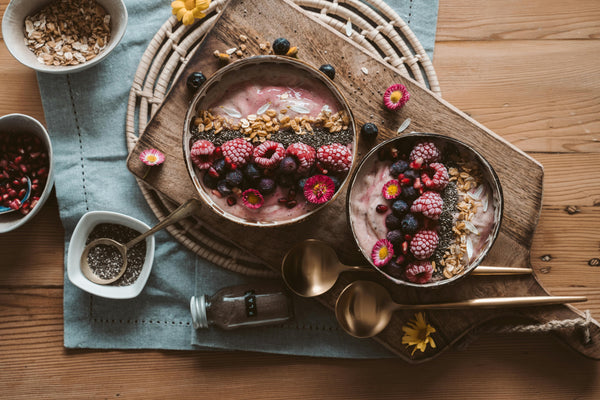
Almonds, walnuts, flaxseeds, chia seeds. Rich in healthy fats, fiber, and magnesium. They reduce post-meal glucose spikes and improve insulin sensitivity. A small handful between meals can support managing blood sugar throughout the day.
5. Fatty Fish

Salmon, sardines, mackerel. High in omega-3 fatty acids, which reduce inflammation and improve metabolic health. Inflammation plays a role in insulin resistance. Reducing it helps stabilize blood glucose levels.
6. Curd and Unsweetened Greek Yogurt

Probiotic-rich fermented dairy supports gut microbiome balance. A healthy gut improves insulin response and glucose metabolism. When unsweetened, these qualify as good foods for diabetics.
7. Berries

Strawberries, blueberries, raspberries. Lower in sugar compared to most fruits. Rich in polyphenols that enhance insulin sensitivity. They satisfy sweet cravings without causing aggressive spikes.
8. Bitter Gourd

A traditional metabolic ally. Contains compounds that mimic insulin activity and improve glucose uptake. Incorporating karela into meals supports gradual, sustainable balance.
9. Cinnamon

Not a meal, but a metabolic booster. Research suggests cinnamon may improve insulin sensitivity and reduce fasting blood sugar when used consistently in moderation.
10. Foods Rich in Natural Plant Compounds

Certain plant extracts have shown promise in supporting glucose metabolism.
For example:
-
Berberine for Diabetics has been studied for improving insulin sensitivity and reducing hepatic glucose production.
-
Black Seed Oil for Diabetes contains thymoquinone, which may help reduce oxidative stress and support metabolic regulation.
While not substitutes for medication, they may complement dietary strategies under professional guidance.
10 Worst Foods for Diabetics
These are commonly consumed but fall into the category of bad foods for diabetics due to rapid glucose spikes and inflammatory effects.
1. Sugary Beverages

Colas, packaged fruit juices, and sweetened iced tea deliver glucose in its fastest form, dissolved and ready for immediate absorption. Because there is no fiber or protein to slow digestion, blood sugar rises sharply within minutes. These repeated spikes increase insulin demand and make long term glucose control more difficult.
2. Refined White Bread & Refined Flour

White bread, refined naan, and bakery biscuits are made from flour stripped of fiber and micronutrients. Without fiber to buffer digestion, they break down rapidly into glucose. Their high glycemic response can disrupt stable blood sugar rhythms, especially when eaten alone or in large portions.
3. Fried Snacks

Chips, namkeen mixtures, and fritters combine refined carbohydrates with unhealthy fats. This pairing promotes inflammation and may worsen insulin resistance over time. They are calorie dense yet nutritionally poor, making them metabolically heavy and difficult to process efficiently.
4. Sweets

Traditional sweets often blend high sugar content with refined flour and saturated fats. This combination causes a rapid glucose spike followed by a sharp insulin surge. Frequent consumption places significant strain on metabolic balance and long term blood sugar regulation.
5. Flavored Yogurts

Flavored yogurts are often marketed as healthy dairy options. However, many contain added sugars that significantly increase their carbohydrate load. What appears to be a probiotic snack can quickly become a dessert in disguise.
6. Processed Breakfast Cereals

Many breakfast cereals, even those labeled “multigrain,” contain refined starches and added sugars. They digest quickly and can elevate blood glucose early in the day. Starting the morning with a spike often sets the tone for unstable energy and cravings later.
7. Sweetened Coffee Drinks

Caramel lattes and flavored frappes often contain syrups, whipped cream, and added sugars. These ingredients transform a simple beverage into a high-calorie sugar source. The liquid format allows rapid absorption, causing noticeable blood sugar surges.
8. White Rice in Large Portions

Polished white rice is rapidly digested because the fiber-rich outer layer has been removed. Large portions can lead to quick glucose elevation, particularly when consumed without protein or vegetables. Practicing portion control and pairing it with fiber and protein helps moderate its impact.
9. Processed Meats

Sausages and salami are often high in sodium, preservatives, and unhealthy fats. Regular intake has been linked to increased risk of insulin resistance and metabolic dysfunction. They also contribute to systemic inflammation, which complicates blood sugar management.
10. Ultra-Processed Packaged Foods

Ready-to-eat meals, instant noodles, and packaged snacks are typically low in fiber and high in refined carbohydrates. They often contain inflammatory fats and excessive sodium. Over time, these foods can disrupt metabolic health and make blood glucose control more challenging.
These consistently rank among the most problematic bad foods for diabetics.
The Real Goal
Diabetes management is not about eliminating joy from food. It is about designing meals that prevent spikes and crashes.
The foundation of the best food for diabetes control approach includes:
-
Fiber-rich vegetables help reduce glucose spikes by slowing carbohydrate absorption.
-
Balanced protein supports satiety and prevents rapid post-meal blood sugar fluctuations.
-
Healthy fats improve insulin response and add metabolic stability to meals.
-
Low glycemic carbohydrates release glucose gradually, preventing sharp rises and crashes.
-
Smart portion sizes ensure total carbohydrate load stays within manageable limits.
When this structure becomes habit, managing blood sugar becomes less reactive and more predictable.
Final Thought
Think of your metabolism as a slow-burning lamp. Feed it steady oil, and it glows calmly through the night. Pour in sugar spikes, and the flame flickers wildly before fading. The best foods for diabetics are those that respect the body’s natural pace. The bad foods for diabetics are those that rush it.
Choose slow. Choose steady. Choose nourishment that works with your biology, not against it. Because true diabetes care is not a sprint. It is sustainable, informed, and deeply intentional.
FAQs
1. What is the best food for diabetes control?
The best food for diabetes control includes fiber-rich vegetables, whole lentils, low GI whole grains, nuts, seeds, and healthy fats that slow glucose absorption and improve insulin sensitivity. These foods release energy gradually instead of causing sharp spikes. A balanced plate matters more than any single superfood.
2. Which are the best foods for diabetics to eat daily?
The best foods for diabetics to include daily are leafy greens, legumes, unsweetened curd, nuts, seeds, and controlled portions of whole grains. These qualify as healthy foods for diabetics because they stabilize blood sugar and reduce inflammation. Consistency with these choices improves long-term glucose management.
3. What foods should diabetics avoid the most?
The most common bad foods for diabetics include sugary beverages, refined flour products, sweets, fried snacks, and ultra-processed packaged foods. These digest quickly and cause rapid glucose spikes. Frequent intake increases insulin resistance and metabolic stress.
4. Are low GI foods really better for diabetics?
Yes, low GI foods for diabetics digest slowly and release glucose gradually into the bloodstream. This prevents sudden spikes and crashes that strain insulin response. Over time, choosing low glycemic carbohydrates supports smoother and more predictable blood sugar control.
5. Is white rice completely bad for diabetics?
White rice is not forbidden, but large portions can raise blood sugar quickly due to its high glycemic index. Pairing it with fiber, protein, and healthy fats helps moderate its impact. Portion size and meal balance are key in managing blood sugar effectively.
6. Can natural ingredients like berberine and black seed oil help in diabetes?
Some research suggests Berberine for Diabetics may support insulin sensitivity and reduce hepatic glucose production. Black Seed Oil for Diabetes may help reduce oxidative stress and improve metabolic balance. However, they should complement medical treatment and dietary changes, not replace prescribed care.
7. How can I build a balanced meal plan for diabetes management?
Start with fiber-rich vegetables, add balanced protein, include healthy fats, and choose controlled portions of low glycemic carbohydrates. This structure forms the foundation of the best food for diabetic patient strategy. When practiced consistently, it makes managing blood sugar more stable and less reactive.

Recommended Products
 Diabetes Care Slow
₹1,357 – ₹2,658
Diabetes Care Slow
₹1,357 – ₹2,658
 Liposomal Berberine HCL+
₹1,619 – ₹3,238
Liposomal Berberine HCL+
₹1,619 – ₹3,238