Diabetes is one of the fastest-growing health challenges of our time. Nearly every family knows someone who’s living with it, or trying to prevent it. Despite advancements in medication and monitoring, many people still struggle with fluctuating glucose levels, fatigue, and inflammation that silently affect long-term health.
So it’s no surprise that the search for natural solutions to support blood sugar balance has gained momentum. From cinnamon to curcumin, several botanicals have shown promise. One ingredient in particular, Black Seed Oil for Diabetes, has captured global attention for its potential to improve insulin sensitivity and reduce oxidative stress.
But does it really work? Let’s explore what the science says and how these natural actives might complement your approach to how to control diabetes.
What Exactly Is Black Seed Oil?
Extracted from the seeds of Nigella sativa, Black Seed Oil (sometimes called black cumin seed oil) has been revered for over 2000 years in traditional medicine systems like Ayurveda and Unani. Ancient texts even called it “the remedy for everything but death.”
The Benefits
1. Improves Fasting Blood Glucose Levels
Black Seed Oil helps lower fasting glucose by enhancing insulin sensitivity and glucose uptake in muscle cells. Its active compound, thymoquinone, activates enzymes that regulate carbohydrate metabolism. This leads to more stable morning glucose levels, a key marker for long-term diabetic control.
A clinical trial found that 2 g/day of Nigella sativa seeds for 12 weeks significantly reduced fasting glucose by 14% in type-2 diabetic patients compared to placebo (NIH).
2. Reduces HbA1c (Long-Term Glucose Marker)
Regular use of Black Seed Oil has been shown to lower HbA1c, the key indicator of 3-month blood sugar control. Thymoquinone’s antioxidant effects help reduce advanced glycation end products (AGEs), which raise HbA1c. This means more stable long-term glucose patterns and improved insulin efficiency.
In a 12-week human study, HbA1c dropped by 1.0 % in the Black Seed Oil group versus 0.2 % in placebo, showing significant glycaemic improvement (NIH).
3. Enhances Insulin Sensitivity
Black Seed Oil improves how the body’s cells respond to insulin, allowing glucose to enter cells more efficiently. It also protects pancreatic beta cells from oxidative damage, supporting natural insulin production.
The result: smoother blood sugar regulation and fewer spikes after meals.
A meta-analysis of 17 studies found that Nigella sativa supplementation significantly improved insulin resistance indices (HOMA-IR) across both diabetic and pre-diabetic groups (NIH).
4. Lowers Inflammation and Oxidative Stress
Chronic inflammation worsens insulin resistance and Black Seed Oil directly addresses this. Its thymoquinone compound inhibits inflammatory cytokines (IL-6, TNF-α) and boosts antioxidant enzymes like SOD and catalase. This reduces oxidative stress that fuels both diabetes progression and its complications.
A 2021 trial showed a 26 % decrease in serum malondialdehyde (MDA), a lipid peroxidation marker reflecting oxidative damage and 20 % increase in antioxidant capacity in diabetic patients taking Black Seed Oil daily (NIH).
5. Improves Lipid Profile (Heart Health Support)
Diabetes often brings elevated cholesterol and triglycerides; Black Seed Oil helps rebalance these. It promotes healthy HDL (good cholesterol) and reduces LDL and triglycerides by modulating hepatic fat metabolism. This dual action supports cardiovascular health, essential in long-term diabetes care.
A 2020 clinical study reported a 16 % reduction in LDL, 22 % drop in triglycerides, and increase in HDL after 8 weeks of Black Seed Oil supplementation in type-2 diabetics (NIH).
6. Supports Weight Management and Metabolic Balance
Black Seed Oil may help control appetite and enhance fat metabolism, indirectly improving glucose utilization. Better weight management leads to reduced insulin resistance and improved overall metabolic health. This synergy supports both prevention and management of type-2 diabetes.
Study on obese women found that daily 3 g Nigella sativa supplementation led to a 5 % reduction in body weight and significant improvement in insulin sensitivity markers (NIH).
7. Protects the Pancreas and Beta Cells
Thymoquinone helps preserve pancreatic beta-cell integrity, preventing further insulin decline. This is especially valuable in early-stage diabetes, where maintaining cell function slows disease progression (NIH). By lowering oxidative damage, it supports natural insulin synthesis over time.
8. May Reduce Risk of Diabetes-Linked Complications
Long-term oxidative stress affects nerves, kidneys, and the cardiovascular system. Black Seed Oil’s potent antioxidant profile offers protective effects across these organs. It may reduce neuropathy risk and improve microcirculatory health.
A study highlighted Nigella sativa’s role in reducing oxidative complications in diabetic nephropathy and neuropathy through improved antioxidant enzyme levels (NIH).
In simpler terms: Black Seed Oil appears to work on multiple fronts, improving insulin function, reducing glucose production in the liver, and modulating inflammation that often accompanies metabolic disorders.
It’s no wonder people are starting to see it as more than a traditional remedy, almost like a modern Diabetes Capsule in liquid form.
When Tradition Meets Clinical Science: Wellbeing Nutrition’s Diabetes Care
For those seeking a modern, science-backed approach to blood sugar balance, Wellbeing Nutrition’s Diabetes Care brings the precision of clinical research into natural wellness.
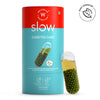
This advanced formula uses Reducose®, clinically shown to reduce post-meal glucose spikes from carbohydrates and sugars by up to 30%. It is combined with chromium, alpha lipoic acid, and plant extracts infused in black seed oil to help slow carbohydrate absorption and promote steady glucose release.
Together, these actives work in harmony to turn fast carbs into slow energy, supporting a calmer, more balanced metabolic rhythm.
Using Black Seed Oil
-
Consult your healthcare provider first: Both ingredients can lower blood sugar and may enhance the effect of medications. Unsupervised use may risk hypoglycemia.
-
Stick to studied doses: Black Seed Oil: 500–1000 mg oil per day (or equivalent to 1–2 g seeds).
-
Monitor your numbers: Track fasting glucose, HbA1c, and even post-meal readings regularly. You may notice subtle improvements in insulin response and energy consistency.
-
Quality matters: Choose supplements tested for purity and standardization. Poor-quality oils or low-grade extracts may not deliver expected outcomes.
-
Lifestyle is still the foundation: No supplement can offset a poor diet or sedentary lifestyle. Real metabolic health starts with balanced nutrition, movement, and stress management.
The Takeaway
Black Seed Oil embodies a rare synergy of ancient wisdom and modern clinical understanding. By improving insulin sensitivity, supporting the pancreas, and reducing oxidative stress, it offers a holistic foundation for blood sugar balance.
When paired with a research-backed supplement like Wellbeing Nutrition’s Diabetes Care, it can create a smarter, more sustainable approach to metabolic health. Because true control over diabetes isn’t about restriction, it’s about restoring balance, naturally.
FAQs
1. Can Black Seed Oil help manage diabetes naturally?
Yes. Clinical research shows that Black Seed Oil can lower fasting glucose, improve HbA1c, and reduce insulin resistance when used alongside a healthy diet and active lifestyle.
2. How does Black Seed Oil help control blood sugar?
Its active compound, thymoquinone, enhances insulin response, reduces glucose production in the liver, and protects beta cells, supporting better glucose metabolism.
3. Can it be used with medication?
Yes, but only under medical guidance. It may enhance the glucose-lowering effect of prescribed drugs, so dosage adjustments might be necessary.
4. Are there side effects?
It’s generally well tolerated. Mild digestive discomfort may occur initially but usually settles with continued use.
5. How does Diabetes Care complement black seed oil?
Wellbeing Nutrition’s Diabetes Care adds clinically proven actives like Reducose®, chromium, and alpha lipoic acid in black seed oil to further stabilize glucose levels and reduce post-meal spikes.