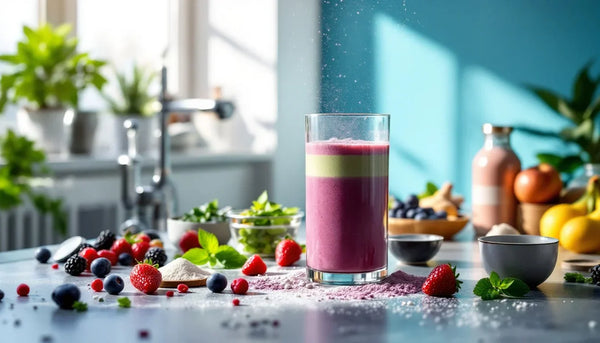
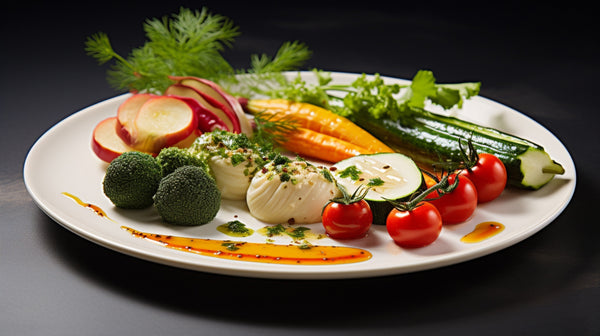
Protein has somehow become synonymous with gym bottles and bodybuilders. In reality, it is basic everyday nutrition.
Your body uses protein to build and maintain muscle, repair tissues, make enzymes and hormones, and support immune function. When protein and overall nutrition are severely inadequate for long periods, consequences can include muscle wasting, weakness and impaired immune function. (NCBI)
So, how much do you actually need?
For healthy Indian adults, ICMR-NIN sets the protein RDA at 0.83 - 1.0 g per kg of body weight per day when protein quality is adequate. That works out to roughly 46 g for a 55 kg adult and 54 g for a 65 kg adult.
Your actual requirement can differ with body weight, age, pregnancy, training, health status and goals.
And one important clarification: constantly reaching for biscuits at 4 PM does not automatically mean you are protein deficient. Hunger has many drivers, including sleep, total calories, fibre, stress and meal composition. What research does show is that higher-protein meals can increase fullness and reduce hunger in the hours after eating. [NIH]
So instead of turning your entire diet upside down, here is a practical high protein meal plan built around food you would actually find in an Indian kitchen.
Protein numbers are approximate because recipes, brands and portion sizes vary.
Day 1:
Breakfast: 2 moong dal chillas made with about 60 g soaked moong + 100 g curd (Protein: ~18 to 20 g)
Lunch: 1 cup rajma + 1 cup cooked rice + cucumber salad + 150 g curd (Protein: ~23 to 25 g)
Non-veg swap: 120 g cooked chicken curry + 1 cup rice + vegetables (Protein: ~35 to 40 g)
Snack: 40 g roasted chana + 250 ml buttermilk (Protein: ~11 to 12 g)
Dinner: Palak paneer made with 100 g paneer + 2 small jowar rotis (Protein: ~23 to 26 g)
Daily vegetarian total: roughly 75 to 83 g
Day 2:
Breakfast: 50 g oats + 250 ml milk + 150 g Greek yogurt or thick curd + 1 tbsp seeds (Protein: ~22 to 25 g)
Lunch: 1 cup chole + 2 small rotis + mix vegetable curry + curd (Protein: ~22 to 25 g)
Non-veg swap: 120 g grilled fish + 1 roti + ½ cup dal + vegetables (Protein: ~32 to 36 g)
Snack: 200 g Greek yogurt + fruit (Protein: ~16 to 20 g)
Dinner: 150 g tofu stir-fried with capsicum, beans and mushrooms + ½ to 1 cup rice (Protein: ~22 to 27 g)
This also works well as part of a high protein vegetarian meal plan.
Day 3:
Breakfast: 3 eggs bhurji + 2 whole-wheat toasts + tomato or fruit (Protein: ~23 to 25 g)
Vegetarian swap: 100 g paneer bhurji + toast (Protein: ~23 to 25 g)
Lunch: 1.5 cups dal + 2 rotis + mixed vegetables (Protein: ~20 to 23 g)
Snack: 250 ml milk + 25 g peanuts (Protein: ~13 to 14 g)
Dinner: 3-egg curry + 2 small jowar rotis + sautéed spinach (Protein: ~24 to 27 g)
Not fancy. Just protein showing up repeatedly across the day.
Day 4:
A high protein vegan meal plan does not have to mean imported ingredients.
Breakfast: 2 besan chillas made with about 70 g besan + vegetables + 1 tbsp sesame seeds (Protein: ~18 to 20 g)
Lunch: 50 g dry soy chunks cooked into a curry + 2 rotis + salad (Protein: ~30 g)
Snack: Roasted chana + peanuts, about 50 g combined (Protein: ~12 to 14 g)
Dinner: 150 g tofu + ¾ cup cooked quinoa + stir-fried vegetables (Protein: ~25 to 28 g)
ICMR-NIN specifically recommends combining cereals and pulses because their amino acid profiles complement each other. ([NIH])
Day 5:
Breakfast: 200 g Greek yogurt + 40 g oats + fruit + 15 g nuts and seeds (Protein: ~22 to 25 g)
Lunch: Protein khichdi with ½ cup raw rice, ½ cup raw moong dal and vegetables, divided into a generous meal portion + curd (Protein: ~22 to 25 g)
Snack: 2 boiled eggs (Protein: ~12 g)
Vegetarian swap: 75 g paneer cubes (Protein: ~13 to 14 g)
Dinner: 120 g chicken tikka + large salad + mint curd + 1 roti (Protein: ~35 to 40 g)
Vegetarian swap: 150 g tofu or 120 g paneer tikka (Protein: ~22 to 25 g)
Day 6:
A high protein low carb meal plan does not mean deleting carbohydrates completely.
Breakfast: 3-egg vegetable omelette + 100 g curd (Protein: ~21 to 23 g)
Lunch: 120 g paneer or 150 g tofu + a large bowl of mixed vegetables + ½ cup dal (Protein: ~28 to 32 g)
Snack: Greek yogurt or a protein shake (Protein: ~18 to 25 g)
Dinner: 120 to 150 g grilled chicken or fish + sautéed vegetables + ½ cup rice if wanted (Protein: ~30 to 40 g)
The smarter move is often reducing oversized refined-carbohydrate portions while keeping vegetables, pulses and sensible amounts of whole grains.
Day 7:
Breakfast: 3 idlis + 1.5 cups sambar + curd (Protein: ~18 to 20 g)
Lunch: 120 g chicken or fish curry + 1 cup rice + veg curry (Protein: ~32 to 38 g)
Vegetarian swap: 100 g paneer curry + ½ to 1 cup dal (Protein: ~25 to 30 g)
Snack: Fruit + 200 g Greek yogurt (Protein: ~17 to 20 g)
Dinner: Mixed dal dosa or pesarattu + sambar + vegetables (Protein: ~20 to 25 g)
Traditional Indian combinations like dal-rice, roti-chana, idli-sambar and dosa-sambar are useful ways of combining complementary plant proteins.

For the days when cooking loses
There will be days when lunch was three bites between meetings and suddenly it is 5 PM and the chips are calling.
That is where protein powder can be useful.
A scoop of whey protein or a well-formulated vegan protein can provide roughly 20 to 25 g protein depending on the product. Mix it with water or milk or add it to oats or a smoothie.
Think of it as filling a gap, not replacing your dal, eggs, paneer, fish or vegetables.
Human trials and meta-analyses show that increasing protein intake can support lean mass, particularly alongside resistance training, while higher-protein foods can also improve short-term fullness. [NIH]
The easiest protein diet meal plan is ultimately the one where protein appears at breakfast, lunch, snack and dinner instead of trying to squeeze the entire day's requirement into one giant meal.
FAQs
1. How much protein do I need daily?
ICMR-NIN recommends 0.83-1.0 g/kg/day for healthy adults consuming good-quality protein.
2. Is a high protein diet meal plan good for weight loss?
It may help with fullness and appetite control, but total calorie intake and overall dietary quality still matter.
3. Can vegetarians get enough protein?
Yes. Use dal, beans, soy, tofu, paneer, milk, curd, nuts, seeds and cereal-pulse combinations.
4. What are the best Indian high-protein breakfasts?
Moong chilla, besan chilla, eggs, paneer bhurji, idli-sambar and Greek yogurt with oats are practical choices.
5. Can vegans follow a high protein meal plan?
Yes. Prioritise soy, tofu, dals, beans, chickpeas, peanuts, seeds and vegan protein when required.
6. Is whey protein necessary?
No. Whey protein is a convenient option, not a requirement.
7. Is vegan protein as useful as whey?
Plant proteins can contribute effectively to daily protein intake. Protein quality and total intake matter, and blended plant proteins can provide a broader amino acid profile.
8. Can I take protein powder every day?
For healthy adults, it can be used to supplement dietary protein when needed. People with kidney disease or other medical conditions should discuss high protein intakes with their clinician.
9. Does eating protein stop snack cravings?
Higher-protein meals can increase short-term satiety, but cravings also depend on sleep, stress, total calories and eating patterns.
10. Do I need a high protein low carb meal plan?
Not necessarily. Protein intake matters, but carbohydrates such as whole grains, fruits, vegetables and pulses can still be valuable parts of a balanced diet.
Key Takeaways
-
Know your baseline: Healthy Indian adults need about 0.83-1.0 g protein/kg/day as the RDA.
-
Spread it out: Put a meaningful protein source into every major meal.
-
Keep it Indian: Dal, curd, paneer, eggs, soy, chicken, fish, chana and sambar all count.
-
Use supplements strategically: Protein powder, whey protein and vegan protein are convenient gap-fillers, not meal replacements.
-
Do not diagnose yourself from hunger: Frequent snacking does not automatically equal protein deficiency, although adding protein to low-protein meals may help you feel fuller for longer.

Recommended Products
 Her Superfood Plant Protein | Chocolate Peanut Butter
₹1,709 – ₹3,238
Her Superfood Plant Protein | Chocolate Peanut Butter
₹1,709 – ₹3,238
 Plant Protein 22g | 500g | 3B CFU Probiotics | Belgian Dark Chocolate
₹1,709 – ₹3,238
Plant Protein 22g | 500g | 3B CFU Probiotics | Belgian Dark Chocolate
₹1,709 – ₹3,238
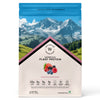 Plant Protein 22g | 500g | 3B CFU Probiotics | Canadian Mixed Berry
₹1,709 – ₹3,238
Plant Protein 22g | 500g | 3B CFU Probiotics | Canadian Mixed Berry
₹1,709 – ₹3,238
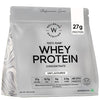 Whey Protein Concentrate 27g | 1kg | 4B CFU Probiotics | Unflavoured
₹3,999 – ₹7,998
Whey Protein Concentrate 27g | 1kg | 4B CFU Probiotics | Unflavoured
₹3,999 – ₹7,998
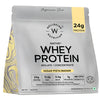 Whey Protein Isolate + Concentrate 24g | 1kg | 4B CFU Probiotics | Kesar Pista Badam
₹5,199 – ₹10,398
Whey Protein Isolate + Concentrate 24g | 1kg | 4B CFU Probiotics | Kesar Pista Badam
₹5,199 – ₹10,398
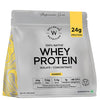 Whey Protein Isolate + Concentrate 24g | 1kg | 4B CFU Probiotics | Mango Flavoured
₹4,399 – ₹8,798
Whey Protein Isolate + Concentrate 24g | 1kg | 4B CFU Probiotics | Mango Flavoured
₹4,399 – ₹8,798
 Whey Protein Isolate + Concentrate 24g | 1kg | 4B CFU Probiotics | Swiss Chocolate
₹5,199 – ₹10,398
Whey Protein Isolate + Concentrate 24g | 1kg | 4B CFU Probiotics | Swiss Chocolate
₹5,199 – ₹10,398
 Whey Protein Isolate 26g | 1kg | 4B CFU Probiotics | Bourbon Vanilla
₹6,399 – ₹12,799
Whey Protein Isolate 26g | 1kg | 4B CFU Probiotics | Bourbon Vanilla
₹6,399 – ₹12,799