Supplements can be powerful, but they’re never one-size-fits-all. Berberine, a plant-derived compound known for supporting blood sugar, metabolism, and weight balance, is no exception. Before adding it to your routine, it’s key to understand not just how it works, but whether it’s right for your body.
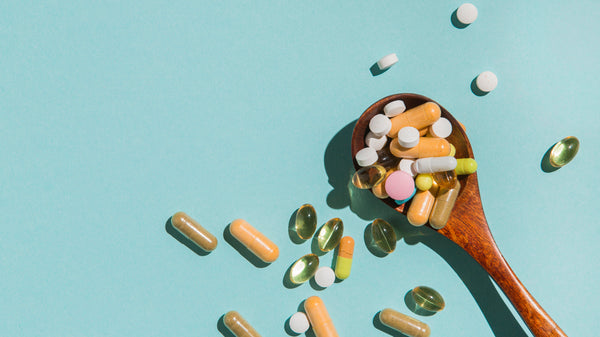
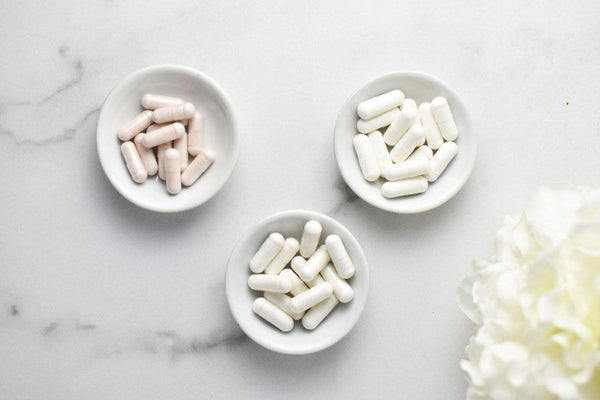
We’ve been conditioned to believe that more is better; higher doses, faster results, quick fixes. Your body doesn’t operate on that logic. It responds to rhythms, signals, and subtle cellular cues. The choice between tablet, capsule, or liposomal is not just about directions, it is about aligning with your body’s unique rhythms.
When Berberine May Not Be Right for You

Berberine works by activating AMPK, often called the “metabolic master switch.” This cellular mechanism helps regulate glucose, lipid metabolism, and energy utilization. For many, this translates to better blood sugar control, reduced cholesterol, and support for weight management.
But this potent mechanism can be a double-edged sword. Because berberine affects blood sugar, liver enzymes, and certain metabolic pathways, it might not safe for everyone. In some cases, it can interact with medications, exacerbate pre-existing conditions, or cause digestive discomfort.
Understanding who should avoid taking berberine is essential to avoid berberine side effects and ensure you benefit from its therapeutic potential.
1. Pregnant and Breastfeeding Women
One of the first groups who should avoid berberine supplements is expectant or breastfeeding mothers. While berberine is natural, “natural” does not mean risk-free.
Studies suggest berberine can cross the placenta and may affect fetal development. It can also transfer into breast milk. [NIH] Since infants and developing babies have delicate metabolic systems, exposure to berberine tablets or capsules could be unsafe.
If you are pregnant or nursing, it is better to focus on dietary adjustments, gentle exercise, and professional guidance rather than experimenting supplements on your own.
2. Individuals with Low Blood Sugar
Berberine enhances insulin sensitivity and lowers blood glucose. For most people, this is a benefit. For those already prone to hypoglycemia, however, it can be risky.
People taking diabetes medications, particularly insulin or sulfonylureas, may experience dangerously low blood sugar if they add berberine supplements to their routine.[NIH] Even individuals not on medication but with naturally low fasting glucose should approach berberine tablets or capsules cautiously. Monitoring blood sugar closely is essential, and supplementation should always be discussed with a healthcare provider.
3. People on Certain Medications
Berberine interacts with enzymes in the liver that metabolize drugs, particularly the cytochrome P450 system. [NIH] This means it can alter how your body processes medications, potentially increasing side effects or reducing efficacy.
Medications to watch include:
-
Blood thinners like warfarin
-
Blood pressure medications
-
Cholesterol-lowering drugs (statins)
-
Immunosuppressants
If you are on any prescription medications, a conversation with your doctor is non-negotiable before starting berberine supplement use. Even natural compounds can disrupt drug metabolism, and timing, dose, and form all matter.
4. Individuals with Gastrointestinal Sensitivity
Berberine is generally well-tolerated, but it can cause digestive discomfort, particularly at higher doses. Nausea, cramping, and diarrhea are not uncommon in the first weeks of use.
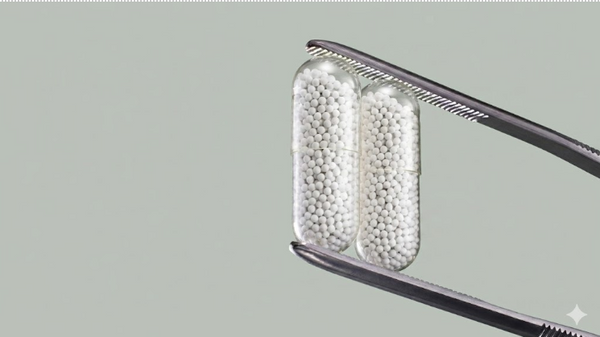
Those with sensitive stomachs or gastrointestinal conditions such as IBS may want to avoid standard berberine tablets or capsules. This is where liposomal berberine HCL or advanced delivery forms come in. By improving absorption and reducing direct stomach contact, these formulations minimize digestive upset while maximizing berberine benefits. But even then, caution and professional guidance are advisable.
5. Children and Adolescents
The safety of berberine supplements in children and teens is not well-established. While some studies have looked at berberine in young populations with type 2 diabetes, long-term safety data is limited.
Because children have developing metabolic and hormonal systems, supplementation should be approached conservatively. Diet, activity, and lifestyle modifications remain the first line of support.
How Dosage and Formulation Affect Safety
Not all berberine supplements are created equal. The form you take, the dose, and the timing matter as much as whether you should be taking it at all.
Clinical studies indicate that divided dosing of 500 mg two to three times daily is most effective for metabolic support and weight management. Taking the full dose at once can overwhelm your digestive system and spike cellular effects too rapidly, potentially leading to nausea or hypoglycemia.
Advanced formulations such as our Wellbeing Nutrition Liposomal Berberine HCL significantly enhance absorption by 10x compared to regular berberine tablets or capsules. This formulation protect berberine from stomach acid, deliver it directly to the small intestine, and ensure that your body uses more of the compound. This means lower doses can achieve better results, with reduced berberine side effects—a crucial consideration for those with sensitive systems.
The Bottom Line
Berberine is a powerful natural compound with berberine supplement benefits ranging from blood sugar regulation to weight management. But it might not suit everyone or every life stage.
Pregnant and breastfeeding women, individuals prone to hypoglycemia, those on certain medications, people with gastrointestinal sensitivity, and children or adolescents should avoid berberine supplements unless advised by a healthcare professional.
The goal is not to demonize berberine, but to use it wisely. Supplements are most effective when they align with your biology. The right dose, the right form, and the right timing make all the difference between benefit and risk.
Just like your body responds to rhythm and consistency rather than speed, supplements work best when they respect your biology. Knowing “who should avoid taking berberine” and understanding “are berberine supplements safe” is the first steps toward using them responsibly and getting the metabolic support you need without unnecessary risk.
Because in supplementation, as in life, understanding your body’s needs is everything.

Recommended Products
 Liposomal Berberine HCL+
₹1,745 – ₹3,418
Liposomal Berberine HCL+
₹1,745 – ₹3,418