Ask someone to name a food rich in vitamin C and there is a very good chance you will hear one answer: orange.
Orange juice. Orange slices. Maybe lemon if they are feeling adventurous.
But vitamin C has a much bigger social circle than citrus.
From the humble guava sitting in your local fruit market to crunchy capsicum, juicy kiwi, amla and even broccoli, there are plenty of vitamin C foods that can contribute meaningful amounts of this essential nutrient to your diet.
And some of them can actually give you as much as, or considerably more than, an orange in one practical serving.
So if your current vitamin C strategy is basically “remember to eat an orange”, here is your sign to diversify.
First, how much vitamin C do you actually need?
For most adults, the recommended intake is 75 mg a day for women and 90 mg a day for men. People who smoke need an additional 35 mg per day because smoking increases oxidative stress and affects vitamin C status.
Vitamin C is a water-soluble vitamin that acts as an antioxidant and is involved in collagen production, wound healing, iron absorption and normal immune function.
The good news? You do not need to obsess over one “superfood”.
A varied plate can get you there quite comfortably.
1. Guava: the real vitamin C showstopper
If orange is the celebrity everyone knows, guava is the underrated overachiever.
A 100 g serving of common raw guava contains around 228 mg of vitamin C, based on USDA nutrient data.
That is more than three times the vitamin C in a medium orange.
And 100 g is not some enormous portion. It is roughly one medium guava, depending on size.
Easy upgrade: Slice guava with a pinch of chilli powder and salt, or simply eat it as your afternoon fruit.
If you are looking for foods high in vitamin C, this one deserves a permanent spot on the list.
2. Amla: India's tiny vitamin C powerhouse
Amla deserves its own category.
Research on Indian gooseberry has found substantial variation in vitamin C content, with several cultivars containing roughly 334 to 453 mg per 100 g, while other analyses have reported even higher values.
You do not need 100 g of amla to make it count. Around 30 g, or two small fruits, can provide roughly 100 to 130 mg based on those reported ranges.
Easy upgrade: Chop fresh amla into a salad, blend a small amount into chutney or eat it with a meal.
One important detail: heavily processed amla products can have very different vitamin C levels from fresh fruit. Heat, oxygen and storage can reduce vitamin C.
3. Red capsicum: put colour on your plate
That bright red capsicum sitting in your fridge is doing more than making your stir-fry look good.
Just ½ cup of raw red sweet pepper provides about 95 mg of vitamin C, slightly more than a medium orange.
That makes capsicum one of the easiest vitamin C food sources to add to everyday meals.
Easy upgrade: Add sliced capsicum to sandwiches, wraps, salads, poha or an omelette.
No separate “health food” required.
4. Kiwi: small fruit, serious vitamin C
One medium kiwi provides around 64 mg of vitamin C, making it surprisingly close to an orange.
It also brings fibre and a naturally tangy sweetness.
Easy upgrade: Add one kiwi to breakfast or have it as a desk-side afternoon snack.
It is proof that your vitamin C foods list can be much more interesting than oranges and lemons.

5. Green capsicum: the everyday option
Green capsicum may not have the same sweetness as its red counterpart, but it still delivers around 60 mg of vitamin C in ½ cup raw.
That is roughly 85% of the vitamin C in a medium orange.
Easy upgrade: Add it to your dal, paneer bhurji, stir-fry or grilled sandwich.
6. Papaya: your breakfast bowl can do more
Papaya is often appreciated for its fibre and carotenoids, but it also contributes vitamin C.
A practical 1-cup serving of papaya cubes provides roughly 72 mg of vitamin C, putting it around the same level as a medium orange.
Easy upgrade: Keep cut papaya ready for breakfast instead of relying on fruit juice.
And if you are specifically searching for vitamin C foods for skin, papaya is a particularly useful addition because vitamin C is required for normal collagen synthesis.
That does not mean eating one bowl of papaya suddenly transforms your skin. Nutrition is cumulative. Your overall dietary pattern matters much more.
7. Broccoli: yes, your greens counts
Vitamin C is not just a fruit story.
A ½ cup of cooked broccoli provides about 51 mg of vitamin C. Raw broccoli provides around 39 mg per ½ cup.
This is also a useful reminder that vegetables can quietly contribute significant amounts of micronutrients across the day.
Easy upgrade: Steam broccoli briefly and toss it with dal, rice, pasta or a simple lemon dressing.
8. Strawberries: snackable vitamin C
Half a cup of sliced strawberries gives you around 49 mg of vitamin C.
That is a pretty good return for something that can be eaten straight from the bowl.
Easy upgrade: Add strawberries to curd, oats or a homemade chia bowl.
They can also make your vitamin C foods list feel considerably less repetitive.
9. Brussels sprouts: small, leafy and seriously useful
Not exactly the first vegetable most Indian kitchens reach for, but nutritionally, Brussels sprouts deserve attention.
½ cup cooked provides about 48 mg of vitamin C.
Roast or steam them rather than boiling them for a long time.
Why? Vitamin C is water-soluble and sensitive to heat, and prolonged cooking can reduce its content. Steaming or microwaving can help minimise losses.
10. Cauliflower: the quiet contributor
Cauliflower does not have the vitamin C reputation of citrus, but ½ cup raw provides about 26 mg.
That is not enough to make it a standalone vitamin C superstar, but nutrition is not a one-food competition.
Add cauliflower to your meals alongside other fruits and vegetables, and those smaller contributions start adding up.
And then there is sea buckthorn
If you want to go beyond the usual grocery-list conversation, meet sea buckthorn.
These bright orange berries have attracted nutritional interest because their vitamin C content can be remarkably high. Research has reported approximately 400 mg per 100 g in some sea buckthorn berries, while other studies have found considerably lower values depending on cultivar.
That variation is important.
Vitamin C is not a fixed number stamped onto every fruit. Cultivar, growing conditions, maturity and processing can all influence the final amount.
So yes, sea buckthorn is an interesting vitamin C food source, but it does not need to replace everyday fruits and vegetables.
Think of it as another option, not a nutritional shortcut.

Why does vitamin C matter beyond “immunity”?
Vitamin C has a much longer job description than simply being the nutrient you reach for during cold season.
Your body needs it for collagen synthesis, which supports connective tissues including skin, blood vessels, bones and cartilage. It also helps improve the absorption of non-heme iron, the form of iron found primarily in plant foods.
This is where food combinations become interesting.
Think dal with a tomato and capsicum salad. Chana with amla chutney. Rajma with fresh vegetables. Or a fruit-rich breakfast followed by a balanced meal.
The vitamin C does not need to arrive in a fancy wellness drink.
It can arrive as food.
What about vitamin C supplements?
Food should generally be your first stop when you are trying to improve your vitamin C intake.
But supplements can have a role when your diet is inconsistent, your requirements are higher, or your healthcare professional has identified a nutritional gap.
That could mean a standalone vitamin C supplement, a multivitamin containing vitamin C, or, depending on your nutritional needs, a vitamin C zinc tablet.
The key is not to treat supplements as a replacement for a varied diet. They are there to complement it when needed.
So, should you stop eating oranges?
Absolutely not.
Oranges are nutritious, convenient and a perfectly good source of vitamin C.
The point is not that oranges are overrated.
The point is that vitamin C has never belonged to oranges alone.
Once you know your options, eating for vitamin C becomes much easier. Guava on one day. Capsicum in your lunch. Papaya at breakfast. Strawberries with curd. Amla chutney with dinner.
You are not chasing a single “superfood”.
You are simply building a more varied vitamin C foods list, one meal at a time.
Key takeaways
-
Vitamin C is not synonymous with oranges. Guava, amla, capsicum, kiwi, papaya, broccoli and berries are all useful vitamin C food items.
-
Guava can provide more than three times the vitamin C of a medium orange in a 100 g serving.
-
Amla and sea buckthorn can contain exceptionally high amounts of vitamin C, although their levels vary significantly with cultivar and growing conditions.
-
Vitamin C supports collagen formation, antioxidant function, immune function and absorption of plant-based iron, making vitamin C foods for skin and overall nutrition relevant beyond immunity.
-
Food comes first, supplements fill gaps. Multivitamins or targeted options such as a vitamin C zinc tablet can complement a varied diet when dietary intake is inadequate or nutritional needs call for them.
FAQs
1. What foods are rich in vitamin C?
Some of the best vitamin C foods include guava, amla, red capsicum, kiwi, papaya, green capsicum, broccoli, strawberries, Brussels sprouts and cauliflower.
2. Is guava higher in vitamin C than orange?
Yes. Around 100 g of guava can provide approximately 228 mg of vitamin C, while a medium orange provides about 70 mg.
3. Which Indian fruit is highest in vitamin C?
Amla is exceptionally rich in vitamin C, although the exact amount varies depending on cultivar, growing conditions, maturity and processing.
4. How much vitamin C do adults need per day?
The recommended intake is 90 mg per day for adult men and 75 mg for adult women. People who smoke require an additional 35 mg per day.
5. Which are the best vitamin C foods for skin?
Guava, amla, papaya, capsicum, kiwi and strawberries are useful choices. Vitamin C is required for normal collagen synthesis, which is important for healthy connective tissue and skin.
6. Does cooking destroy vitamin C?
Cooking can reduce vitamin C because it is water-soluble and sensitive to heat. Prolonged cooking can result in greater losses, so shorter cooking methods such as steaming may help retain more.
7. Is capsicum a good source of vitamin C?
Yes. Half a cup of raw red capsicum provides around 95 mg of vitamin C, while the same amount of green capsicum provides approximately 60 mg.
8. Does vitamin C help with iron absorption?
Yes. Vitamin C can improve the absorption of non-heme iron, the type of iron found primarily in plant foods.
9. Is sea buckthorn high in vitamin C?
Sea buckthorn can be rich in vitamin C, although reported amounts vary considerably between cultivars and growing conditions. Some research has reported values around 400 mg per 100 g.
10. Can I get enough vitamin C from food?
For most people, yes. Eating a varied selection of fruits and vegetables throughout the day can provide substantial amounts of vitamin C. Supplements can be considered when diet alone does not adequately meet individual nutritional needs.

Recommended Products
 Multi + Omega for Him Slow
₹1,357 – ₹2,658
Multi + Omega for Him Slow
₹1,357 – ₹2,658
 Multivitamins
₹599 – ₹1,138
Multivitamins
₹599 – ₹1,138
 Multi + Omega 50+ Slow
₹1,357 – ₹2,658
Multi + Omega 50+ Slow
₹1,357 – ₹2,658
 Multi + Omega for Her Slow
₹1,357 – ₹2,658
Multi + Omega for Her Slow
₹1,357 – ₹2,658
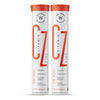 Organic Vitamin C + Zinc
₹758 – ₹2,035
Organic Vitamin C + Zinc
₹758 – ₹2,035
 Himalayan Sea Buckthorn Juice (Pulp) with Curcumin Extract | 500ml
₹699 – ₹1,438
Himalayan Sea Buckthorn Juice (Pulp) with Curcumin Extract | 500ml
₹699 – ₹1,438