Protein powders have practically become a fitness culture of their own. Whey, plant protein, clear protein, collagen, and now fermented yeast protein. Every few months, there is another protein source making its way into conversations about nutrition.
But yeast protein is not just another protein trend. It belongs to a broader category called single-cell protein (SCP), where protein is produced using microorganisms rather than conventional crops or livestock.
So, what exactly is single-cell protein? How is it produced? What are its benefits, and what makes fermented Saccharomyces cerevisiae yeast protein different from other microbial protein sources? Let's break it down.
What Is Single-Cell Protein and How Does It Work?
Single-cell protein refers to protein-rich biomass produced from microorganisms such as yeast, bacteria, fungi and microalgae. These microorganisms are cultivated in controlled conditions, using nutrients that allow them to multiply and produce biomass.
Once sufficient growth is achieved, the microbial biomass is harvested, processed and used as a protein ingredient in foods, supplements or animal feed.
Think of it this way: instead of growing a plant for months or raising livestock, you cultivate microscopic organisms that multiply and naturally produce protein.
Depending on the source and processing method, single-cell protein can be consumed as whole biomass or processed further to concentrate the protein.
Why Is Yeast Protein Becoming the New Protein Conversation?
Among the different single-cell protein sources, yeast is particularly interesting for developing protein powders.
One commonly used organism is Saccharomyces cerevisiae, a yeast species traditionally associated with baking and fermentation. In protein production, it is cultivated through controlled biofermentation, allowing the cells to multiply in a nutrient-rich environment.
The biomass is then harvested and processed to obtain a protein-rich ingredient.
But not all yeast protein is the same. Nutritional yeast, whole yeast biomass and concentrated fermented yeast protein differ in their composition and processing.
For protein supplementation, the goal is to produce an ingredient with a suitable protein concentration, essential amino acid profile, digestibility and controlled nucleic acid content. [NIH]
Benefits of Single-Cell Protein Worth Knowing
1. A Concentrated Source of Complete Protein
Single-cell protein can provide substantial protein content, depending on the microorganism and processing method. Yeast protein, for instance, contains all 9 essential amino acids that support tissue maintenance, cellular repair and several metabolic functions.
This makes it an interesting ingredient for protein-enriched foods and nutritional supplements. [NIH]
2. Supports Muscle Maintenance and Recovery
Protein supplies amino acids required for muscle protein synthesis, the process through which the body repairs and builds muscle tissue.
Fermented Saccharomyces cerevisiae protein can provide essential amino acids needed for this process. Emerging research has explored yeast protein supplementation in relation to muscle function, although evidence is still developing and should not be interpreted as proving superiority over whey. [NIH]
3. Offers a Non-Dairy Protein Alternative
Yeast protein is produced using microorganisms rather than milk. This makes it an option for people looking for a non-dairy protein source or a vegan-friendly protein powder, provided the finished formulation contains no animal-derived ingredients.
It also offers another way to diversify protein intake instead of relying exclusively on whey or soy. [NIH]
4. Can Be Produced Through Controlled Fermentation
Single cell protein production takes place in controlled environments, allowing manufacturers to manage growth conditions, nutrient supply and biomass production.
Unlike conventional agriculture, fermentation can operate independently of seasonal crop cycles. However, its actual environmental advantages depend on energy consumption, water use, feedstock and the manufacturing process. [NIH]

What Determines the Quality of Single-Cell Yeast Protein?
The microorganism is only one part of the story. Processing determines what finally reaches your scoop.
1. Controlled biofermentation: Look for a clearly identified yeast species, food-grade strain and controlled fermentation process.
2. Homogenisation and filtration: Homogenisation breaks open yeast cells, releasing intracellular proteins. Subsequent filtration and separation help remove cell debris and concentrate the protein fraction. Different filtration methods serve different purposes.
3. Protein quality and safety: Check protein per serving, all nine essential amino acids, leucine levels, digestibility scores such as PDCAAS or DIAAS, nucleic acid reduction and contaminant testing.
Yeast naturally contains RNA, which breaks down into purines and eventually contributes to uric acid production. Appropriate processing is therefore important when developing yeast protein for human consumption. [NIH]
The Bottom Line
Single-cell protein is changing how we think about protein production. Yeast, bacteria, microalgae and fungi offer different nutritional possibilities, with fermented Saccharomyces cerevisiae emerging as an interesting source for protein supplementation.
But the quality of a protein powder depends on more than its source. Fermentation, processing, amino acid composition, digestibility and safety testing all deserve equal attention.
FAQs
1. What is single-cell protein?
Single-cell protein is protein-rich biomass produced from microorganisms such as yeast, bacteria, fungi and microalgae.
2. What are the types of single-cell protein?
The major types include yeast protein, bacterial protein, microalgal protein and fungal protein, each with different nutritional and functional properties.
3. Is yeast protein a single-cell protein?
Yes. Yeast, including Saccharomyces cerevisiae, is a single-celled microorganism used to produce protein-rich biomass through fermentation.
4. Is single-cell protein good for muscle building?
It can provide amino acids required for muscle protein synthesis. Its effectiveness depends on protein quality, digestibility, total protein intake and resistance training.
5. Is fermented yeast protein a complete protein?
Yes. Saccharomyces cerevisiae protein can provide all nine essential amino acids, although their quantities vary depending on the ingredient.
6. Is single-cell protein suitable for vegans?
Microbial protein sources such as yeast and microalgae can be vegan-friendly, provided the finished product contains no animal-derived ingredients.
7. Is single-cell protein safe for daily consumption?
Food-grade single-cell protein can be suitable for consumption when appropriately manufactured and tested for nucleic acids, contaminants and other safety parameters.
8. What is the difference between single-cell protein and whey protein?
Single-cell protein is produced from microorganisms, while whey protein comes from milk. They differ in their source, manufacturing process, nutritional profile and digestibility.
9. Can single-cell protein replace regular protein powder?
It can be an alternative protein source, depending on your nutritional requirements. Compare protein content, amino acid profile, digestibility and formulation before choosing.
10. What are the uses of single-cell protein?
It is used in protein supplements, fortified foods, meat alternatives, animal feed and aquaculture nutrition, depending on the microbial source and processing.

Recommended Products
 Biofermented Yeast Protein Isolate 24g| 500g |2B CFU Probiotics| 3 Digestive Enzymes | Cold Coffee
₹1,804 – ₹3,418
 Biofermented Yeast Protein Isolate 24g| 500g |2B CFU Probiotics| 3 Digestive Enzymes | French Vanilla
₹1,804 – ₹3,418
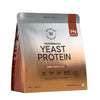 Biofermented Yeast Protein Isolate 24g| 500g |2B CFU Probiotics| 3 Digestive Enzymes |Dark Chocolate
₹1,804 – ₹3,418
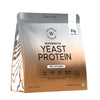 Biofermented Yeast Protein Isolate 31g | 500g | Unflavoured
₹1,709 – ₹3,238
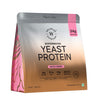 Biofermented Yeast Protein Isolate 24g| 500g |2B CFU Probiotics| 3 Digestive Enzymes |Mixed Berry
₹1,804 – ₹3,418