Vitamin B12, also known as cobalamin, is an essential nutrient that plays a critical role in red blood cell formation, nerve function, and DNA synthesis. Despite its importance, many people, especially vegetarians, struggle to meet their daily requirement of 2.4 micrograms. A deficiency in vitamin B12 can lead to fatigue, weakness, memory issues, and neurological problems. Recognizing vitamin B12 rich Indian foods and incorporating them into your diet can make a significant difference in maintaining overall health.
Why Vitamin B12 is Essential
Vitamin B12 is water-soluble and cannot be produced by the human body. It must be obtained from diet or supplements. It works synergistically with folate and vitamin D3 to maintain healthy blood and nerve function. Vitamin B12 deficiency is particularly common in vegetarians and older adults due to limited intake from natural food sources. Therefore, including vitamin B12 rich Indian vegetarian foods or opting for fortified options is crucial.
Top Vitamin B12 Rich Indian Foods
1. Dairy Products

Dairy remains one of the most accessible sources of vitamin B12 for vegetarians. Milk, curd, cheese, and paneer provide significant amounts of this nutrient. For instance, a 100g serving of paneer offers approximately 1.1 micrograms of vitamin B12. Incorporating these into daily meals, such as in curries, smoothies, or even a simple glass of milk, can boost intake effectively.
2. Eggs

Eggs are another excellent source, especially the yolk. One large boiled egg contains about 0.5 micrograms of vitamin B12. Including eggs in breakfast or as a snack can be beneficial for maintaining adequate levels, particularly for those who avoid meat but still consume animal-derived products.
3. Fortified Foods

Fortified foods, such as breakfast cereals, plant-based milk, and nutritional yeast, have emerged as reliable sources of vitamin B12. These foods are often enriched with both vitamin B12 and vitamin D3, addressing two critical nutrient gaps at once. For vegetarians struggling with vitamin B12 deficiency, these fortified options are particularly valuable.
4. Mushrooms

Certain mushrooms, such as shiitake and button mushrooms, contain modest amounts of vitamin B12. Though not as high as animal sources, they can contribute to daily intake when consumed regularly. Incorporating mushrooms into stir-fries, soups, or even grilled dishes can be an easy way to include vitamin B12 in your meals.
5. Vitamin B12 Rich Fruits

Fruits are generally low in vitamin B12, since this nutrient is mainly produced by bacteria and found in animal-based foods. However, some fermented tropical fruits like papaya, pineapple, and mango may contain trace amounts due to natural bacterial activity during fermentation. Similarly, fortified fruit juices such as orange or mixed berry blends enriched with vitamin B12 can help fill nutritional gaps. Homemade fermented fruit juices made with probiotic cultures may not directly supply large amounts of B12 but can improve gut health, which supports better nutrient absorption. Including these vitamin B12 rich fruits and fortified options as part of a diverse diet can complement other reliable sources of the vitamin.
6. Yogurt and Buttermilk

Traditional Indian yogurt (curd) and buttermilk are not only rich in probiotics but also provide vitamin B12. A cup of curd contains around 1 microgram of B12. Daily consumption, especially during meals, enhances nutrient absorption and supports gut health, which is critical for effective B12 utilization.
7. Fish and Meat
For non-vegetarians, fish such as salmon, mackerel, and sardines, and meats like chicken and lamb, are excellent sources of vitamin B12. A 100g serving of salmon provides nearly 4 micrograms, covering the recommended daily requirement. However, for vegetarians, focusing on dairy, eggs, fortified foods, and mushrooms is key.
Combating Vitamin B12 Deficiency
Vitamin B12 deficiency is common in India, especially among vegetarians and vegans. Symptoms often start subtly with fatigue, pale skin, and mood swings but can progress to neurological issues if untreated. Regular inclusion of vitamin B12 rich Indian foods and, if necessary, supplementation with vitamin B12 supplement strips can prevent deficiency. Pairing B12 intake with vitamin D3 and folate-rich foods enhances absorption and utilization.
Tips for Vegetarians
-
Include dairy products like paneer, milk, and yogurt daily.
-
Use fortified cereals or plant-based milk enriched with vitamin B12.
-
Incorporate mushrooms into curries, stir-fries, and soups.
-
Consider sublingual vitamin B12 supplement strips for consistent intake.
-
Combine B12-rich foods with vitamin D3 sources like sunlight exposure or fortified products for better absorption.
Sample Diet Chart for Daily Vitamin B12 Intake
Here’s a practical vegetarian diet plan to help you meet your daily vitamin B12 requirement:
|
Meal |
Food Items |
Vitamin B12 Source |
|
Breakfast |
1 cup fortified cereal + 1 glass milk |
Milk, fortified cereal |
|
Mid-Morning Snack |
1 boiled egg + fruit |
Egg, vitamin B12 rich fruits |
|
Lunch |
100g paneer curry + 1 cup yogurt + 2 chapatis |
Paneer, yogurt |
|
Afternoon Snack |
1 cup mushroom soup or sautéed mushrooms |
Mushrooms |
|
Evening Snack |
Buttermilk or lassi |
Buttermilk |
|
Dinner |
1 serving vegetable pulao with mushroom and paneer |
Paneer, mushrooms |
|
Supplement (Optional) |
Vitamin B12 supplement strips |
Direct B12 intake |
This diet plan ensures a steady intake of vitamin B12 throughout the day, helping to prevent deficiency and maintain overall health. For vegetarians, fortified foods and supplement strips are particularly crucial to meet the daily requirement without relying solely on animal-derived products.
Vitamin B12 Supplement Strips

When dietary sources are insufficient, vitamin B12 supplement strips can be a convenient alternative. These are especially helpful for vegetarians and older adults with absorption issues. Supplement strips are quickly absorbed sublingually, bypassing the digestive system, ensuring efficient uptake.
Conclusion
Vitamin B12 is vital for energy, brain function, and overall wellness. Identifying vitamin B12 rich Indian foods and incorporating them thoughtfully can prevent deficiency and promote long-term health. For vegetarians, dairy products, eggs, mushrooms, fortified foods, and vitamin B12 supplement strips are excellent sources. Combining these with vitamin D3 rich foods or supplements enhances absorption and efficacy. Small dietary adjustments can ensure you meet your B12 needs consistently, supporting both physical and cognitive health.
A proactive approach to nutrition, including a balance of vitamin B12 rich Indian vegetarian foods and fortified options, ensures that your body functions optimally, keeping fatigue, memory issues, and deficiency-related complications at bay.

Recommended Products
 Disney Frozen Natural B12 + D3
₹519 – ₹1,038
Disney Frozen Natural B12 + D3
₹519 – ₹1,038
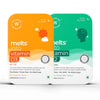 Essential Vitamins
₹1,298
Essential Vitamins
₹1,298
 Marvel Natural B12+ D3
₹559 – ₹1,118
Marvel Natural B12+ D3
₹559 – ₹1,118
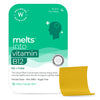 Vitamin B12
₹649 – ₹1,233
Vitamin B12
₹649 – ₹1,233