Feeling tired all the time? Getting unusually breathless on stairs? Finding more hair on your pillow? Or suddenly craving ice?
Your body may be trying to tell you something.
Iron deficiency is one of the most common nutrient deficiencies worldwide, and it does not always begin with obvious anaemia. Your iron stores can fall before haemoglobin drops enough to meet the definition of iron deficiency anaemia. That is why you can sometimes feel unlike yourself even when a routine haemoglobin result looks "normal."
Iron has a pretty important job. It is part of haemoglobin, the protein in red blood cells that carries oxygen around your body. It also supports normal energy metabolism, muscle function, cognitive function and immune function.
Women who menstruate, pregnant women, frequent blood donors, people with low dietary iron intake and people with conditions that affect iron absorption or cause blood loss can be particularly vulnerable. [NIH]
And India has a substantial anaemia burden. Recent NFHS-based analysis found anaemia among women of reproductive age remained high, although anaemia is not synonymous with iron deficiency and can have several causes.
So, what are the signs of iron deficiency worth paying attention to?
1. You are tired even after a decent night's sleep
This is probably the most recognisable clue, but it is also the easiest to dismiss.
Iron deficiency can affect oxygen delivery and energy metabolism, which may leave you feeling unusually drained, weak or low on energy. Importantly, fatigue can occur even before full-blown iron deficiency anaemia develops. [NIH]
Human trials have found that correcting iron deficiency can improve fatigue in some iron-deficient women, including women who were not anaemic. [NIH]
2. Your usual workout suddenly feels harder
Did your regular walk, workout or flight of stairs suddenly start feeling like a much bigger task?
Iron is involved in oxygen transport and muscle function. Iron depletion has been associated with reduced exercise tolerance and greater muscle fatigue, even in people who are not yet anaemic. [NIH]
So, if your fitness has not changed but your stamina has, iron status is one factor worth checking.
3. You feel breathless, dizzy or notice your heart racing
Feeling short of breath during ordinary activity, experiencing dizziness or noticing unusual heart palpitations can occur with iron deficiency anaemia because the blood's oxygen-carrying capacity falls as haemoglobin decreases. [NIH]
But these symptoms are not specific to iron deficiency. Thyroid problems, vitamin deficiencies, dehydration, heart conditions and other issues can cause similar symptoms.
That is why this is a clue, not a conclusion.
4. Your brain feels strangely foggy
You know that feeling when you are technically awake, but your brain is running on 27 tabs and none of them are loading?
Difficulty concentrating, poor memory and trouble staying mentally sharp are recognised features of iron deficiency anaemia. [NIH]
Iron is involved in several processes in the brain, so low iron is not simply an "energy" problem.
If you have persistent brain fog alongside fatigue, checking iron status can be worth discussing with your healthcare professional.
5. Your hair seems to be shedding more than usual
Hair loss has many possible causes, including stress, thyroid disorders, hormonal changes, illness and inadequate protein intake.
But low iron stores have also been associated with diffuse hair shedding in some human studies, particularly in women. [NIH]
This is one of those 5 weird signs of iron deficiency that gets talked about online, but it needs context. Hair fall alone does not mean you are iron deficient. If increased shedding is persistent, checking ferritin along with other relevant tests may help identify what is going on.
6. Your legs feel restless when you are trying to sleep
An uncontrollable urge to move your legs, crawling or pulling sensations, or discomfort that becomes worse when you are resting can be signs of restless legs syndrome.
Iron status is closely linked with this condition, and clinical studies have found that treating iron deficiency can improve symptoms in some people. [NIH]
If your legs seem to have developed their own bedtime agenda, it is worth mentioning this to your doctor.
7. You crave things that are not really food
This one sounds bizarre until you know it has a name.
Pica is the persistent craving or consumption of non-food substances. Ice chewing, called pagophagia, is one of the better-known examples associated with iron deficiency. [NIH]
It is not completely understood why these cravings occur, but pica has been repeatedly linked with iron deficiency and may improve when the deficiency is corrected. [NIH]
So yes, suddenly wanting to crunch through a bowl of ice every evening can be more than just a quirky habit.
What causes iron deficiency?
Knowing the iron deficiency causes matters because simply adding more iron may not solve the underlying problem.

Food for iron deficiency: start with the plate
Food can be an important part of rebuilding iron intake. Iron comes in two forms: heme iron, found mainly in meat and seafood, and non-heme iron, found in plant foods and fortified foods. Heme iron is generally better absorbed. [NIH]

Iron absorption helpers vs. blockers
Getting iron onto your plate is only half the story. Absorption matters too.
HELPERS
-
Vitamin C: pair plant-based iron with tomatoes, citrus, guava, capsicum or broccoli.
-
Meat, fish or poultry: can improve absorption of non-heme iron when eaten in the same meal.
BLOCKERS
-
Tea and coffee: polyphenols can reduce non-heme iron absorption, particularly when consumed with the meal.
-
Calcium: can interfere with iron absorption under some dietary conditions. [NIH]
You do not need to ban your morning coffee forever. The smarter move is to avoid routinely taking tea or coffee alongside your main iron-rich meal or iron supplement.
When food isn't enough
If blood tests confirm iron deficiency or iron deficiency anaemia, your healthcare professional may recommend an iron supplement.
A liposomal iron supplement is one formulation to discuss if conventional oral iron causes gastrointestinal discomfort. Some human studies suggest liposomal iron can be better tolerated than certain conventional iron preparations, although the evidence is still developing and not every formulation behaves identically.
If swallowing tablets is your biggest obstacle, an iron melts strip can be another convenient format. But convenience should not be the only deciding factor. Check the elemental iron amount and whether the formulation is appropriate for your needs.
Most importantly, do not start high-dose iron simply because you recognise a few symptoms. A blood test can help distinguish iron deficiency from other causes of fatigue, hair loss or brain fog.
How do you know if you actually need iron?
Symptoms can raise the question. Blood tests answer it more clearly.
A healthcare professional may look at markers such as haemoglobin, ferritin and transferrin saturation alongside your symptoms and medical history. [NIH]
The goal is not simply to chase a number. It is to understand whether your iron stores are low, why they became low and what the most appropriate way to correct them is.
Key takeaways
-
Fatigue is one of the most common signs of iron deficiency, but you can have low iron even without anaemia.
-
Hair shedding, restless legs and unusual cravings such as ice can also be clues.
-
Heavy periods, pregnancy, low dietary intake, blood loss and poor absorption are important iron deficiency causes.
-
Pair plant-based iron with vitamin C and avoid tea or coffee alongside iron-rich meals when possible.
-
Symptoms are clues, not proof. Ferritin, haemoglobin and other iron markers can help confirm what is actually happening.
FAQs
1. What are the most common signs of iron deficiency?
Fatigue, weakness, reduced stamina, difficulty concentrating and breathlessness can occur, particularly when deficiency progresses to anaemia.
2. What are some unusual signs of iron deficiency?
Ice cravings, restless legs and increased hair shedding are some less obvious clues associated with low iron.
3. Can you have iron deficiency without anaemia?
Yes. Iron stores can become depleted before haemoglobin falls enough to meet the criteria for iron deficiency anaemia.
4. What causes iron deficiency anaemia?
Common causes include blood loss, heavy menstrual periods, increased requirements during pregnancy, inadequate dietary intake and impaired iron absorption.
5. What is the best food for iron deficiency?
There is no single best food. Meat and seafood provide highly bioavailable heme iron, while lentils, beans, tofu, spinach and fortified foods provide non-heme iron.
6. Does vitamin C help iron absorption?
Yes. Vitamin C can enhance the absorption of non-heme iron, particularly from plant-based foods.
7. Should I avoid tea if I have low iron?
You do not necessarily need to avoid it completely. Keeping tea and coffee away from iron-rich meals or iron supplements can help reduce their effect on iron absorption.
8. Is a liposomal iron supplement better?
Some human studies suggest liposomal iron may be better tolerated than certain conventional iron formulations. Suitability depends on the individual and the specific product.
9. Can iron deficiency cause hair loss?
Low iron stores have been associated with diffuse hair shedding in some human studies, but hair loss has many possible causes.
10. Is iron deficiency anaemia a disease caused by deficiency of iron?
Iron deficiency anaemia is a condition that develops when iron stores become insufficient to support normal haemoglobin production. It is one type of anaemia, and other causes of anaemia also exist.

Recommended Products
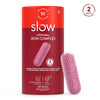 Liposomal Iron Complex |Pack of 60 Capsules
₹969 – ₹1,898
Liposomal Iron Complex |Pack of 60 Capsules
₹969 – ₹1,898
 Vital Iron
₹649 – ₹1,298
Vital Iron
₹649 – ₹1,298