The first rains feel magical.
The weather gets cooler, chai suddenly tastes better, and comfort food cravings hit differently. Crispy pakoras, pani puri, roadside momos, spicy chaats, and creamy desserts somehow become irresistible.
But here's something most people don't realize.
The monsoon is not just a change in weather. It is also one of the biggest seasonal shifts for your gut.
Humidity rises. Harmful bacteria multiply faster. Drinking water contamination becomes more common. Fresh produce spoils quicker. Even your digestive system naturally slows down during this season.
That explains why stomach infections, food poisoning, bloating, acidity, diarrhea, and indigestion become much more common during the rainy months.
The good news? You don't need to stop enjoying food.
You simply need to know what foods to avoid during monsoon, what foods are safer choices, and how to support your gut through the season.
Let's break it down.
Why Does Digestion Feel Different During Monsoon?
According to Ayurveda, digestive fire, or Agni, weakens during the rainy season. Interestingly, modern science agrees in its own way.
Warm temperatures combined with high humidity create ideal conditions for bacteria, molds, and fungi to grow rapidly. Fresh produce, dairy, cooked meals, and street food become more vulnerable to contamination if not handled properly.
Your digestive system also has to work harder against these microbial challenges.
This is why many people experience:
-
Bloating
-
Gas
-
Food poisoning
-
Loose motions
-
Acidity
-
Sluggish digestion
-
Frequent stomach discomfort
Instead of following restrictive diets, the goal should be reducing your exposure to foods that carry a higher contamination risk.

1. Raw Leafy Salads Can Become Riskier During Monsoon
Salads are healthy, but timing matters.
Leafy vegetables like spinach, lettuce, cabbage, coriander, and mint have many folds and crevices where mud, insects, and microbes can hide. During monsoon, these vegetables are exposed to contaminated rainwater and damp storage conditions that increase microbial growth.
Unless thoroughly cleaned and disinfected, raw salads may carry unwanted bacteria.
Better alternative
Choose lightly sautéed or steamed vegetables instead.
Cooking significantly lowers microbial load while preserving most nutrients.
2. Street Food Deserves Extra Caution
This might be the hardest one.
Street food is often made fresh, but hygiene varies widely. During monsoon, contaminated water, reused frying oil, uncovered ingredients, and increased fly activity can raise the risk of foodborne illness.
Pani puri deserves special mention.
The spicy water itself contains herbs and spices that may offer digestive benefits. The problem isn't the ingredients. It is the water. If contaminated, it can quickly become a source of bacterial or viral infections.
Enjoy it occasionally from trusted vendors with good hygiene practices.
3. Cut Fruits Sitting in the Open
Those beautifully sliced fruit cups sold outside may look refreshing.
Unfortunately, once fruit is cut, its protective skin is gone.
In humid weather, exposed fruits become an ideal surface for bacteria and yeast to multiply, especially when left at room temperature.
Better choice
Buy whole fruits and cut them fresh at home.

4. Seafood Spoils Faster Than You Think
Fish and shellfish naturally contain bacteria that multiply rapidly if the cold chain breaks.
During monsoon, transportation delays and fluctuating temperatures increase spoilage risk.
If seafood is not extremely fresh, food poisoning becomes much more likely.
Choose seafood only from reliable sources and cook it thoroughly.
5. Fried Foods Can Upset Your Gut
Yes, those hot pakoras are comforting.
But eating deep fried foods every day isn't.
High fat meals slow stomach emptying, making you feel heavy and bloated. They can also worsen acidity and indigestion, especially when digestion is already sluggish during monsoon.
Instead of avoiding fried food completely, enjoy it occasionally and balance the rest of your meals with lighter options.
6. Unpasteurized Dairy and Homemade Soft Cheeses
Milk products spoil quickly in humid weather.
If dairy has not been refrigerated properly, bacteria can multiply surprisingly fast.
Always choose pasteurized dairy and refrigerate it promptly after use.
Fresh homemade paneer should also be consumed within a day.
7. Leftovers That Have Been Sitting Out
Many people assume reheating makes food completely safe.
Not always.
Some bacteria produce toxins that remain even after reheating.
Cook only what you need and refrigerate leftovers within two hours.
When in doubt, throw it out.
8. Excessively Sugary Foods
Desserts are comforting, but too much sugar can influence your gut microbiome.
High sugar diets may encourage the growth of less beneficial gut bacteria while reducing microbial diversity over time.
Enjoy sweets mindfully rather than making them a daily habit.
So, What Should You Eat Instead?
Knowing the foods to eat and foods to avoid in monsoon helps you build meals that are satisfying and easier on your gut.
Some practical swaps include:
|
Instead of |
Try This |
|
Raw salads |
Steamed vegetables |
|
Street chaat |
Homemade roasted chaat |
|
Cold smoothies |
Warm soups |
|
Fried snacks |
Roasted makhana or chana |
|
Sugary desserts |
Fresh seasonal fruit |
|
Cold drinks |
Ginger, tulsi, or cinnamon herbal tea |
Don't Forget Your Gut Microbiome
Here's something many people overlook.
Your gut is home to trillions of bacteria that help digest food, produce vitamins, strengthen immunity, and protect against harmful microbes.
Supporting these beneficial bacteria becomes even more important during monsoon.
You can naturally nourish your gut by eating:
-
Yogurt made from pasteurized milk
-
Fermented foods prepared hygienically
-
Whole grains
-
Lentils
-
Fruits
-
Vegetables
-
Oats
-
Nuts
-
Seeds
Alongside a balanced diet, some people may also benefit from a gut health supplement that combines probiotics, prebiotics, and dietary fiber.
High quality probiotic capsules or prebiotic probiotic tablets can help replenish beneficial bacteria, while a daily fiber supplement provides nourishment for those microbes to thrive. They are not a replacement for healthy eating, but they can complement a gut friendly lifestyle, especially when dietary fiber intake is low.
Small Habits That Make a Big Difference
The best monsoon diet isn't complicated. It is simply more mindful.
Wash produce thoroughly.
Eat freshly cooked meals.
Avoid food sitting at room temperature for long periods.
Stay hydrated with safe drinking water.
Cook vegetables well.
Eat seasonal fruits freshly cut at home.
Listen to your gut. If something smells, looks, or tastes off, don't risk it.
When you consistently follow these habits, your digestive system has a much better chance of staying healthy throughout the rainy season.
The goal isn't to fear food.
It is to enjoy the season without letting your gut pay the price.
Key Takeaways
-
Food safety matters more than ever during monsoon. Humidity increases bacterial growth and contamination risk.
-
Raw salads, street food, exposed fruits, and poorly stored leftovers are among the biggest foods to avoid in rainy season.
-
Freshly cooked meals, warm foods, and properly cleaned produce are generally safer choices.
-
Supporting your gut microbiome through fiber rich foods, fermented foods, and probiotics can help maintain digestive balance.
-
Knowing the right foods to eat and foods to avoid in monsoon lets you enjoy the season without compromising your health.
Frequently Asked Questions
1. What food should I avoid during monsoon?
Avoid raw leafy salads, unhygienic street food, exposed cut fruits, improperly stored leftovers, spoiled dairy, and undercooked seafood.
2. Why is street food riskier during monsoon?
Rainwater contamination, higher humidity, poor food storage, and unsafe water can increase the risk of foodborne infections.
3. Can I eat leafy vegetables during monsoon?
Yes. They are nutritious but should be washed thoroughly and preferably cooked instead of eaten raw.
4. Is yogurt good during monsoon?
Yes. Fresh yogurt made from pasteurized milk is generally safe and can contribute beneficial bacteria to the gut.
5. Which fruits are safest during rainy season?
Whole fruits like bananas, apples, pears, and pomegranates that are washed and cut fresh at home are good choices.
6. Should I completely avoid fried foods?
No. Enjoy them occasionally, but frequent intake may worsen bloating and indigestion during monsoon.
7. Are probiotic capsules useful during monsoon?
For some people, probiotic capsules may help support gut microbial balance, particularly after illness or if dietary intake of fermented foods is limited. Choose clinically studied strains and consult a healthcare professional if you have underlying medical conditions.
8. Does a fiber supplement support gut health?
A quality fiber supplement can help increase daily fiber intake and provide nourishment for beneficial gut bacteria, especially if your diet lacks enough fruits, vegetables, legumes, and whole grains.
9. Why does digestion become slower during monsoon?
Changes in weather, reduced physical activity, dietary habits, and increased exposure to foodborne microbes can all contribute to digestive discomfort during the rainy season.
10. What are the best foods to eat and to avoid in monsoon?
Choose freshly cooked meals, soups, whole grains, lentils, cooked vegetables, fruits cut fresh at home, and hygienically prepared fermented foods. Limit raw salads, street food, sugary treats, stale leftovers, and poorly stored seafood or dairy.

Recommended Products
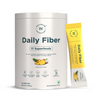 Daily Fiber | Pina Colada Flavour
₹872 – ₹1,708
Daily Fiber | Pina Colada Flavour
₹872 – ₹1,708
 Daily Fiber | Vanilla Berry Flavour
₹872 – ₹1,708
Daily Fiber | Vanilla Berry Flavour
₹872 – ₹1,708
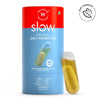 Daily Probiotic Slow
₹1,357 – ₹2,658
Daily Probiotic Slow
₹1,357 – ₹2,658
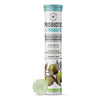 Probiotic + Prebiotic
₹664 – ₹3,355
Probiotic + Prebiotic
₹664 – ₹3,355