Your skin is constantly rebuilding itself. Every day, it is making new cells, maintaining its barrier, managing moisture and responding to everything from sunlight and pollution to stress and sleep.
So, when people ask for the best diet for glowing skin, the answer is rarely one magical food. It is what your diet consistently gives your skin to work with.
And one nutrient deserves particular attention here: collagen.
Collagen is the main structural protein in skin. It helps provide the framework that supports firmness and elasticity. Your body makes collagen from amino acids, and nutrients such as vitamin C are required for collagen biosynthesis.
This is why a skin-friendly diet should not simply be about eating foods labelled "beauty foods". It should provide enough protein, colourful plant foods, healthy fats, fluids and micronutrients that support normal skin structure and function.
That also explains why collagen powder can be discussed alongside food, but not instead of food. Research on oral hydrolysed collagen has found improvements in skin hydration and elasticity in several trials, although newer reviews also highlight limitations in study quality and funding.
In other words, think of collagen as one possible addition to a good diet, not a substitute for one.
So, what is the best diet for skin?
Think less about a strict "skin diet" and more about building a plate that regularly covers five bases: protein, plants, healthy fats, hydration and enough overall nutrition.
That can look surprisingly Indian.
Your dal does not need to be replaced by a smoothie bowl. Your roti does not need to disappear. A bowl of curd, seasonal vegetables, fruit, nuts, seeds and a well-cooked curry can do far more for your diet than chasing expensive "superfoods".
1. Start with protein because skin is built from it
Collagen gets all the attention, but your body needs amino acids to make its own proteins, including collagen.
That makes protein one of the foundations of a diet for healthy skin and hair.
For an Indian diet, this can mean dal, rajma, chana, soy, tofu, paneer, curd, eggs, fish or chicken depending on your preference.
Try making protein part of every major meal rather than leaving it for dinner. A breakfast of besan chilla with curd, lunch with dal and dinner with paneer or fish gives your body repeated sources of amino acids across the day.
2. Make your plate colourful, not just green
If your idea of a diet for glowing skin begins and ends with spinach, it is time to add more colour.
Tomatoes, carrots, pumpkin, papaya, sweet potatoes, guava, oranges, berries, capsicum and leafy greens bring different carotenoids and other plant compounds to the diet. Carotenoids from fruits and vegetables are deposited in the skin, and research suggests they may contribute to protection against oxidative and UV-related damage.

So your everyday tomato curry, rasam or dal is doing more than adding flavour.
3. Don't fear healthy fats
Skin needs lipids to maintain its barrier. That makes healthy fats an important part of a balanced diet for skin, particularly if your diet has become overly restrictive.
Use foods such as walnuts, almonds, chia seeds, flaxseeds, sesame seeds and fatty fish such as sardines or salmon.
For an Indian meal, add crushed flaxseed to curd, use a handful of nuts as a snack or add sesame seeds to vegetables.
The goal is not to pour oil over everything. It is to include sensible sources of fats regularly.
4. Your gut belongs in the skin conversation
The gut and skin are not completely separate systems. Research into the gut-skin connection is increasingly looking at how the microbiome, inflammation and the skin barrier interact. Dietary patterns containing fibre, prebiotics and fermented foods are therefore worth paying attention to.
This is where ordinary foods become useful.
Onions, garlic, bananas, oats, legumes and vegetables provide prebiotic fibres. Curd and other fermented foods can contribute beneficial microorganisms, depending on the product.
A prebiotic and probiotic tablet may be useful in specific situations, but it should not become an excuse to eat a low-fibre diet. Feed your gut microbes first.

5. What should you eat for acne-prone skin?
There is no universally proven diet for acne free skin, but your overall carbohydrate quality may matter.
A systematic review found that high-glycaemic diets were associated with acne development and severity, while the evidence around dairy was more mixed and appeared to vary between populations. [NIH]
That does not mean you need to ban rice, potatoes or mangoes.
It means looking at the bigger meal.
Instead of a breakfast of sweetened cereal and a sugary drink, try vegetable poha with peanuts and curd. Instead of biscuits as your everyday snack, choose fruit with nuts or roasted chana.
For diet for clear and glowing skin, the pattern matters more than one food.
6. What about oily skin?
If you have oily skin, changing your diet cannot switch off your sebaceous glands overnight.
But a diet built around minimally processed foods, adequate protein, vegetables, fruits, whole grains, legumes and healthy fats is a better foundation than one dominated by sugary drinks, refined snacks and highly processed foods.
So a diet for oily skin should not mean a fat-free diet. Your skin still needs dietary fats.
Think balance, not elimination.
7. And what about dry skin?
For a diet for dry skin, hydration and adequate dietary fat deserve attention.
Water is essential, but drinking excessive amounts does not automatically translate into perfect skin. A systematic review found that additional fluid intake may modestly increase skin hydration, particularly in people who were previously drinking less, although the overall evidence remains limited.
Alongside fluids, include foods such as nuts, seeds, curd, avocado when available, and fatty fish.
And remember that very dry skin can have causes that food alone cannot address.
A simple 7-day diet plan for glowing skin
Rather than creating a restrictive 7-day diet plan for glowing skin, use a rotation that keeps meals familiar.
Add seasonal fruit through the week and rotate your vegetables rather than eating the same two every day.
That is a far more sustainable diet chart for glowing skin than surviving on juices, salads and expensive powders.
Where do supplements fit?
Supplements can have a place, but they should sit on top of a good diet.
A collagen powder may be considered if you want to supplement your dietary protein and collagen intake, particularly because several clinical trials have reported improvements in skin hydration and elasticity, although the evidence is not uniformly positive.
A glutathione supplement or NAC supplement is sometimes marketed specifically for skin brightness and antioxidant support, but the evidence for cosmetic skin outcomes is considerably less established than the evidence for simply eating a nutrient-dense diet.
The same principle applies to a prebiotic and probiotic tablet. It can complement a good diet, but it cannot compensate for consistently low fibre and poor dietary variety.
The real best diet for glowing skin
There is no single best diet for healthy skin and hair.
There is, however, a pattern that makes sense: enough protein, plenty of colourful vegetables and fruit, legumes and whole grains, healthy fats, adequate fluids and fewer highly processed, sugary foods.
And perhaps the most useful shift is this: stop asking which food will make your skin glow.
Ask whether your everyday meals are giving your skin the raw materials it needs to maintain itself.
That is where a food diet for glowing skin becomes sustainable, practical and much more interesting than another list of "superfoods".
Key takeaways
-
The best diet for skin is a balanced eating pattern, not a restrictive beauty diet.
-
Protein matters because your body needs amino acids to build structural proteins such as collagen.
-
Colourful vegetables and fruits provide carotenoids and other plant compounds that support skin health.
-
For a diet for acne free skin, prioritise minimally processed, lower-glycaemic meals rather than eliminating entire food groups.
-
Supplements such as collagen, probiotics, glutathione or NAC may have a role, but they work best as additions to a nutritious diet, not replacements for it.
FAQs
1. What is the best diet for glowing skin?
A balanced diet containing adequate protein, vegetables, fruits, whole grains, legumes, healthy fats and sufficient fluids is the best foundation for healthier-looking skin.
2. Which food is best for clear and glowing skin?
There is no single best food. Tomatoes, colourful vegetables, fruits, nuts, seeds, legumes and protein-rich foods can all contribute to a diet for clear glowing skin.
3. Is collagen good for skin?
Oral hydrolysed collagen has shown potential to improve skin hydration and elasticity in several clinical trials, although the quality and consistency of evidence vary.
4. What should I eat for acne-prone skin?
Focus on balanced meals built around vegetables, protein, legumes, whole grains and minimally processed foods. Evidence suggests that high-glycaemic dietary patterns may worsen acne in some people.
5. Is there a specific diet for oily skin?
There is no established diet for oily skin that can directly control sebum production. A balanced diet with fewer highly processed and sugary foods is a sensible foundation.
6. What is the best diet for dry skin?
A diet for dry skin should provide adequate fluids, protein and healthy fats from foods such as nuts, seeds, curd and fatty fish.
7. Can diet improve skin and hair together?
Yes. A balanced diet provides protein, essential fats, vitamins and minerals required for normal skin and hair structure and maintenance. However, persistent hair loss or skin changes may require medical evaluation.
8. Do I need collagen powder for glowing skin?
Not necessarily. Your body makes collagen from amino acids obtained through protein-containing foods. Collagen powder can be considered an optional supplement rather than a dietary requirement.
9. Can probiotics help skin?
Research on oral probiotics and acne is promising but still evolving. Recent meta-analyses suggest potential improvements in acne severity, but the evidence is not strong enough to treat probiotics as a standalone acne solution.
10. How quickly can a diet change my skin?
There is no universal timeline. Skin turnover, nutrient status, acne activity, sleep, stress, hormones and skincare all influence what you see. A consistent dietary pattern is more meaningful than expecting a visible change after a few days.

Recommended Products
 Beauty Collagen Strawberry Watermelon Flavour
₹1,939 – ₹7,196
Beauty Collagen Strawberry Watermelon Flavour
₹1,939 – ₹7,196
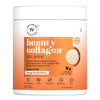 Beauty Korean Marine Collagen Peptides Mango Peach Flavour
₹1,939 – ₹7,196
Beauty Korean Marine Collagen Peptides Mango Peach Flavour
₹1,939 – ₹7,196
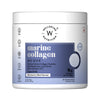 Korean Marine Collagen - Blueberry Mint
₹1,018 – ₹1,993
Korean Marine Collagen - Blueberry Mint
₹1,018 – ₹1,993
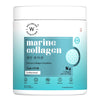 Pure Korean Marine Collagen Peptides | Unflavored | Combat Signs of Ageing
₹1,745 – ₹6,476
Pure Korean Marine Collagen Peptides | Unflavored | Combat Signs of Ageing
₹1,745 – ₹6,476
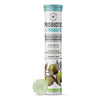 Probiotic + Prebiotic
₹664 – ₹3,355
Probiotic + Prebiotic
₹664 – ₹3,355
 Slow Advanced N-Acetyl-Cysteine + Glycine Capsules
₹1,357 – ₹2,658
Slow Advanced N-Acetyl-Cysteine + Glycine Capsules
₹1,357 – ₹2,658