Most people think antioxidants begin and end with vitamin C.
That's only part of the story.
Vitamin C is an important antioxidant, but your body depends on an entire defense network that works around the clock. Every breath you take, every workout you finish, every stressful day at work, and even normal metabolism produces unstable molecules called free radicals. Left unchecked, they can damage cells, proteins, fats, and even DNA.
That's exactly why are antioxidants important. They're not just about preventing a cold. They're part of your body's everyday maintenance system that protects your cells, supports healthy aging, strengthens immunity, and keeps tissues functioning the way they should.
Antioxidants Are Working Every Second
Your body is surprisingly good at handling damage. Until it isn't.
Every cell generates energy inside tiny structures called mitochondria. During this process, a small number of oxygen molecules become unstable. These unstable molecules are known as free radicals or reactive oxygen species (ROS).
In small amounts, ROS are actually useful. They help your immune system fight infections and allow cells to communicate with one another.
Problems begin when they accumulate faster than your body can neutralize them.
This imbalance is called oxidative stress, and it's one of the reasons researchers link poor diet, pollution, smoking, chronic stress, inadequate sleep, and aging with declining health.
This explains what are antioxidants and why are they important. Antioxidants donate an electron to unstable free radicals without becoming unstable themselves. That simple action stops a chain reaction of cellular damage (NIH).
Think of them as the body's quality-control team, constantly repairing small problems before they become bigger ones.

Why Do We Need Antioxidants If Our Body Makes Them Naturally?
One common misconception is that dietary antioxidants aren't necessary because the body already produces them.
That's only partly true.
Your body makes powerful antioxidants like glutathione, superoxide dismutase (SOD), and catalase. But their production naturally declines with age and can also decrease during illness, chronic stress, poor nutrition, pollution exposure, excessive alcohol intake, and smoking.
At the same time, your exposure to oxidative stress keeps increasing.
This imbalance is exactly why do we need antioxidants from food as well.
Colorful fruits, vegetables, herbs, spices, nuts, seeds, tea, and certain supplements provide antioxidant compounds that work alongside your body's own defense systems rather than replacing them.
Vitamin C Is Important, But It Doesn't Work Alone
Vitamin C often gets all the attention because it's one of the most researched antioxidants. But antioxidant defense is more like an orchestra than a solo performance.
Different antioxidants protect different parts of the cell.
-
Vitamin C works mainly in water-rich areas like blood and tissues (NIH).
-
Vitamin E protects fatty cell membranes (NIH).
-
Glutathione works inside almost every cell (NIH).
-
Selenium supports antioxidant enzymes (NIH).
-
Polyphenols from berries, green tea, cocoa, turmeric, and spices activate the body's own antioxidant defenses (NIH).
One fascinating interaction is that vitamin C can actually help regenerate vitamin E after it neutralizes a free radical, allowing vitamin E to continue protecting cells.
That's another reason why antioxidant is important as a complete network rather than relying on a single nutrient.

Glutathione: Your Body's Master Antioxidant
Glutathione is made from three amino acids: glutamine, cysteine, and glycine.
Nearly every cell depends on it.
It supports:
-
Detoxification in the liver
-
Immune cell function
-
Protection against oxidative stress
-
Healthy skin
-
Energy production inside mitochondria
Unfortunately, glutathione levels gradually decline with age.
This is one reason many people look for a glutahione supplement, particularly when dietary intake and lifestyle alone may not be enough to support optimal levels.
Instead of supplying glutathione directly, another strategy is providing the raw materials your body needs to make more of it.
One of the most studied nutrients for this purpose is NAC supplement.
Why NAC Gets So Much Attention
N-acetyl cysteine (NAC) is a stable form of cysteine, one of the key building blocks required for glutathione production. Rather than acting as an antioxidant itself, NAC helps your body produce more glutathione (NIH).
Clinical research has explored NAC supplement by:
-
34.9% decrease in number of tender joints (NIH)
-
10% decrease in fasting blood glucose (NIH)
-
16% decrease in IL-6 (inflammatory marker) (NIH)
This makes NAC different from taking antioxidants directly. It helps strengthen your body's own antioxidant system from within.
Vitamin C and Zinc: A Popular Pair for Good Reason
Vitamin C and zinc are often paired together because they support complementary functions.
Vitamin C helps protect immune cells from oxidative stress, while zinc plays an important role in normal immune cell development and function.
That's why vitamin c zinc tablets remain one of the most commonly used nutritional combinations, especially during seasonal changes.
Neither nutrient replaces the other.
Together, they help maintain a healthy immune response while supporting antioxidant protection.
Antioxidants Matter for Skin Too
Skin is constantly exposed to sunlight, pollution, smoke, and environmental stressors.
These factors generate free radicals that gradually damage collagen and elastin, contributing to wrinkles, pigmentation, and loss of firmness.
That's where antioxidants become especially valuable.
-
Vitamin C supports collagen formation.
-
Polyphenols help reduce oxidative stress.
-
Glutathione supports cellular protection.
This is one reason a quality collagen supplement often includes antioxidant ingredients instead of collagen alone.
Healthy collagen depends not only on building new collagen but also on protecting existing collagen from oxidative damage.
Matcha Is More Than Just Green Tea
Matcha contains exceptionally high levels of catechins, especially EGCG (epigallocatechin gallate), one of the best-studied plant antioxidants.
Unlike regular green tea, you're consuming the entire powdered leaf, providing a higher concentration of antioxidant compounds.
Combining antioxidants with collagen has also become increasingly popular, which explains the growing interest in matcha collagen products.
The antioxidants help defend collagen from oxidative damage while collagen provides amino acids needed for skin structure.

How to Support Your Body's Antioxidant System
Instead of relying on one nutrient, focus on variety.
Aim to include:
-
Brightly colored fruits like berries, oranges, amla, and pomegranate
-
Green leafy vegetables
-
Tomatoes
-
Nuts and seeds
-
Turmeric and spices
-
Green tea or matcha
-
Adequate protein to support glutathione production
-
Foods rich in selenium such as eggs and seafood
When dietary intake falls short or requirements increase, targeted options such as a NAC supplement, glutahione supplement, vitamin c zinc tablets, or antioxidant-rich formulations may help bridge nutritional gaps under professional guidance.
Key Takeaways
-
Why are antioxidants important goes far beyond preventing the common cold. They protect cells from everyday oxidative damage.
-
Your body naturally produces antioxidants, but aging and lifestyle factors can reduce this defense.
-
Vitamin C is only one part of a much larger antioxidant network.
-
Glutathione is your body's master antioxidant, and NAC supplement helps support its production.
-
Antioxidants also protect collagen, making them valuable partners alongside a collagen supplement.
-
Eating a colorful, plant-rich diet remains one of the best ways to support long-term antioxidant health.
Conclusion
The conversation around antioxidants has focused on vitamin C for decades.
But your body doesn't rely on one antioxidant. It depends on a coordinated network where vitamins, minerals, enzymes, plant compounds, and glutathione all work together to protect your cells every single day.
Understanding what are antioxidants and why are they important shifts the goal from taking one nutrient to supporting the entire system. The better that system functions, the better your body can respond to everyday stress, aging, environmental exposure, and recovery.
Small choices, like eating more colorful foods, prioritizing quality protein, sleeping well, and using evidence-based supplements when appropriate, can help keep that defense network working at its best.
FAQs
Why are antioxidants important for overall health?
Antioxidants protect cells from damage caused by free radicals. This helps support healthy aging, immunity, heart health, brain function, skin health, and overall cellular function.
What are antioxidants and why are they important?
Antioxidants are compounds that neutralize unstable molecules called free radicals. Without adequate antioxidant protection, excess oxidative stress can damage cells and contribute to aging and chronic disease.
Why do we need antioxidants every day?
Your body produces free radicals continuously through normal metabolism. Daily exposure to pollution, sunlight, stress, and processed foods also increases oxidative stress, making regular antioxidant intake important.
Is vitamin C the most important antioxidant?
Vitamin C is one of the most important antioxidants, but it works alongside vitamin E, glutathione, selenium, polyphenols, and many other antioxidant compounds.
What foods are highest in antioxidants?
Berries, amla, pomegranate, spinach, kale, tomatoes, green tea, matcha, turmeric, dark chocolate, walnuts, and colorful vegetables are all rich sources of antioxidants.
Is a NAC supplement better than glutathione?
A NAC supplement helps the body produce its own glutathione by supplying cysteine, while a glutahione supplement provides glutathione directly. The better choice depends on individual health needs and should be discussed with a healthcare professional.
Can antioxidants improve skin health?
Yes. Antioxidants help reduce oxidative stress that contributes to collagen breakdown, premature aging, and UV-induced skin damage. They're often combined with a collagen supplement for complementary benefits.
Are vitamin C zinc tablets good for immunity?
Yes. Vitamin c zinc tablets combine two nutrients that support normal immune function. Vitamin C provides antioxidant protection, while zinc supports immune cell development and activity.
Is matcha rich in antioxidants?
Yes. Matcha collagen and plain matcha both contain catechins, especially EGCG, one of the most potent plant antioxidants studied for cellular protection.
Can you get enough antioxidants through diet alone?
Many people can meet their antioxidant needs through a varied diet rich in fruits, vegetables, herbs, spices, nuts, seeds, and tea. Supplements may be useful in certain situations where dietary intake is insufficient or requirements are increased.

Recommended Products
 Slow Advanced N-Acetyl-Cysteine + Glycine Capsules
₹1,357 – ₹2,658
Slow Advanced N-Acetyl-Cysteine + Glycine Capsules
₹1,357 – ₹2,658
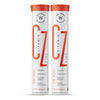 Organic Vitamin C + Zinc
₹758 – ₹2,035
Organic Vitamin C + Zinc
₹758 – ₹2,035
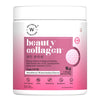 Beauty Collagen Strawberry Watermelon Flavour
₹1,939 – ₹7,196
Beauty Collagen Strawberry Watermelon Flavour
₹1,939 – ₹7,196
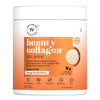 Beauty Korean Marine Collagen Peptides Mango Peach Flavour
₹1,939 – ₹7,196
Beauty Korean Marine Collagen Peptides Mango Peach Flavour
₹1,939 – ₹7,196
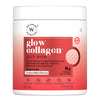 Glow Korean Marine Collagen Peptides with Liposomal Glutathione & Vitamin C | Tropical Bliss Flavour | 250g
₹1,939 – ₹7,196
Glow Korean Marine Collagen Peptides with Liposomal Glutathione & Vitamin C | Tropical Bliss Flavour | 250g
₹1,939 – ₹7,196
 Matcha Collagen
₹1,614
Matcha Collagen
₹1,614