If you’re a parent, you’ve probably heard everything, from “kids need a glass of milk for strong bones” to “nutrition drinks are just fancy sugar.” In the noisy world of parenting advice, kids nutrition is one of the most misunderstood topics.
The result? Confused parents, picky eaters, and children who may look fine on the outside but are running low on critical nutrients inside. So, let’s cut through the myths and focus on what actually supports growth, immunity, focus, and long-term health.
This is nutrition for kids, decoded with science, not fear.
Myth 1: “If My Child Is Eating Enough, Their Nutrition Is Sorted”

Calorie intake ≠ nutrient sufficiency.
Many children today consume energy-dense but nutrient-poor foods. Research shows that even children with normal growth charts can be deficient in iron, zinc, vitamin D, omega-3 fatty acids, and B vitamins, nutrients critical for immunity, cognition, and metabolism (NIH).
This is why kids nutrition is measured not by plate size, but by nutrient density.
True nutrition for kids fuels brain development, immune defense, and cellular growth, not just body weight.
Myth 2: “Real Food Alone Always Meets All Nutritional Needs”

In an ideal world, yes. In the modern world, not always.
Soil depletion has reduced mineral content in fruits and vegetables. Add picky eating, rushed meals, and screen-time snacking, makes the nutritional gaps wide. Studies consistently show shortfalls in iron, calcium, vitamin D, and omega-3s even in children eating “home food.” (NIH)
This is why good nutrition for kids today often requires strategic support, not food replacement, especially during growth spurts.
Myth 3: “Nutrition Drinks Are Just Sugary Fillers”

Poorly formulated ones are, but science-driven formulations are not.
A well-designed nutrition drink for kids delivers bioavailable nutrients in physiologically relevant doses without spiking blood sugar. Clinical nutrition distinguishes between:
❌ Sugar-based energy drinks
✅ Nutrient-dense functional blends
So, when parents ask are nutrition drinks good for kids?, the real answer lies in ingredient quality, absorption, and formulation science, not the category itself.
Myth 4: “Healthy-Looking Kids Don’t Have Nutrient Deficiencies”

Deficiencies are often silent before they become visible.
Iron deficiency can exist without anemia. Vitamin D deficiency may not show symptoms until bone health is affected. Omega-3 insufficiency can impact focus and emotional regulation long before physical signs appear (NIH).
That’s why nutrition facts go beyond appearance. Internal nourishment drives cognitive performance, immunity, and long-term resilience.
Myth 5: “Supplements Replace Meals”

Science never supports replacement, only reinforcement.
High-quality kids nutrition powder are designed to fill gaps, not override food. They work synergistically with meals by:
-
Supporting micronutrient sufficiency
-
Enhancing metabolic efficiency
-
Reducing the risk of long-term deficiencies
This is especially relevant for children who skip meals, eat selectively, or have higher nutritional demands.
Myth 6: “Kids Don’t Need Brain-Specific Nutrition”

The brain consumes over 50% of a child’s daily glucose and requires specific fats and micronutrients to develop optimally (NIH).
DHA (an omega-3 fatty acid), iron, iodine, zinc, and B vitamins directly influence:
-
Memory and learning
-
Attention span
-
Emotional regulation
This is why what is the best nutrition for kids must support both body and brain, not just physical growth.
Myth 7: “Kids Will Learn About Nutrition Later”

Food behavior is wired early.
Neuroscience shows that taste preferences and food habits are shaped in childhood. Teaching children why food matters improves long-term dietary quality and reduces unhealthy relationships with food (NIH).
When parents focus on how to talk to kids about nutrition using simple, empowering language, they build awareness, not anxiety. This forms the foundation of lifelong nutrition food for kids habits.
Practical Tips on What Actually Works for Kids
Busting myths is step one. Translating science into daily habits is where real change happens, at the breakfast table, in lunchboxes, and during after-school routines.
1. Build “Balanced Plates” Daily

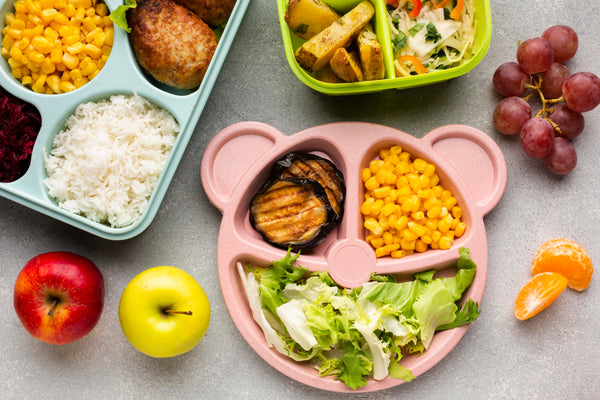
At each main meal, aim for 3 anchors:
-
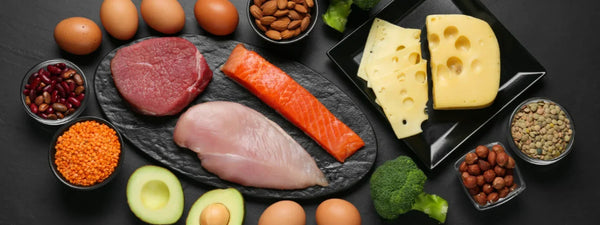
One protein (dal, eggs, paneer, curd, tofu)
-
One colourful fruit or vegetable
-
One energy source (roti, rice, millets, oats)
You don’t need perfect portions, just regular exposure. Over a day, this naturally improves nutrient coverage without turning meals into negotiations.
2. Use Smart Nutrition Support During Picky or Busy Phases

On days when meals are skipped, eaten in tiny portions, or lack variety, a clean kids nutrition powder can help cover nutritional gaps without replacing food.
Wellbeing Nutrition’s Kids Superfuel provides essential vitamins, minerals, and brain-supporting nutrients in a low-sugar, additive-free formulation.

It works as a simple daily nutritional backup, especially useful during school days, travel, or fussy phases.
3. Create One “Non-Negotiable” Nutrition Habit

Instead of trying to fix everything, lock in one daily habit like:
-
A protein-rich breakfast
-
A fruit with the evening snack
-
A consistent nutrition drink time
Consistency of one habit often delivers better results than chasing multiple changes at once.
4. Rotate Foods Weekly, Not Daily

Children don’t need variety at every meal. Think weekly rotation instead:
-
This week’s fruits
-
This week’s vegetables
-
This week’s proteins
Rotation reduces food fatigue, improves nutrient diversity, and makes meal planning easier for parents.
5. Watch Energy, Focus, and Immunity, Not Just Weight

If your child struggles with frequent colds, low stamina, irritability, or poor concentration, look beyond calories. These are often early signals that nutritional support, especially iron, omega-3s, or B vitamins, needs attention.
6. Make Snacks Work for You

Replace “empty snacks” with simple upgrades:
-
Fruit + nuts instead of biscuits
-
Curd + seeds instead of packaged desserts
-
Smoothies instead of sugary drinks
Snacks are a powerful opportunity to add nutrition without pressuring main meals.
7. Talk About Food as Fuel, Not Rules

Avoid labelling food as “good” or “bad.” Instead say:
-
“This helps your muscles grow”
-
“This helps you stay focused in class”
When parents practice how to talk to kids about nutrition in functional terms, children develop curiosity, not resistance, around food.
Final Thoughts
There’s no single “perfect” food or magic drink. It’s consistency, balance, and support, rooted in real food, guided by science, and reinforced when needed.
When myths fall away, what remains is clarity:
-
Kids need nutrients, not just calories
-
Supplements should support, not replace meals
-
Teaching nutrition early builds lifelong habits
Good nutrition for kids isn’t about doing everything, it’s about doing the right things, every day. That’s where real growth begins.
FAQs
1. What is nutrition for kids and why is it important?
Nutrition for kids refers to the intake of essential nutrients such as proteins, vitamins, minerals, healthy fats, and carbohydrates that support physical growth, brain development, immunity, and overall health. Good nutrition in childhood lays the foundation for lifelong health, learning ability, and disease prevention.
2. What are the most common kids nutrition myths parents should know about?
Some common kids nutrition myths include believing that eating enough food guarantees good nutrition, that healthy-looking kids don’t have deficiencies, and that nutrition drinks are always unhealthy. Science shows that nutrient quality, absorption, and consistency matter far more than calorie intake alone.
3. Are nutrition drinks good for kids?
Nutrition drinks can be good for kids when they are clean, low in added sugar, and formulated with essential nutrients in bioavailable forms. A well-designed nutrition drink supports gaps during picky eating, busy schedules, or growth spurts without replacing real meals.
4. Can kids have nutrient deficiencies even if they look healthy?
Yes. Many nutrient deficiencies such as iron, vitamin D, and omega-3 deficiencies are often “silent” and don’t show immediate physical signs. These deficiencies may affect focus, immunity, energy levels, and emotional regulation before visible symptoms appear.
5. Do kids really need supplements or nutrition powders?
Kids don’t need supplements to replace food, but high-quality kids nutrition powders can help support nutritional gaps caused by selective eating, poor appetite, or increased nutrient demands. Science supports supplementation as reinforcement, not replacement, for a balanced diet.
6. What nutrients are most important for kids’ brain development?
Key nutrients for brain development include omega-3 fatty acids (especially DHA), iron, iodine, zinc, and B vitamins. These nutrients play a crucial role in memory, attention, learning ability, and emotional balance during childhood.
7. How can parents teach kids healthy nutrition habits early?
Parents can teach healthy nutrition habits by talking about food as fuel, involving children in food choices, and keeping messages simple and positive. Explaining how food helps them grow, think, and stay strong builds awareness and curiosity rather than fear or resistance.