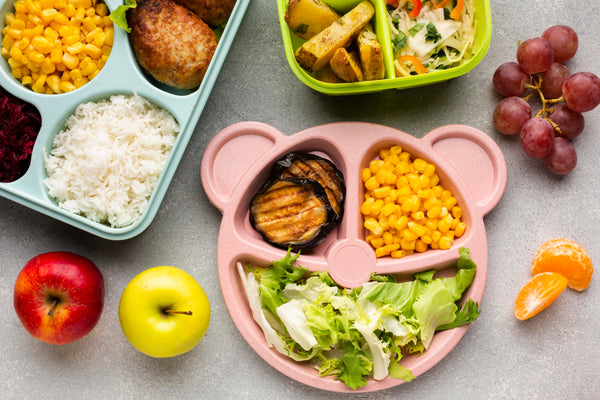
As parents, we all want our children to excel in school, but have you ever considered that what's on their plate might be just as important as what's in their backpack? The connection between nutrition for kids and academic performance is stronger than most people realize. When children receive proper good nutrition for kids, they're not just building healthy bodies they're building sharper minds, better focus, and improved learning capabilities.
Research consistently shows that children who eat balanced, nutrient-rich meals perform better academically, have improved concentration, and demonstrate enhanced problem-solving skills. The brain is an energy-intensive organ, consuming about 20% of the body's total energy despite representing only 2% of body weight.
For growing children whose brains are still developing, ensuring adequate nutrition food for kids becomes even more critical. Poor nutrition can lead to fatigue, difficulty concentrating, and reduced cognitive function all of which directly impact classroom performance.
The good news? By understanding and implementing proper kids nutrition strategies, parents can give their children a significant academic advantage while supporting their overall growth and development.
What Are the Nutritional Needs of Children?
Children's nutritional requirements differ significantly from adults due to their rapid growth and development. During childhood, the body undergoes tremendous physical and cognitive changes that demand adequate energy, protein, vitamins, and minerals. Nutrition for kids must support not only their current activities but also lay the foundation for lifelong health.
Growing children need nutrient-dense foods that provide sustained energy throughout their school day, support brain development, and strengthen their immune systems. The quality of kids nutrition food matters just as much as quantity empty calories from processed foods simply cannot provide the building blocks children need for optimal academic performance and physical growth.
Important Nutrients for Kids

Understanding which nutrients support academic success can help parents make informed choices about nutrition for kids. Here's how key nutrients contribute to your child's learning potential:
Calcium strengthens bones and teeth while supporting nerve transmission, which is essential for quick thinking and information processing during school activities. (Science Direct)
Vitamin D not only aids calcium absorption for physical growth but also supports cognitive function and mood regulation, helping children stay focused and positive in the classroom. (Science Direct)
Vitamin A maintains healthy vision crucial for reading and learning, while also supporting immune function to reduce school absences due to illness. (NIH)
Vitamin C boosts immune health to keep kids in school consistently and supports iron absorption, which directly impacts concentration and energy levels throughout the day. (NIH)
B Vitamins are powerhouses for academic performance, converting food into brain fuel and supporting memory formation, focus, and mental clarity during lessons and exams. (Science Direct)
Omega-3 Fatty Acids are perhaps the most direct academic performance boosters, enhancing memory, concentration, and learning abilities while supporting overall brain health. (NIH)
Magnesium helps regulate stress hormones and supports calm, focused behavior in the classroom, while also playing a role in memory and learning processes. (NIH)
Zinc supports cognitive development and immune function, ensuring children can attend school regularly and perform at their mental best. (NIH)
Incorporating Essential Nutrients into Your Child's Diet

Making sure your child gets all these essential nutrients doesn't have to be complicated. Here are practical ways to boost kids nutrition snacks and meals:
Start the day strong with a protein-rich breakfast including eggs, whole grain toast, and fresh fruit to fuel morning learning sessions.
Pack colorful lunch boxes filled with vegetables of different colors each color represents different vitamins and minerals that support brain function.
Include dairy or fortified alternatives in meals to ensure adequate calcium and vitamin D intake for both physical growth and cognitive development.
Add nuts and seeds to yogurt, oatmeal, or as standalone snacks to provide omega-3 fatty acids, magnesium, and zinc in delicious, kid-friendly forms.
Make smoothies exciting by blending leafy greens with fruits this healthy kids nutrition shake approach disguises vegetables while delivering powerful nutrients.
Offer fatty fish like salmon or mackerel at least twice weekly to boost omega-3 intake, or consider fortified nutrition drinks for kids as alternatives.
Keep healthy snacks visible by placing cut fruits, vegetable sticks with hummus, and whole grain crackers at eye level in the refrigerator.
Involve children in meal planning to increase their interest in nutrition food for kids and teach valuable nutrition facts for kids about what fuels their bodies and brains.
Indian-Friendly Diet Plan for Kids

Here's a practical daily meal plan incorporating traditional Indian foods that support academic performance:
|
Meal Time |
Menu |
Nutritional Benefits |
|
Breakfast (7:30 AM) |
Vegetable dalia (broken wheat porridge) with milk, topped with chopped almonds and walnuts + 1 banana |
Provides sustained energy, fiber, omega-3, and essential vitamins for morning focus |
|
Mid-Morning Snack (10:30 AM) |
Whole wheat paratha stuffed with paneer + cucumber slices |
Rich in protein and calcium for strong bones and improved concentration |
|
Lunch (1:00 PM) |
2 roti + moong dal + seasonal vegetable sabzi (beans/carrot) + cucumber raita + 1 small piece of jaggery |
Complete meal with protein, iron, vitamins, and probiotics for afternoon energy |
|
Evening Snack (4:30 PM) |
Healthy kids nutrition shake: Mango smoothie with yogurt, soaked almonds, and Kids Superfuel Nutrition Mix |
Packed with probiotics, omega-3, protein, and 23 vitamins & minerals for brain health |
|
Dinner (7:30 PM) |
Grilled chicken curry (non-veg meal) + 2 chapati + mixed vegetable salad + buttermilk |
High-quality protein, B vitamins, and essential nutrients for growth and recovery |
|
Bedtime (9:00 PM) |
Warm turmeric milk with a pinch of saffron |
Supports immunity, better sleep, and overall wellness |
Enhanced Nutritional Support
For added support, you can incorporate kids nutrition powder into your children's diet. At Wellbeing Nutrition, we have developed Kids Superfuel Nutrition Mix, a comprehensive nutritional supplement designed specifically for growing children.
This carefully formulated nutrition for kids supplement offers remarkable benefits: it contains no added sugar, ensuring clean nutrition without unnecessary sweeteners. Each serving provides 9g pure milk protein for muscle growth and repair, along with 23 vitamins & minerals that cover all essential nutritional bases for academic performance and overall development.
The formula includes omega-3 fatty acids for brain health and cognitive function, making it an excellent nutrition vitamins for kids option. It's also easy on the gut with 2B CFU probiotics and 3g prebiotic fiber, supporting digestive health so nutrients are properly absorbed. Additionally, it contains colostrum for enhanced immunity, helping children stay healthy and attend school consistently.
Our Kids Superfuel Nutrition Mix is Clean Label Certified, meaning every ingredient is transparent and carefully selected. The versatility of this kids nutrition powder is remarkable you can add it to pancakes, oatmeal, shakes, or even traditional Indian preparations like dosas or chilla for a nutritional boost.
What sets our formula apart is the use of monk fruit, a natural zero-calorie sweetener with a glycemic index of zero, providing sustained energy without blood sugar spikes or crashes that can affect classroom concentration. Unlike other nutrition drinks for kids that contain refined or unrefined sugars, artificial flavors and colors, or synthetic fiber, our clean formula prioritizes your child's health and academic performance with only natural, beneficial ingredients.
Conclusion
The link between nutrition for kids and academic success is undeniable. When children receive proper good nutrition for kids through balanced meals and quality supplements like kids nutrition drinks, they're equipped with the tools they need to excel in school and beyond. By understanding nutrition facts for kids and implementing these strategies, you're not just feeding your child you're investing in their cognitive development, focus, and long-term success. Remember, every meal is an opportunity to support your child's learning journey, and with the right approach to kids nutrition food, you can help them reach their full academic potential.
FAQ
1. Which nutrition drink is best for kids?
The best nutrition drink for kids is one that provides balanced nutrition without added sugar and supports both brain and body development. A high-quality kids nutrition drink should contain protein, omega-3 fatty acids, essential vitamins & minerals, probiotics, and fiber to support learning, immunity, and digestion. Clean-label options like Kids Superfuel Nutrition Mix are ideal because they deliver complete nutrition without artificial flavors, colors, or refined sugars, helping kids stay focused and energized throughout the school day.
2. What is nutrition for kids definition?
Nutrition for kids refers to the intake of balanced, age-appropriate nutrients that support a child’s physical growth, brain development, immunity, and academic performance. It includes adequate amounts of proteins, carbohydrates, healthy fats, vitamins, minerals, and fiber obtained through wholesome foods and, when needed, supportive nutrition drinks for kids.
3. What are the nutritional needs for kids?
Children need a wide range of nutrients to meet their growing body and brain demands, including:
-
Protein for growth, muscle repair, and brain development
-
Calcium & Vitamin D for strong bones, teeth, and nerve function
-
Iron & B-vitamins for energy, focus, and memory
-
Omega-3 fatty acids for learning ability and concentration
-
Magnesium & Zinc for cognitive development, stress regulation, and immunity
A balanced mix of whole foods along with a well-formulated kids nutrition powder can help meet these daily needs consistently.
4. What is the healthiest fruit to eat every day?
There isn’t one single “best” fruit, but fruits rich in vitamins, antioxidants, and fiber are ideal for daily consumption. Bananas provide quick energy and potassium for brain function, berries are packed with antioxidants that support memory, and oranges or mangoes supply vitamin C to boost immunity and iron absorption. Including a variety of fruits daily ensures children get a broad spectrum of nutrients that support learning and overall health.
5. Can kids drink nutrition shakes?
Yes, kids can safely drink nutrition shakes when they are age-appropriate, sugar-free, and nutritionally balanced. Healthy kids nutrition shakes can help fill nutritional gaps, especially for picky eaters or busy school schedules. When made with ingredients like milk protein, probiotics, omega-3s, and essential vitamins & minerals, nutrition shakes support academic performance, digestion, immunity, and sustained energy without replacing whole meals.
6. How does balanced nutrition improve a child’s academic performance?
Balanced nutrition fuels the brain with essential nutrients needed for focus, memory, and problem-solving skills. Nutrients like omega-3 fatty acids, B vitamins, iron, and magnesium help children stay attentive in class, process information faster, and manage stress better. When kids eat nutrient-rich meals regularly, they experience steady energy levels, fewer attention dips, and improved classroom performance.
7. What are the signs that a child may not be getting proper nutrition?
Common signs of poor nutrition in kids include frequent fatigue, low concentration, irritability, frequent illness, poor appetite, and slow growth. Academically, children may struggle with attention span, memory, and learning speed. Ensuring balanced meals and supportive nutrition drinks for kids can help address these gaps and support overall development.
8. Are nutrition supplements necessary for kids?
Nutrition supplements are not a replacement for meals, but they can be helpful when children have picky eating habits, busy schedules, or higher nutritional needs. A clean, well-formulated kids nutrition powder can help bridge dietary gaps by providing essential vitamins, minerals, protein, omega-3s, and gut-supporting nutrients, supporting both academic performance and overall health.

Recommended Products
 Kids Superfuel | Creamy Vanilla | Nutrition Mix
₹759 – ₹1,518
Kids Superfuel | Creamy Vanilla | Nutrition Mix
₹759 – ₹1,518
 Kids Superfuel | Milk Chocolate | Nutrition Mix
₹759 – ₹1,518
Kids Superfuel | Milk Chocolate | Nutrition Mix
₹759 – ₹1,518