Nutrition in childhood does far more than fuel day to day activity it shapes long term health, learning ability, immunity, and emotional wellbeing. From supporting brain development in early years to building strong bones, muscles, and resilience through adolescence, what children consume during their growing years has a lasting impact.
Yet, children’s nutritional needs are not static. A toddler’s requirements differ significantly from those of a school going child, and the demands of adolescence are entirely different again. Add picky eating, increased screen time, academic pressure, busy schedules, and frequent infections into the mix, and meeting daily nutrition needs can feel overwhelming for parents.
This guide outlines age-wise nutritional requirements for children and offers practical insight into supporting healthy growth at every stage.
Nutrition for Infants (0 -12 Months)

The first year of life is marked by rapid physical growth and critical brain development. Nutrition during this period plays a foundational role in cognitive, immune, and skeletal health.
Key nutritional needs include:
-
Protein to support growth and tissue formation
-
Healthy fats (DHA & ARA) for brain and visual development
-
Iron for cognitive function and oxygen transport
-
Vitamin D and Calcium for bone development
Primary sources of nutrition:
-
Breast milk (or infant formula when breastfeeding isn’t possible)
-
Iron rich complementary foods introduced after 6 months, such as mashed lentils, vegetables, and fruits
Important note: Exclusive breastfeeding is recommended for the first six months. Complementary foods should then be introduced gradually while continuing breast milk or formula.
Nutrition for Toddlers (1 -3 Years)

Toddlers are active, curious, and often unpredictable eaters. While growth may slow compared to infancy, nutritional needs remain high relative to their small stomach capacity.
Key nutritional priorities: (NIH)
-
Protein for muscle and tissue development
-
Calcium and Vitamin D for healthy bones and teeth
-
Iron to support energy levels and concentration
-
Omega 3 fatty acids for ongoing brain development
Common challenges at this stage include:
-
Food refusal and strong preferences
-
Inclination toward sweet or processed foods
-
Inconsistent appetite
Parent tip: Focus on offering small, frequent, nutrient dense meals rather than worrying about portion sizes.
Nutrition for Preschoolers (4- 6 Years)

As children become more socially active, their exposure to infections increases, making this a crucial phase for immunity, cognitive growth, and physical development.
Key nutritional needs:
-
Protein to support growth and sustained energy
-
Zinc and Vitamin C for immune defense
-
B vitamins for metabolism and brain function
-
Dietary fiber for digestive health
Helpful food choices include:
-
Whole grains, fruits, and vegetables
-
Dairy or fortified dairy alternatives
-
Nuts, seeds, and legumes in age-appropriate forms
Despite balanced diets, many preschoolers still fall short on key micronutrients, particularly iron, zinc, and omega 3s. (NIH)
Nutrition for School Going Kids (7 -12 Years)

School years bring increased academic, physical, and emotional demands. Long hours, extracurricular activities, and screen exposure often influence eating patterns. (NIH)
Nutritional focus areas:
-
Complex carbohydrates for sustained energy
-
Protein to support growth spurts
-
Iron for oxygen delivery and focus
-
Omega 3 fatty acids for learning and memory
-
Magnesium for muscle and nerve function
Common nutritional gaps:
-
Skipping breakfast
-
Over reliance on packaged foods
-
Insufficient fruit and vegetable intake
Poor nutrition during this stage can lead to fatigue, frequent illness, reduced attention span, and slower growth.
Nutrition for Teenagers (13 -18 Years)

Adolescence is a period of accelerated growth, hormonal changes, and emotional development. Nutrient requirements peak during these years. (NIH)
Key nutritional needs include: (NIH)
-
High quality protein for muscle and height growth
-
Calcium and Vitamin D to support peak bone mass
-
Iron, particularly for teenage girls
-
Zinc for immunity and hormonal balance
-
B vitamins for energy metabolism and mental wellbeing
Common challenges:
-
Skipped meals and irregular eating patterns
-
Increased consumption of junk food
-
Body image concerns
-
Academic and social stress
With more meals consumed outside the home, maintaining balanced nutrition becomes increasingly difficult.
Age Wise Nutrition Requirements: At a Glance
|
Age Group |
Key Nutrients |
Primary Focus |
|
0 -12 months |
Iron, DHA, Vitamin D, Calcium |
Brain development, immunity |
|
1-3 years |
Protein, Calcium, Iron, Vitamin D |
Growth, bone health |
|
4 -6 years |
Fiber, B Vitamins, Vitamin C, Iron |
Digestion, learning |
|
7 -12 years |
Protein, Omega 3, Calcium, Magnesium |
Growth, focus |
|
13 -18 years |
Protein, Iron, Calcium, Zinc |
Growth spurts, hormonal balance |
Why Diet Alone May Not Always Be Enough
While whole foods remain the cornerstone of good nutrition, real life factors such as picky eating, limited food variety, busy schedules, and absorption challenges can make it difficult for children to consistently meet daily nutrient requirements.
In such cases, age appropriate, science-backed nutritional support, when recommended by a healthcare professional, can help bridge gaps without replacing real food.
Choosing the Right Nutritional Support for Kids
When selecting nutrition drinks or supplements, parents should prioritise:
-
Clean, transparent labels
-
Age specific formulations
-
Bioavailable nutrients
-
No refined sugar, artificial colours, or unnecessary additives
Wellbeing Nutrition’s Kids Super fuel is thoughtfully designed to meet these standards. It provides 9g of high-quality protein from milk protein isolate, plant-based omega 3 DHA for brain and eye health, probiotics and prebiotics for gut support, and colostrum with antioxidants to strengthen immunity.

With a balanced blend of essential vitamins and minerals, zero refined sugar, and an ultra-clean, Clean Label Project Certified formulation, it offers modern, trustworthy nutrition for growing kids aged 7 years and above.
Building Healthy Nutrition Habits Early
Nutrition goes beyond nutrients it’s about lifelong habits.
Simple practices that make a difference:
-
Sharing meals as a family
-
Encouraging variety without pressure
-
Limiting sugary drinks and packaged snacks
-
Making fruits and vegetables easily accessible
Children who build positive food relationships early are more likely to carry them into adulthood.
Final Thoughts
Every child is unique, and their nutritional needs evolve with age. By understanding these changing requirements and supporting them through mindful food choices and thoughtful supplementation when needed parents can help their children grow stronger, sharper, and healthier.
Good nutrition isn’t about perfection. It’s about informed, consistent choices that support children at every stage of growth.
FAQ
1. What are nutrients for kids?
Nutrients for kids include proteins, healthy fats, carbohydrates, vitamins, and minerals that support growth, brain development, immunity, and overall wellbeing at every stage of childhood.
2. Can kids drink nutrition shakes?
Yes, kids can have nutrition shakes when they are age appropriate and used as a supplement to a balanced diet, especially if daily nutrient needs are not being met through food alone.
3. How can parents teach nutrition to kids?
Parents can teach nutrition by setting healthy examples, involving children in food choices, and encouraging variety without pressure, helping them develop positive eating habits early on.
4. Are nutrition drinks good for kids?
Nutrition drinks can be beneficial when they are clean label, low in sugar, and designed specifically for children, supporting growth, energy, and immunity without replacing meals.
5. What is the most healthy drink for kids?
Water is the healthiest daily drink for kids, followed by milk or fortified alternatives, with nutrition drinks used thoughtfully when additional nutritional support is needed.
6. What is the best growth drink for kids?
The best growth drink for kids provides high quality protein along with essential vitamins and minerals, supporting healthy growth, strength, and overall development in a safe, age appropriate way.

Recommended Products
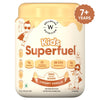 Kids Superfuel | Creamy Vanilla | Nutrition Mix
₹807 – ₹1,613
Kids Superfuel | Creamy Vanilla | Nutrition Mix
₹807 – ₹1,613
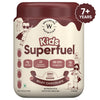 Kids Superfuel | Milk Chocolate | Nutrition Mix
₹807 – ₹1,613
Kids Superfuel | Milk Chocolate | Nutrition Mix
₹807 – ₹1,613