Every parent wants to give their child the best start in life. We pack tiffins with care, say yes to “healthy” drinks, and worry endlessly about height, immunity, focus, and picky eating.
Yet despite good intentions, many well-meaning parents unknowingly make critical kids nutrition mistakes, not because they don’t care, but because nutrition advice for children is often confusing, outdated, or driven by marketing myths.
Let’s clear the noise.
Here are the top 5 nutrition for kids mistakes parents make, what science really says, and how to fix them, without stress, guilt, or food battles.
Mistake #1: Thinking “Eating Enough” Automatically Means Good Nutrition for Kids

Most parents equate a full plate with healthy eating. If the child eats well, they assume nutrition is sorted.
But what is nutrition for kids really about?
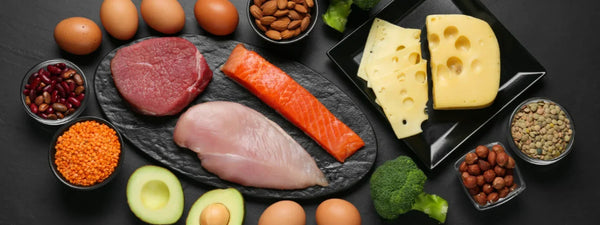
Nutrition isn’t just calories, it’s nutrient density. A child can eat enough food and still fall short on iron, zinc, omega-3s, vitamin D, B-complex vitamins, or protein quality.
This is why many children show:
-
Low energy despite eating well
-
Frequent colds
-
Poor focus or irritability
-
Slow growth spurts
Good nutrition for kids means providing the right balance of macronutrients (protein, carbs, fats) and micronutrients, not just filling the stomach.
Fix it:
Shift the question from “Did my child eat?” to “Did my child get the nutrients they need today?” This mindset change alone transforms nutrition food for kids from routine meals to purposeful nourishment.
Mistake #2: Relying Too Much on Sugar-Loaded Kids Nutrition Drinks

Many so-called nutrition drinks for kids are marketed as growth boosters, but when you read the label, they’re often packed with:
-
Added sugars
-
Artificial flavours
-
Maltodextrin or refined carbs
-
Low-quality synthetic vitamins
Parents ask: Are those nutrition drinks good for kids? The honest answer: Not all.
Liquid nutrition should support, not replace real food. Unfortunately, many parents unknowingly use these drinks as daily meal substitutes.
This raises concerns like:
-
Blood sugar spikes
-
Reduced appetite for meals
-
Poor gut health over time
Fix it:
Choose a healthy kids nutrition powder that’s:
-
Low-sugar or no added sugar
-
Made from clean, plant-based ingredients
-
Designed for digestion and absorption
Mistake #3: Ignoring Micronutrients While Focusing Only on Height & Weight

Growth charts tell only half the story.
Parents often focus on visible growth, height and weight while missing invisible deficiencies that affect:
-
Immunity
-
Brain development
-
Bone strength
-
Hormonal balance
So when parents ask, “What are the nutritional needs for kids?”, the answer goes far beyond calcium and protein.
Key nutrients for kids include:
-
Iron for oxygen and cognition
-
Zinc for immunity and appetite
-
Vitamin D for bones and immunity
-
Omega-3s for brain development
-
B-vitamins for energy metabolism
This is why nutrition vitamins for kids matter, especially in today’s processed-food environment.
Fix it:
Think of nutrition as daily consistency, not occasional fixes. A reliable kids nutrition powder or blend can help bridge modern diet gaps, especially for picky eaters.
Mistake #4: Replacing Real Food with Snacks Labeled “Healthy”

Granola bars, baked chips, flavoured yogurts, and “organic” cookies often sneak into lunchboxes as “healthy options.”
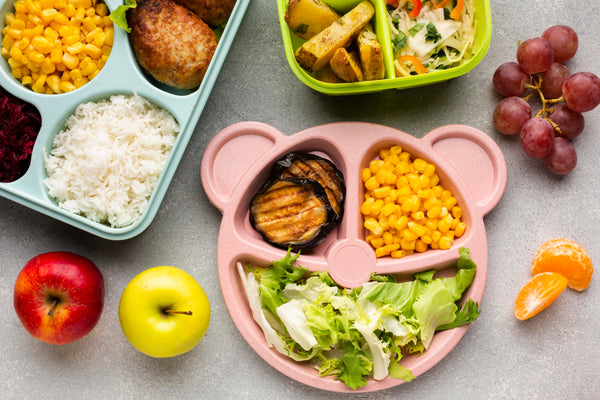
But real food nutrition for kids means:
-
Whole fruits
-
Nuts and seeds
-
Home-style meals
-
Clean proteins
Packaged snacks, even healthy-looking ones, are still ultra-processed. Parents wondering what is food nutrition for kids should remember: If a food didn’t exist 50 years ago, it’s probably not essential for growth today.
Fix it:
Follow the 5-2-1-0 rule for kids:
-
5 servings of fruits & vegetables
-
2 hours or less of screen time
-
1 hour of physical activity
-
0 sugary drinks
This framework naturally improves kids nutrition food choices without strict rules.
Mistake #5: Not Teaching Kids Why Nutrition Matters

Nutrition education often stops at instructions: “Finish your vegetables.” or “Drink your milk.” But children respond better when they understand what does nutrition mean for kids in simple terms.
Nutrition is how food helps them:
-
Run faster
-
Think sharper
-
Get sick less often
-
Grow stronger
When kids understand why, compliance becomes curiosity, not resistance.
Fix it:
-
Use a simple nutrition journal for kids
-
Involve them in grocery shopping
-
Explain food benefits in age-appropriate language
This is the foundation of lifelong healthy habits.
A Smarter Nutrition Solution for Growing Kids
Even with the best intentions, modern diets make it hard to meet what is the best nutrition for kids daily.
That’s where Kids Superfuel by Wellbeing Nutrition fits in, not as a replacement for food, but as intelligent nutritional support.
Why Parents Trust Kids Superfuel:
-
9g high-quality milk protein per scoop delivers 40% of a child’s daily protein requirement to support muscle development, steady energy, and healthy growth.
-
2 billion CFU probiotics nourish beneficial gut bacteria, helping strengthen immunity while supporting smooth, comfortable digestion.
-
3g prebiotic fiber from apple & oat feeds good bacteria and promotes regular bowel movements and overall gut balance.
-
5 digestive enzymes enhance nutrient breakdown and absorption, ensuring children actually utilize the nutrition they consume.
-
Active growth support from protein plus vitamins B1, B2, B3, iodine, and biotin helps convert food into usable energy and supports physical development.
-
Brain development and focus support with omega-3, vitamin B6, B12, and folic acid to aid memory, learning ability, and attention during early school years.
-
Immune function support from colostrum, vitamin C, and vitamin E to strengthen natural defenses and reduce frequent sick days.
-
Bone health support with calcium, vitamin D, and magnesium to build strong bones, improve posture, and support long-term skeletal health.
-
Eye health support from vitamin A, lutein, and zeaxanthin to aid vision development and improve screen-time resilience.

Nutrition for kids isn’t about perfection, but consistency and quality. Kids Superfuel supports both by providing clean, absorbable nutrition that complements home-cooked meals.
Final Takeaway
What is the best nutrition for children? It’s a combination of:
-
Real food
-
Smart supplementation
-
Low-sugar support
-
Nutrition education
Avoiding these common nutrition for kids mistakes doesn’t require perfection, just awareness and better choices. Because when kids get the right nutrition early, they don’t just grow taller, they grow healthier, sharper, and stronger for life.
FAQs
1. What is nutrition for kids and why is it important?
Nutrition for kids refers to providing the right balance of proteins, carbohydrates, fats, vitamins, and minerals needed for growth, brain development, immunity, and overall health. Proper nutrition in childhood lays the foundation for physical development, learning ability, and long-term well-being.
2. What are the nutritional needs for kids at different ages?
Children need age-appropriate amounts of protein, calcium, iron, vitamin D, omega-3s, zinc, and B-vitamins to support growth, immunity, bone health, and brain development. These needs increase during growth spurts and school-going years.
3. Are nutrition drinks good for kids?
Nutrition drinks can be helpful when they are low in sugar and designed to complement meals, not replace them. Sugar-loaded drinks with artificial additives may negatively impact appetite, gut health, and blood sugar levels.
4. Which nutrition drink is best for kids?
The best nutrition drink for kids is one that provides high-quality protein, essential vitamins and minerals, supports digestion, and contains no added sugar or artificial ingredients. It should work alongside real food to fill nutrition gaps.
5. What is good nutrition for kids who are picky eaters?
Good nutrition for picky eaters focuses on nutrient density rather than quantity, using real foods, smart supplementation, and kid-friendly formats. A clean kids nutrition powder can help bridge gaps when meals are inconsistent.
6. What is the healthiest drink for kids on a daily basis?
Water and plain milk remain the healthiest daily drinks for kids. When needed, a low-sugar, nutrient-dense nutrition shake can be used occasionally to support growth and immunity without replacing meals.
7. How can parents teach kids about nutrition in a simple way?
Parents can teach nutrition by explaining how food helps children grow stronger, think better, and stay healthy. Using simple language, involving kids in grocery shopping, and maintaining a nutrition journal for kids can build lifelong healthy habits.

Recommended Products
 Kids Superfuel | Creamy Vanilla | Nutrition Mix
₹759 – ₹1,518
Kids Superfuel | Creamy Vanilla | Nutrition Mix
₹759 – ₹1,518
 Kids Superfuel | Milk Chocolate | Nutrition Mix
₹759 – ₹1,518
Kids Superfuel | Milk Chocolate | Nutrition Mix
₹759 – ₹1,518