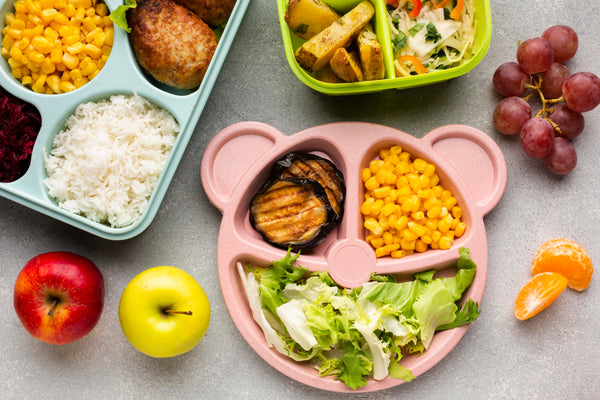
During childhood, the body grows faster than at any other stage of life, yet most parents are left guessing whether daily meals are truly meeting their child’s needs. Growth, immunity, focus, and energy don’t depend on food alone, but on something far more specific working behind the scenes. And when that foundation isn’t right, the signs are easy to miss.
This is where nutrition for kids becomes more than a checklist or a food chart. Understanding what really fuels a growing body can change how you think about your child’s health entirely.
Let’s take a closer look at the essential vitamins and minerals that quietly shape how children grow, learn, and thrive.
Why Nutrition Matters for Kids

Nutrition for kids is not just about calories. It’s about supplying the body with essential vitamins and minerals that support brain development, immune health, bone strength, and overall growth. Without these nutrients, children may face fatigue, slower cognitive development, or weaker immunity.
Nutrition can be simply explained as thinking of vitamins and minerals as fuel for their bodies because without the right fuel, even the brightest minds and most energetic kids can't perform at their best.
Essential Vitamins and Minerals for Kids Nutrition
Ensuring your child gets good nutrition means making sure they receive all the vital vitamins and minerals that support growth, immunity, and overall development. Here’s a deep dive into the essential nutrients every child needs:
1. Vitamin A

Vitamin A plays a critical role in supporting vision, immune defence, and healthy cell growth. It helps maintain the lining of the eyes, gut, and respiratory tract, your child’s first barrier against infections. Adequate vitamin A intake also supports overall growth and development during early childhood (NIH).
Deficiency signs & sources: Poor night vision, dry eyes, and frequent infections may signal deficiency. It is found in carrots, sweet potatoes, spinach, pumpkin, and mangoes.
2. Vitamin D

Vitamin D is essential for absorbing calcium and building strong bones and teeth. It supports muscle function and plays a vital role in immune regulation, especially in growing children. Adequate vitamin D is crucial for long-term skeletal health and overall development (NIH).
Deficiency signs & sources: Low levels may lead to weak bones, delayed growth, and frequent illness. Sources include sunlight exposure, fortified dairy, egg yolks, and fatty fish.
3. Vitamin C

Vitamin C strengthens the immune system and helps the body heal wounds efficiently. It supports collagen production, which is important for skin, bones, and blood vessels. As an antioxidant, it also protects cells from oxidative stress (NIH).
Deficiency signs & sources: Fatigue, slow wound healing, and frequent colds may indicate deficiency. Rich sources include citrus fruits, guava, strawberries, and bell peppers.
4. B-Complex Vitamins

B vitamins support energy production, brain development, and nervous system function. They help convert food into usable energy and are essential for focus, memory, and learning. These vitamins also play a role in red blood cell formation and emotional balance (NIH).
Deficiency signs & sources: Signs include tiredness, irritability, poor appetite, and low concentration. Found in whole grains, eggs, dairy, legumes, and leafy greens.
5. Calcium

Calcium is the primary mineral responsible for building strong bones and teeth during childhood. It also supports muscle contraction, nerve signalling, and heart function. Peak bone mass developed in childhood sets the foundation for lifelong skeletal health (NIH).
Deficiency signs & sources: Weak bones, delayed growth, and dental issues may occur. Good sources include milk, yogurt, cheese, ragi, broccoli, and almonds.
6. Iron

Iron is essential for transporting oxygen in the blood and supporting brain development. It plays a key role in attention span, learning ability, and physical stamina. Adequate iron intake is especially important during rapid growth phases (NIH).
Deficiency signs & sources: Fatigue, pale skin, poor concentration, and frequent illness are common signs. Sources include lentils, spinach, jaggery, lean meats, and fortified cereals.
7. Zinc

Zinc supports growth, immune strength, and wound healing. It plays a role in DNA synthesis, cell division, and hormone production. Zinc is especially important during growth spurts and developmental milestones (NIH).
Deficiency signs & sources: Poor appetite, frequent infections, and slow growth may indicate deficiency. Found in nuts, seeds, whole grains, legumes, and dairy.
8. Magnesium

Magnesium supports muscle and nerve function, energy production, and bone health. It helps regulate sleep, mood, and concentration in children. This mineral also works closely with calcium and vitamin D for skeletal development (NIH).
Deficiency signs & sources: Muscle cramps, fatigue, and restlessness may occur. Sources include nuts, seeds, whole grains, bananas, and leafy greens.
9. Iodine

Iodine is essential for thyroid hormone production, which regulates growth and metabolism. It plays a crucial role in brain development and cognitive function. Adequate iodine intake is especially important in early childhood (NIH).
Deficiency signs & sources: Poor growth, fatigue, and learning difficulties can be warning signs. Iodised salt, dairy products, seafood, and eggs are key sources.
10. Selenium

Selenium supports immune function and protects cells from oxidative damage. It plays a role in thyroid health and metabolic balance. Even small amounts are vital for overall wellbeing and immunity in children (NIH).
Deficiency signs & sources: Low immunity and frequent infections may be seen. Found in nuts (especially Brazil nuts), whole grains, eggs, and seeds.
Common Gaps in Kids’ Nutrition

Many children don’t consume enough fruits, vegetables, or whole grains, which can lead to deficiencies in iron, vitamin D, and calcium. Busy parents often ask: “Which nutrition drink is best for kids?” or “Which nutrition powder is best for kids?” The answer lies in choosing products that bridge these gaps without added artificial flavors or refined sugars.
When selecting kids nutrition drinks or powders, consider:
-
Natural ingredients
-
Comprehensive vitamin and mineral profile
-
No artificial additives
-
Taste kids actually enjoy
For parents asking, “Which nutrition is good for kids?” or “What is the best nutrition for kids?”, Wellbeing Nutrition's Kids Superfuel is designed to be the ultimate solution.
It provides:
-
30 vital nutrients in every serving to support daily growth and development
-
9 g of high-quality protein, 2 billion CFU probiotics, and dietary fiber for gut health and sustained energy
-
100% all-natural ingredients, with no artificial colours, flavours, or preservatives
-
A naturally delicious taste that kids genuinely enjoy, so no battles at mealtime
-
Targeted support for immunity, physical growth, and cognitive development
With Kids Superfuel, parents can rest assured their child is getting nutrition that’s safe, effective, and enjoyable.
How to Make Nutrition Fun for Kids

Teaching nutrition for kids doesn’t have to feel like a lecture, it can be playful, visual, and even exciting. When children enjoy the process, they’re far more likely to understand what nutrition means and why it matters to their everyday lives.
-
Turn kids nutrition into a game by counting colours on their plate or tracking daily vitamins in a nutrition journal for kids, making learning interactive and rewarding.
-
Blend a kids nutrition powder into smoothies, pancakes, or snacks to introduce nutrition food for kids without changing familiar flavours.
-
Use stories, cartoons, or characters to explain nutrition, helping complex ideas feel simple and relatable.
Simple, consistent strategies like these help children recognise what is good nutrition, while quietly building healthy habits that last well beyond childhood.
Conclusion
Nutrition for kids is the foundation for healthy growth, strong immunity, and sharp cognitive development. While whole foods are ideal, a high-quality nutrition powder ensures children get all essential vitamins and minerals in a safe, natural, and tasty way.
When parents ask, “Which is the best nutrition for kids?”, the answer is clear: a combination of good nutrition for kids from real foods, supported by scientifically formulated supplements, creates the perfect balance for optimal health.
FAQs
1. What is nutrition for kids and why is it important?
Nutrition for kids refers to the intake of essential vitamins, minerals, proteins, and other nutrients required for healthy growth and development. Proper kids nutrition supports brain development, strong bones, immunity, energy levels, and overall wellbeing during critical growth years.
2. What are the most important vitamins and minerals for kids nutrition?
The most important nutrients for kids include vitamins A, C, D, B-complex, calcium, iron, zinc, magnesium, iodine, and selenium. Together, these nutrients support growth, immunity, cognitive development, metabolism, and bone health in children.
3. What are the nutritional needs for kids as they grow?
The nutritional needs for kids change as they grow, but consistently include adequate protein, vitamins, and minerals to support rapid physical and mental development. A balanced diet combined with the right nutrition support helps meet these evolving needs effectively.
4. Are nutrition drinks good for kids?
Yes, nutrition drinks for kids can be beneficial when they are made with natural ingredients and provide essential vitamins and minerals without excess sugar or artificial additives. They help bridge common nutrient gaps, especially in picky eaters or busy routines.
5. Which nutrition drink or powder is best for kids?
The best nutrition drink or nutrition powder for kids is one that offers a comprehensive nutrient profile, supports immunity and growth, and is safe for daily use. Parents should look for options with essential vitamins, minerals, protein, probiotics, and no artificial colours or preservatives.
6. Can kids drink nutrition shakes every day?
Kids can drink nutrition shakes daily if they are formulated specifically for children and used as a supplement to, not a replacement for, real food nutrition for kids. Daily use can help ensure consistent intake of key nutrients needed for growth and energy.
7. How can parents teach kids about nutrition in a simple way?
Parents can teach nutrition to kids by using games, stories, colourful plates, and tools like a nutrition journal for kids. Making nutrition fun helps children understand what good nutrition means and encourages healthy habits from an early age.

Recommended Products
 Kids Superfuel | Creamy Vanilla | Nutrition Mix
₹759 – ₹1,518
Kids Superfuel | Creamy Vanilla | Nutrition Mix
₹759 – ₹1,518
 Kids Superfuel | Milk Chocolate | Nutrition Mix
₹759 – ₹1,518
Kids Superfuel | Milk Chocolate | Nutrition Mix
₹759 – ₹1,518