Every parent wants the same thing: a child who grows well, thinks clearly, stays active, and falls sick less often.
Yet when it comes to kids nutrition, confusion is everywhere. One article says milk is enough. Another says children need supplements. Some say nutrition drinks are unnecessary. Others swear by them. So what’s the truth?
Good nutrition for kids isn’t about “more food” or “perfect food.” It’s about the right nutrients, delivered consistently, in forms children actually accept.
Before we get into the top foods, let’s bust the biggest myth first.
What Is Nutrition for Kids?

Many parents still ask: what is nutrition for kids, or even what does nutrition mean for kids?
In simple terms, nutrition is not just about filling the stomach. It’s about providing nutrients that support:
-
Physical growth (height, weight, muscle)
-
Brain development (focus, memory, learning)
-
Immune strength
-
Energy metabolism
Scientifically, nutrition for kids refers to meeting age-specific needs for protein, healthy fats, vitamins, minerals, fiber, and bioactive compounds daily. Let’s now look at the top 10 nutrition foods for kids that matter most.
1. Milk & Dairy Products

Milk and dairy products are often seen as the backbone of nutrition for kids and they do play an important role. They provide:
-
Calcium for bones
-
Protein for growth
-
Vitamin B12
Milk is often believed to be complete nutrition, but in reality it mainly supports bone health and does not provide the full spectrum of nutrients children need for overall growth and balance.
How to Incorporate
-
1 glass of milk daily (plain, not flavoured)
-
Add curd with lunch or dinner
-
Paneer in parathas, sandwiches, or bhurji
2. Eggs

Eggs are one of the most efficient nutrition foods for kids, delivering high-quality protein and brain-supporting nutrients. They are especially helpful if parents wonder which nutrition is good for kids for learning and focus.
How to Incorporate
-
Boiled eggs with breakfast
-
Egg bhurji or omelette in rotis
-
Pancakes or muffins using eggs for picky eaters
3. Fresh Fruits

Parents often ask, What is the healthiest fruit to eat every day? The real answer is rotation. Different fruits provide different antioxidants and fibers, key pillars of good nutrition for kids.
How to Incorporate
-
One fruit with breakfast
-
One fruit as an evening snack
-
Cut fruits instead of packaged snacks
4. Green Leafy Vegetables
Iron deficiency is common in children, even when meals seem adequate. Leafy greens provide iron, folate, and magnesium, critical nutrition that’s often missed.
How to Incorporate
-
Finely chop greens into dal or pasta sauces
-
Add spinach to dosa or idli batter
-
Use moringa powder in rotis or soups
5. Nuts & Seeds

Nuts and seeds are small but powerful contributors to real food nutrition for kids. They provide omega-3s, zinc, and vitamin E, important for cognition and immune resilience.
How to Incorporate
-
Powder almonds and walnuts into milk
-
Add seeds to porridge or smoothies
-
Use nut powders in laddoos or chikkis
6. Whole Grains

Replacing refined carbs with whole grains dramatically improves nutrition for kids. They support digestion, sustained energy, and better concentration.
How to Incorporate
-
Swap white bread with whole-wheat bread
-
Use millets for rotis and dosas
-
Oats or millet porridge for breakfast
7. Lentils & Legumes

Protein supports immunity, enzymes, hormones, and neurotransmitters, not just muscles. Dals and legumes are essential to meeting nutritional needs for kids, especially in vegetarian diets.
How to Incorporate
-
One dal preparation daily
-
Chilla or cutlets from lentils
-
Hummus or bean spreads in sandwiches
8. Healthy Fats

Despite old myths, fats are critical for brain development and hormone balance. Healthy fats are foundational to kids nutritious food, not optional.
How to Incorporate
-
1–2 teaspoons ghee daily
-
Nuts and seeds regularly
-
Use cold-pressed oils for cooking
9. Water & Natural Fluids

Parents often ask, What is the most healthy drink for kids? The answer is simple: water. Hydration impacts digestion, focus, and detoxification, yet it’s often missing in conversations about nutrition for kids.
How to Incorporate
-
Fixed water breaks during the day
-
Soups, buttermilk, coconut water
-
Avoid sweetened beverages
10. Natural Probiotic Foods

Gut health plays a central role in kids nutrition, influencing immunity, digestion, nutrient absorption, and even mood and focus. Yet probiotic-rich foods are often missing from everyday meals.
Fermented foods provide beneficial bacteria that support a healthy gut microbiome, an often overlooked pillar of good nutrition for kids.
How to Incorporate
-
Fresh curd or homemade yogurt daily
-
Buttermilk with lunch
-
Small portions of fermented foods like idli, dosa, or kanji
Why Food Isn’t Enough

Even with balanced meals, modern lifestyles create gaps due to:
-
Picky eating
-
School schedules
-
Taste fatigue
-
Nutrient-depleted foods
Kids Superfuel by Wellbeing Nutrition is designed to support everyday nutrition for kids where food falls short.
Why Parents Trust Kids Superfuel

-
30 essential nutrients for growth, immunity & brain health
-
Includes vitamins, minerals, probiotics & protein
-
No artificial colours, no refined sugar
-
Easy-to-consume nutrition drink for kids
-
Works as a healthy kids nutrition shake alongside meals
How to Incorporate
-
Once daily with milk or water
-
Post-school or mid-morning
-
Especially helpful for fussy eaters
Final Takeaway
The best nutrition for children is:
-
Real food, eaten consistently
-
Nutrients delivered in absorbable forms
-
Smart supplementation when food falls short
When nutrition aligns with real life, not ideals, children don’t just meet their daily needs, they grow stronger, think sharper, and thrive every single day.
FAQs
1. How much protein does a growing child need every day?
Protein needs vary by age, activity level, and growth stage, but most children require a steady daily intake rather than large amounts at one meal. Spreading protein across meals helps support muscle growth, immunity, enzymes, and brain function.
2. Why do kids still have nutrient deficiencies even if they eat three meals a day?
Children may eat enough food but still miss key nutrients due to picky eating, limited food variety, nutrient loss during cooking, or reliance on refined and packaged foods. This makes nutrient density more important than portion size.
3. Which nutrients are most commonly lacking in children’s diets?
Iron, vitamin D, omega-3 fatty acids, zinc, fiber, and certain B vitamins are among the most common nutritional gaps seen in children, even in households that follow regular home-cooked meals.
4. Can gut health affect a child’s immunity and focus?
Yes. A healthy gut helps regulate immune responses, supports nutrient absorption, and influences brain function through the gut-brain axis. Poor gut health can impact digestion, immunity, and even mood and attention in children.
5. How often should kids eat in a day for optimal nutrition?
Most children do best with three balanced meals and one to two nutrient-dense snacks daily. Regular eating intervals help maintain energy levels, prevent overeating, and support better nutrient absorption.
6. Do children need different nutrition at different ages?
Yes. Nutritional needs change as children grow. Toddlers need higher fat intake for brain development, school-age children require more protein and minerals for growth, and adolescents need increased calories and micronutrients to support rapid physical changes.
7. How can parents balance healthy eating with modern school routines?
Planning simple meals, rotating core foods, using make-ahead options, and focusing on nutrient-dense choices help maintain good nutrition despite busy schedules. Consistency matters more than daily perfection.

Recommended Products
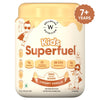 Kids Superfuel | Creamy Vanilla | Nutrition Mix
₹807 – ₹1,613
Kids Superfuel | Creamy Vanilla | Nutrition Mix
₹807 – ₹1,613
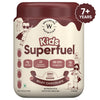 Kids Superfuel | Milk Chocolate | Nutrition Mix
₹807 – ₹1,613
Kids Superfuel | Milk Chocolate | Nutrition Mix
₹807 – ₹1,613