


Healthy children aren’t built by perfect meals alone, they’re shaped by small, repeatable habits practiced every day. What kids eat, how they eat, when they eat, and what surrounds those moments all play a role in their long-term health.
In fact, most pediatric nutrition experts agree on this: the habits children learn before age 10 often follow them for life (NIH). So instead of chasing “ideal diets,” the real question parents should ask is: What daily habits support good nutrition for kids, without stress, pressure, or power struggles?
Let’s break down the habits that truly matter and how to build them early.
Habit 1: Teach Kids to Eat for Nourishment, Not Just Taste

Children are born intuitive eaters. Over time, distractions, sugar rewards, and food pressure dull that instinct. A healthy habit begins when kids understand that food:
-
Gives Them Energy to Play
Nutritious foods provide steady fuel that supports active play, better stamina, and reduced mid-day fatigue. When kids eat well, their energy lasts longer without sudden crashes or irritability.
-
Helps Them Grow Taller and Stronger
Growth-supporting nutrients like protein, calcium, and micronutrients help build strong bones, muscles, and tissues during key developmental years. Consistent nourishment supports healthy height, weight, and overall physical development.
-
Keeps Them from Falling Sick Often
A nutrient-rich diet strengthens the immune system, helping the body fight infections more effectively. Children who receive balanced nutrition tend to recover faster and experience fewer illnesses over time.
This is the foundation of good nutrition for kids, connecting food with function, not fear.
How parents can reinforce this habit:
-
Talk about food benefits in simple language so kids understand that food gives them energy, helps them grow, and keeps them strong.
-
Avoid labeling foods as “good” or “bad,” because this reduces guilt and helps children build a healthy, balanced relationship with eating.
-
Focus on how food makes them feel like energised, full, calm, or ready to play, so they learn to listen to their body’s signals.
This mindset sets the stage for healthier food choices later in life.
Habit 2: Build Structured Meal & Snack Timings

Constant grazing disrupts appetite regulation and digestion, two systems still developing in children.
Creating predictable eating windows helps:
-
Improve Digestion
Regular meal timings and balanced foods help regulate digestive enzymes and gut function in growing children. This supports better nutrient absorption and reduces common issues like bloating or constipation.
-
Prevent Sugar Cravings
When meals are structured and nutritionally balanced, blood sugar levels remain more stable throughout the day. This naturally reduces sudden sugar cravings and dependence on processed snacks.
-
Encourage Better Meal Intake
Predictable eating routines help children arrive at meals with a healthy appetite. This makes them more willing to eat balanced meals instead of skipping food or grazing mindlessly.
This structure is a core principle of nutrition for kids that often gets overlooked.
Aim for:
-
3 balanced meals provide consistent energy and nutrients throughout the day, supporting steady growth and focus.
-
1–2 planned snacks help bridge hunger gaps while preventing overeating or nutrient-poor choices.
-
Limited random nibbling allows natural hunger cues to develop and improves appetite at main meals.
Children thrive on rhythm and so does their metabolism.
Habit 3: Make Nutrient Density a Non-Negotiable

Kids don’t need more food, they need better nutrition food for kids. Modern diets are often calorie-rich but micronutrient-poor. Even visually “healthy” meals may lack iron, zinc, omega-3s, or B vitamins, key nutrients for immunity, focus, and growth.
This is where real food nutrition for kids becomes critical.
Build the habit by:
-
Prioritizing whole foods over ultra-processed snacks ensures children receive higher nutrient density without excess sugar, salt, or additives.
-
Adding vegetables invisibly into familiar meals increases micronutrient intake while reducing resistance from picky eaters.
-
Ensuring daily intake of essential vitamins and minerals supports immunity, brain development, and steady growth during critical years.
Habitual nutrient sufficiency beats occasional “healthy eating days.”
Habit 4: Normalize Nutrition Support Without Guilt

Parents often feel conflicted about supplementation. But supporting nutrition isn’t a failure, it’s a practical habit in today’s food environment.
Smart families use nutrition powder and nutrition drinks for kids during low-appetite phases. When chosen wisely, a clean kids nutrition powder can become part of a balanced routine.
A clean option is Wellbeing Nutrition’s Kids Superfuel fits seamlessly into this habit, offering real-food ingredients, essential vitamins and minerals, and zero artificial additives, making daily nutrition support as simple as brushing teeth or washing hands.
Habit 5: Reduce Mealtime Pressure & Power Struggles

Force-feeding, bargaining, or screen-based eating disrupts hunger cues and emotional regulation around food.
Healthy eating habits flourish when:
-
Meals are distraction-free so children can tune into hunger and fullness cues instead of mindless eating.
-
Kids are allowed to decide how much to eat, which builds trust in their appetite and reduces mealtime pressure.
-
Parents decide what and when to eat, creating structure while allowing children autonomy within healthy boundaries.
This approach supports long-term good nutrition for kids without anxiety or resistance.
Habit 6: Model the Behavior You Want to See

Children learn habits faster by observation than instruction.
If parents:
-
Skip meals
-
Snack mindlessly
-
Speak negatively about food
Children internalize those behaviors.
The most powerful nutrition habit is role modeling, eating balanced meals, staying hydrated, and respecting food as fuel.
Conclusion
The goal isn’t raising children who eat “perfectly.” It’s raising children who:
-
Respect their hunger
-
Understand nourishment
-
Have consistent routines
-
Receive nutritional support when needed
When nutrition for kids is built into daily habits, not occasional efforts, health becomes automatic. Because the strongest bodies, calmest minds, and healthiest futures are built one habit at a time.
FAQs
1. What is good nutrition for kids on a daily basis?
Good nutrition for kids includes regular meals, nutrient-dense foods, essential vitamins and minerals, and healthy eating habits that support growth, immunity, and energy every day.
2. Why are healthy eating habits important for children at an early age?
Healthy habits formed early help regulate appetite, improve digestion, support brain development, and shape long-term food choices, making nutrition for kids more sustainable and stress-free.
3. How can parents build better nutrition habits for picky eaters?
Parents can build better habits by offering structured meal timings, focusing on real food nutrition for kids, avoiding pressure, and using clean nutrition support when needed.
4. What are the best nutrition food options for kids who skip meals?
Balanced meals, planned snacks, and nutrient-dense options like smoothies or nutrition drinks for kids help ensure consistent intake when appetite is low or routines are disrupted.
5. Are nutrition powders and nutrition drinks safe for daily use?
Yes, when made from clean, real-food ingredients and free from artificial additives, a kids nutrition powder can safely support daily nutrition as part of a balanced routine.
6. When should parents consider nutrition vitamins for kids?
Parents may consider nutrition vitamins for kids when daily meals do not consistently meet requirements for key nutrients like iron, calcium, vitamin D, and B vitamins.
7. What role does routine play in good nutrition for kids?
Consistent routines around meals, snacks, and nutrition support help children listen to hunger cues, prevent sugar cravings, and build lifelong healthy eating habits.

Recommended Products
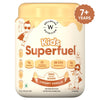 Kids Superfuel | Creamy Vanilla | Nutrition Mix
₹807 – ₹1,613
Kids Superfuel | Creamy Vanilla | Nutrition Mix
₹807 – ₹1,613
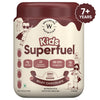 Kids Superfuel | Milk Chocolate | Nutrition Mix
₹807 – ₹1,613
Kids Superfuel | Milk Chocolate | Nutrition Mix
₹807 – ₹1,613


