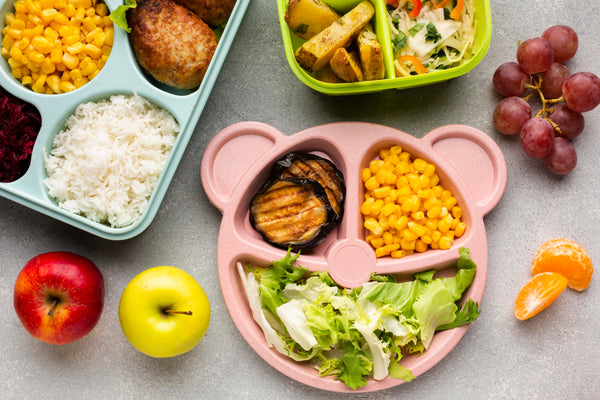
Energy dips, frequent colds, and fading focus rarely show up overnight. They build quietly, shaped by what children eat day after day. Missed breakfasts, rushed lunches, or snack-heavy routines may seem harmless, but over time they influence how well a child’s immune system copes and how consistently their energy holds up through the day.
Kids nutrition is not about perfect meals or strict food rules. It is about repeatable, nutrient-dense choices that support immunity, brain function, and steady energy as children grow. This guide looks at nutrition for kids through everyday foods that make a measurable difference, along with practical ways to include them, realistic pro tips, and a clear breakdown of the nutrients that matter most for immune strength and sustained energy.
How Immunity and Energy Depend on Daily Nutrition

A child’s immune system is still learning. It relies heavily on micronutrients like vitamins A, C, D, zinc, iron, and selenium, along with protein and healthy fats. At the same time, energy comes from balanced carbohydrates, B vitamins, iron, and adequate calories spread across the day.
Good nutrition for kids focuses on three things:
-
Stable blood sugar from balanced meals
-
Micronutrient sufficiency to support immunity
-
Gut health, since nearly 70 percent of immune cells are linked to the gut
Key Foods That Support
1. Fruits rich in vitamin C and antioxidants

Vitamin C supports immune cell activity and improves iron absorption, which directly impacts energy levels.
Best options: Oranges, guava, kiwi, strawberries, papaya
Nutrients provided: Vitamin C, polyphenols, fibre, potassium
Easy ways to include
-
Add chopped fruit to morning porridge or yoghurt
-
Blend into a healthy kids nutrition shake with milk or curd
-
Freeze berries or grapes for after-school snacks
Pro tip: Pair vitamin C rich fruits with iron foods like dates or spinach to improve iron absorption naturally.
2. Green leafy vegetables and colourful vegetables

Vitamin A maintains the integrity of immune barriers like the skin and gut lining. Iron and folate support energy and red blood cell formation.
Best options: Spinach, moringa, broccoli, carrots, pumpkin, bell peppers
Nutrients provided: Vitamin A, folate, iron, magnesium, antioxidants
Easy ways to include
-
Blend spinach into dosa or cheela batter
-
Add grated carrot or pumpkin to parathas
-
Stir finely chopped greens into pasta sauces or soups
Pro tip: Light cooking improves absorption of vitamin A from vegetables like carrots and pumpkin.
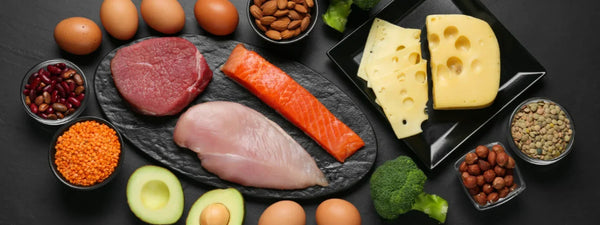
3. Eggs and lean proteins

Protein is essential for immune cell production. B12 and iron support stamina and brain function.
Best options: Eggs, chicken, fish, paneer, tofu, lentils
Nutrients provided: High-quality protein, vitamin B12, iron, zinc, choline
Easy ways to include
-
Egg muffins with vegetables for breakfast
-
Shredded chicken in wraps or rice
-
Paneer cubes tossed into sabzi or rolls
Pro tip: Spread protein intake across the day instead of concentrating it in one meal to maintain energy.
4. Nuts and seeds

Zinc and vitamin E strengthen immune responses, while healthy fats support brain development and long-lasting energy.
Best options: Almonds, walnuts, pumpkin seeds, chia seeds, flaxseeds
Nutrients provided: Healthy fats, zinc, magnesium, vitamin E
Easy ways to include
-
Dry roast and grind into powder to sprinkle over meals
-
Add chia seeds to smoothies or curd
-
Make nut butter sandwiches with whole grain bread
Pro tip: Soak almonds overnight to improve digestion and mineral absorption.
5. Whole grains and complex carbohydrates

Complex carbs release energy slowly and support gut health, which indirectly strengthens immunity.
Best options: Oats, brown rice, millets, whole wheat, quinoa
Nutrients provided: B vitamins, fibre, magnesium
Easy ways to include
-
Millet idli or dosa
-
Oats porridge with fruit and nuts
-
Whole wheat wraps for lunchboxes
Pro tip: Avoid refined cereals with added sugar, especially for breakfast, as they cause energy crashes.
6. Dairy and fermented foods

Probiotics support gut health and immunity, while calcium and vitamin D support growth.
Best options: Milk, curd, yoghurt, buttermilk, cheese
Nutrients provided: Calcium, protein, probiotics, vitamin D
Easy ways to include
-
Homemade lassi with fruit
-
Yoghurt-based dips for snacks
-
Smoothies with milk and seeds
Pro tip: Choose plain curd and add natural flavours instead of flavoured yoghurts with added sugar.
7. Healthy fats

Omega 3s reduce inflammation and support brain and immune health.
Best options: Fatty fish, flaxseed oil, walnuts, chia seeds
Nutrients provided: Omega 3 fatty acids, vitamin E
Easy ways to include
-
Add ground flaxseed to rotis
-
Include fish once or twice a week
-
Blend walnuts into smoothies
Smart Snacking
Kids nutrition snacks should bridge meals, not replace them.
Good snack ideas:
-
Fruit with nut butter
-
Boiled eggs or paneer cubes
-
Roasted makhana with seeds
-
Smoothies made with milk, fruit, and seeds
Avoid snacks that are high in sugar and low in nutrients, as they weaken immunity over time.
Balanced Diet Chart for Kids
|
Time |
Meal |
Options |
|
Early Morning |
Hydration + Nuts |
Warm milk or water + 2 soaked almonds and 1 walnut |
|
Breakfast |
Protein + Carbs |
Paneer bhurji / egg omelette with vegetables + whole wheat toast |
|
Mid-Morning |
Fruit + Micronutrients |
Seasonal fruit bowl or fruit smoothie |
|
Lunch |
Balanced Main Meal |
Dal / chicken curry or fish with brown rice or roti, mixed vegetable sabzi, curd |
|
Evening Snack |
Light Snack |
Roasted makhana or sprouts chaat |
|
Mid-Meal |
Nutrition Boost |
Milk-based healthy kids nutrition shake or smoothie |
|
Dinner |
Protein + Vegetables |
Paneer sabzi / grilled chicken or fish with roti, sautéed vegetables |
|
Before Bed |
Recovery |
Warm milk with turmeric |
Note: Even with balanced home meals, certain nutrients such as protein, vitamin D, B vitamins, omega 3 fats, and gut-supporting fibres can vary from day to day depending on appetite, food preferences, and schedule. In such cases, a kids nutrition powder can be used occasionally as a structured way to support daily intake, without replacing regular meals or whole foods.
Wellbeing Nutrition Kids Superfuel is a great option for a Clean Label Certified kids nutrition mix formulated for children aged 7 years and above. It combines 9 g milk protein with 23 essential vitamins and minerals, along with 2 billion CFU probiotics and 3 g prebiotic fibre to support immunity, digestion, growth, and cognitive development. Nutrients like Natural Vitamin D3, Vegan Omega 3, methylated B vitamins, and colostrum align closely with what growing bodies commonly need but do not always get consistently from food alone. With no refined sugar or artificial ingredients, it blends easily into milk as a simple mid-meal or breakfast-time nutrition drinks for kids, available in creamy vanilla and milky chocolate flavour.
Final Thoughts
Think of food as information for the body. A nutrition journal for kids can be a simple way to build awareness. Let them track colours eaten in a day or new foods tried. Small habits build confidence and curiosity around food.
Strong immunity and sustained energy do not come from one superfood. They come from consistent, balanced kids nutrition food, smart snacking, and filling gaps thoughtfully when needed. Over time, these choices quietly shape resilience, focus, and lifelong health.
FAQs
1. Why is nutrition so closely linked to immunity in children?
A child’s immune system is still maturing and depends heavily on nutrients like vitamins A, C, D, zinc, iron, and protein. Regular intake of these nutrients helps immune cells function efficiently and reduces susceptibility to frequent infections.
2. Which nutrients are most important for energy in kids?
Energy depends on a combination of complex carbohydrates, protein, iron, B vitamins, and healthy fats. Together, they support steady blood sugar levels, oxygen delivery to tissues, and efficient energy metabolism.
3. How can parents manage nutrition for kids who are picky eaters?
For picky eaters, focus on variety across the week rather than perfection in a single meal. Repeating exposure to foods, changing textures, and pairing familiar items with new ones can gradually improve acceptance.
4. Are snacks bad for children’s immunity?
Snacks themselves are not the issue. Nutrient-poor, high-sugar snacks can displace essential foods and weaken immunity over time. Nutrient-dense kids nutrition snacks like fruit, nuts, yoghurt, or eggs can support energy and immunity between meals.
5. How does gut health affect immunity in children?
A significant portion of immune cells are associated with the gut. Fibre, probiotics, and fermented foods support a healthy gut microbiome, which plays a key role in immune regulation and nutrient absorption.
6. Is it necessary for children to consume nutrition drinks?
Whole foods should form the foundation of nutrition for kids. However, on days when intake is inconsistent, nutrition drinks for kids can be used as a supplementary option to support nutrient adequacy without replacing meals.
7. What makes a kids nutrition powder “clean”?
A clean kids nutrition powder typically avoids refined sugar, artificial flavours, colours, and fillers. It focuses on clearly listed nutrients, appropriate dosages, and ingredients that are easy to digest and absorb.
8. How do products like Wellbeing Nutrition Kids Superfuel support daily nutrition?
Products such as Wellbeing Nutrition Kids Superfuel are formulated to provide a combination of protein, vitamins, minerals, probiotics, and prebiotic fibre that align with common nutritional gaps seen in school-age children. They are designed to complement meals rather than act as a primary food source.
9. How effective are probiotics and prebiotic fibre for kids?
When included in appropriate amounts, probiotics and prebiotic fibre can support digestion, improve nutrient absorption, and indirectly strengthen immune function by supporting gut health.
10. How can parents track whether kids are eating well consistently?
A simple nutrition journal for kids, such as tracking food colours, food groups, or new foods tried, can help parents identify gaps and patterns over time without creating stress around eating.

Recommended Products
 Kids Superfuel | Creamy Vanilla | Nutrition Mix
₹759 – ₹1,518
Kids Superfuel | Creamy Vanilla | Nutrition Mix
₹759 – ₹1,518
 Kids Superfuel | Milk Chocolate | Nutrition Mix
₹759 – ₹1,518
Kids Superfuel | Milk Chocolate | Nutrition Mix
₹759 – ₹1,518