That shiny tub on your kitchen shelf? It might look healthy. It might taste amazing. But have you ever flipped it around and actually read the ingredients? What you’ll often find is a chemistry lesson disguised as nutrition. Artificial sweeteners, fillers, and overprocessed proteins are quietly rewriting how your body responds. Today, we uncover how processing impacts your shake and what truly defines a clean whey protein powder.
Because when it comes to whey protein powder side effects, the culprit isn’t always whey itself. It’s what brands do to it.
The Promise of Whey
First, let’s celebrate why so many lifters, athletes, and wellness seekers turn to this supplement:
Whey protein powder benefits include:
Supporting Muscle Protein Synthesis

Whey protein is rich in leucine, a key branched-chain amino acid that directly activates the mTOR pathway, the primary molecular trigger for muscle protein synthesis. Consuming whey post-workout accelerates muscle repair and growth by rapidly delivering essential amino acids to recovering muscle tissue (NIH).
Helping with Weight Management

Whey protein modulates appetite-regulating hormones such as GLP-1 and peptide YY, helping you feel fuller for longer. This hormonal response reduces overall calorie intake and supports sustainable fat loss without compromising lean muscle mass (NIH).
Supporting Immune Health

Whey contains immunoglobulins, lactoferrin, and cysteine-rich peptides that enhance glutathione production, the body’s master antioxidant. These compounds strengthen immune defense, reduce oxidative stress, and support cellular resilience (NIH).
Supporting bone health

Whey provides bioactive compounds that enhance calcium uptake and stimulate osteoblast activity, the cells responsible for bone formation. Regular intake may contribute to improved bone mineral density and reduced risk of age-related bone loss (NIH).
These benefits aren’t just marketing fluff. Numerous studies show whey’s efficacy when consumed as part of a balanced diet and training plan.
But with popularity comes noise: Is whey protein is good or bad? The short answer: it depends on what you choose and how your body responds.
How Processing Shapes Protein Outcomes
Not all whey proteins are created equal. The way your protein is processed can quietly determine its digestibility, absorption, and long-term impact on your health.
High-Heat Processing
Excessive heat exposure during manufacturing can denature whey proteins, altering their three-dimensional structure and reducing biological activity. This compromises amino acid availability and diminishes the presence of immune-supportive fractions like lactoferrin and immunoglobulins (NIH).
Chemical Extraction Methods
Some manufacturers use harsh chemical solvents to isolate protein fractions at scale. While this increases yield, it can strip away bioactive compounds and increase oxidative stress within the protein matrix, affecting digestibility (NIH).
Ultra-Filtration vs Micro-Filtration
Cold micro-filtration preserves delicate protein structures and bioactive peptides, ensuring higher bioavailability. In contrast, aggressive ultra-filtration may reduce functional nutrients despite achieving higher protein percentages (NIH).
Over-Refinement of Protein Fractions
Highly refined whey isolates can lose beneficial peptides that support gut and immune health. Moderate processing maintains a broader nutritional profile, supporting more holistic physiological benefits (NIH).
Spray Drying at Extreme Temperatures
Rapid drying at excessive temperatures can degrade heat-sensitive amino acids like cysteine. This reduces glutathione production, impacting antioxidant defense mechanisms in the body (NIH).
Protein Oxidation During Storage
Poor storage conditions and extended shelf life increase protein oxidation. Oxidized proteins may trigger inflammatory responses and reduce muscle protein synthesis efficiency (NIH).
Native, gently processed whey supports better absorption, immunity, and recovery. Denatured, overprocessed whey increases side effects and reduces real-world results.
How Additives Change Outcomes
Let’s pull back the curtain on common additives and why they matter:
Artificial Sweeteners
Substances like sucralose and acesulfame potassium may be calorie-free, but research shows they can disrupt gut microbiota and alter long-term taste perception. This is why many consumers actively seek whey protein without sucralose and whey protein without artificial sweeteners for better digestive and metabolic health (NIH).
Artificial Flavours and Colours
Synthetic flavouring agents and artificial colours can increase inflammatory responses and trigger sensitivities in some individuals. Opting for naturally derived flavours and colours or choosing whey protein without flavour preserves purity while allowing the natural taste of dairy protein to shine (NIH).
Fillers and Bulking Agents
Ingredients like maltodextrin, gums, and starches are often added to increase scoop size and improve texture. If your goal is premium protein, choosing whey protein without maltodextrin or other additives that ensures you’re paying for pure protein, not hidden carbohydrates or performance blends (NIH).
Lactose
Residual lactose can trigger bloating, cramps, and discomfort in lactose-sensitive individuals. Selecting a formula close to whey protein without lactose dramatically improves tolerance and daily consistency (NIH).
Additives may improve taste and texture, but they quietly compromise metabolic and digestive health. Clean formulations restore whey to what it should be: functional, gentle, and effective.
Choosing the Right Whey
When you shop for quality, words matter. Here’s how to decode labels like a pro:
• Grass-fed or cold-processed: Indicates gentle processing that preserves protein structure and bioactive peptides.
• Native and undenatured whey: Means proteins retain their natural form for superior absorption and functionality.
• Minimal ingredients list: Signals fewer fillers, stabilizers, and unnecessary additives.
• Transparent sourcing and labelling: Reflects brand confidence and scientific integrity.
• Clean formulations are worth it: Choosing whey protein without sugar and whey protein without artificial sweeteners supports long-term metabolic and gut health.
Your body receives protein in its most functional form. Maximum absorption, minimal side effects, optimal results.
Which Whey Is Safest, Lightest, and Quietest?
If you’re scanning shelves wondering, “Which whey won’t upset my stomach? Which whey feels good after I drink it?” you’re not alone.
That’s where clean formula whey shines.
Imagine a protein that doesn’t make your gut rumble, doesn’t spike your palate with chemicals, and supports recovery gently but powerfully. A product that feels like nourishment, not a compromise.
That’s the philosophy behind our Wellbeing Nutrition Whey range, crafted to deliver real protein without the extras most people don’t want:
✔ Cold-processed to protect delicate amino acid structures and bioactive peptides
✔ Native whey sourced directly from fresh milk, not as a cheese by-product
✔ Undenatured so proteins retain their natural shape and functionality
✔ Free from chemical solvents used in harsh extraction methods
✔ Minimally refined to preserve immune-supportive fractions
In short, it’s whey the way nature intended. Quiet on your system. Loud in results.
Final Thoughts
In the dance between science and nutrition, processing and additives are the choreographers. They shape how your body responds to what you consume, not just in performance, but in comfort.
If you’ve experienced whey protein powder side effects in the past, it’s likely your formula wasn’t suited to your body or goals. Choosing a clean, ingredient-transparent whey can rewrite that story.
So next time you reach for a scoop, choose intention. Choose purity. Choose the kind of whey that feels good quietly and consistently, sip after sip.
FAQs
1. What are the common whey protein powder side effects?
Common whey protein powder side effects include bloating, gas, acne, digestive discomfort, and fatigue. These reactions are usually caused by lactose, artificial sweeteners, or overprocessed protein rather than whey itself.
2. Is whey protein good or bad for your health?
Whether whey protein is good or bad depends on its quality and formulation. Clean, cold-processed, native whey supports muscle recovery and immunity, while heavily processed versions with additives may trigger side effects.
3. Which whey protein is easiest to digest?
Native, undenatured, cold-processed whey is the easiest to digest because it preserves natural protein structure. Choosing whey protein without lactose further improves tolerance for sensitive individuals.
4. Why should I avoid whey protein with artificial sweeteners?
Artificial sweeteners like sucralose can disrupt gut microbiota and alter taste perception over time. That’s why many consumers search for whey protein without sucralose and whey protein without artificial sweeteners.
5. What does native and undenatured whey mean?
Native whey is extracted directly from fresh milk instead of cheese by-products. Undenatured whey means proteins retain their natural shape, ensuring better absorption and bioactivity.
6. Is whey protein without sugar better for weight management?
Yes, whey protein without sugar helps prevent insulin spikes and supports fat loss goals. It also keeps calorie intake controlled while maintaining lean muscle mass.
7. How do I choose the best whey protein powder in India?
Look for cold-processed, native, undenatured whey with minimal ingredients. Prioritize formulas that are without artificial sweeteners, without maltodextrin, and without lactose for the cleanest results.

Recommended Products
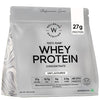 Whey Protein Concentrate 27g | 1kg | 4B CFU Probiotics | Unflavoured
₹4,749 – ₹9,498
Whey Protein Concentrate 27g | 1kg | 4B CFU Probiotics | Unflavoured
₹4,749 – ₹9,498
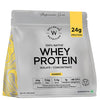 Whey Protein Isolate + Concentrate 24g | 1kg | 4B CFU Probiotics | Mango Flavoured
₹6,174 – ₹12,348
Whey Protein Isolate + Concentrate 24g | 1kg | 4B CFU Probiotics | Mango Flavoured
₹6,174 – ₹12,348
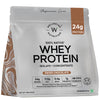 Whey Protein Isolate + Concentrate 24g | 1kg | 4B CFU Probiotics | Swiss Chocolate
₹6,174 – ₹12,348
Whey Protein Isolate + Concentrate 24g | 1kg | 4B CFU Probiotics | Swiss Chocolate
₹6,174 – ₹12,348
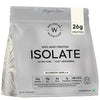 Whey Protein Isolate 26g | 1kg | 4B CFU Probiotics | Bourbon Vanilla
₹7,599 – ₹15,199
Whey Protein Isolate 26g | 1kg | 4B CFU Probiotics | Bourbon Vanilla
₹7,599 – ₹15,199
 Whey Protein Isolate 26g | 1kg | 4B CFU Probiotics | Dark Chocolate
₹7,599 – ₹14,724
Whey Protein Isolate 26g | 1kg | 4B CFU Probiotics | Dark Chocolate
₹7,599 – ₹14,724
 Whey Protein Isolate 26g | 2kg | 4B CFU Probiotics | Dark Chocolate
₹14,724 – ₹29,448
Whey Protein Isolate 26g | 2kg | 4B CFU Probiotics | Dark Chocolate
₹14,724 – ₹29,448
 Whey Protein Isolate 31g | 1kg | 4B CFU Probiotics | Unflavoured
₹7,599 – ₹14,724
Whey Protein Isolate 31g | 1kg | 4B CFU Probiotics | Unflavoured
₹7,599 – ₹14,724
 Whey Protein Isolate 31g | 2kg | 4B CFU Probiotics | Unflavoured
₹14,724 – ₹29,448
Whey Protein Isolate 31g | 2kg | 4B CFU Probiotics | Unflavoured
₹14,724 – ₹29,448