You might not notice it right away, the faint dryness after a long day or the way your skin doesn’t quite bounce back like it used to. Around your mid-20s, your body’s natural collagen production quietly starts to slow. The structure that once kept your skin plump, hydrated, and smooth begins to thin, showing up first as fine lines, dullness, and a loss of elasticity.
No matter how many creams you layer on, you can’t rebuild what’s missing beneath the surface. Because collagen isn’t a topical ingredient, it’s the scaffolding inside your skin. When that internal framework weakens, your skin loses its natural strength and glow.
That’s where marine collagen steps in, a scientifically validated, bioavailable form of collagen that your body can actually absorb and use to rebuild skin structure from within. The secret to its effectiveness lies in its marine collagen amino acid profile, the unique blueprint of nutrients that power healthy, resilient, and youthful-looking skin.
Marine Collagen
Marine collagen is derived from the skin and scales of fish, a rich source of Type I collagen, the same collagen that makes up nearly 80% of human skin. Once absorbed, these collagen peptides enter the bloodstream and travel to the dermis, where they act as “messengers,” stimulating fibroblasts to produce new collagen, elastin, and hyaluronic acid.
Science backs what skincare lovers are already experiencing.
-
A clinical trial found that taking oral fish collagen peptides daily increased skin moisture by 12% in 8 weeks and reduced skin fragmentation by 31.2%, restoring firmness and structure (NIH).
-
A study on freshwater marine collagen showed a 20% improvement in elasticity in 6 weeks and a 35% reduction in wrinkle depth after 12 weeks of consistent use (NIH).
-
A more recent trial found that hydrolyzed collagen peptides daily led to a 24% boost in hydration and a 62% reduction in skin roughness within 12 weeks (NIH).
Together, these results highlight the power of consistent marine collagen intake, especially when the product uses small, easily absorbed peptides that can cross into the skin’s deeper layers.
This is why experts often recommend choosing a supplement that provides both optimal marine collagen dosage (around 8 g per day) and verified bioavailability.
The Amino Acid Blueprint: The Science Behind Skin Renewal

Your skin’s strength and elasticity depend on a specific set of amino acids, the very ones that make up the marine collagen amino acid profile. These amino acids are like the raw materials your body uses to repair and rebuild its collagen network.
Here’s how these amino acids work in harmony to rebuild your skin from within:
1. Glycine – The Foundation of Firmness
Glycine makes up nearly one-third of collagen’s structure, making it the most abundant amino acid in your skin. Its role is structural yet deeply functional, it forms the tight triple-helix strands that keep your skin firm and smooth.
But glycine doesn’t stop there. It also supports the body’s natural antioxidant defenses and helps regulate inflammation, which can help calm conditions like marine collagen for acne and oxidative stress-induced damage.
By replenishing glycine daily through marine collagen for skin and hair, you give your skin the scaffolding it needs to stay resilient and youthful.
2. Proline – The Elasticity Enhancer
Proline is the amino acid responsible for your skin’s flexibility and ability to stretch without sagging. It’s essential for forming and stabilizing the triple-helix collagen fibers that maintain the skin’s smooth, elastic texture.
Beyond its structural role, proline supports wound healing and tissue regeneration, making it a key player in both marine collagen for joints and marine collagen for hair growth.
Clinical studies show that proline-rich collagen peptides help fibroblasts, your collagen-producing cells, work more efficiently, enhancing elasticity and reducing visible lines.
3. Hydroxyproline – The Moisture Magnet
Hydroxyproline is a rare amino acid found almost exclusively in collagen. It’s the “lock” that holds collagen fibers together through cross-linking, which directly influences the firmness and tensile strength of your skin.
But what makes hydroxyproline especially powerful is its ability to maintain moisture levels within the dermis. It strengthens the skin barrier and helps retain water molecules, contributing to that plump, hydrated appearance associated with youthful skin.
Research shows that marine collagen peptides, rich in hydroxyproline, stimulate fibroblasts to produce more hyaluronic acid, the molecule responsible for deep, long-lasting hydration.
Together, they not only promote youthful, healthy-looking skin but also benefit marine collagen for hair growth, marine collagen for joints, and marine collagen for acne by reducing inflammation and improving tissue repair.
When you nourish your body with these amino acids daily, you’re not simply supplementing, you’re giving your skin the molecular language it understands to renew itself naturally.
Finding Your Perfect Marine Collagen Daily Dose
The most significant transformations in clinical studies occurred with 8-10 g of marine collagen peptides daily, the gold standard marine collagen daily dose for visible results in skin hydration, elasticity, and smoothness.
Consistency is key. It typically takes 8–12 weeks of regular intake for collagen peptides to build up in the dermis and stimulate your body’s natural collagen production.
If you’re looking for a clean, effective, and clinically formulated option, Wellbeing Nutrition’s Marine Collagen Peptides make it effortless to build collagen from within.
Why Wellbeing Marine Collagen Stands Out
-
Clinically Validated Peptides: Derived from wild-caught fish, hydrolyzed to 2000–5000 Da for superior absorption.
-
Sustainably Sourced: Responsibly harvested from marine ecosystems.
-
Zero Sugar, Preservative-Free: A pure daily ritual you can trust.
-
Scientifically Optimized Dosage: Delivers the clinically studied 8 g daily dose for results in as little as 8 weeks.
It’s suitable for both marine collagen for women and marine collagen for men, helping support smoother skin, stronger hair, and healthier joints.
Those considering marine collagen during pregnancy or marine collagen during breastfeeding should consult their doctor before use, as clinical data in these stages remains limited.
The Bottom Line
Healthy, radiant skin isn’t built from what you apply on top, it’s built from the foundation beneath. Marine collagen provides the amino acid building blocks your body needs to restore elasticity, hydration, and strength from within.
With its superior absorption, clinically validated results, and synergy of key amino acids, marine collagen for skin and hair goes beyond beauty, it’s a step toward long-term cellular wellness.
When you choose a science-backed source like Wellbeing Nutrition’s Marine Collagen Peptides, you’re not just improving your skin, you’re rebuilding its future.
Give your skin what it’s truly made of, structure, renewal, and vitality from within.
FAQs
1. What makes marine collagen different from other types of collagen?
Marine collagen is derived from fish skin and scales and has smaller peptide molecules compared to bovine or porcine collagen. This makes it more bioavailable, meaning your body absorbs and utilizes it faster for skin, joint, and hair benefits.
2. How does marine collagen work for skin health?
Marine collagen peptides stimulate fibroblast activity, the cells responsible for producing collagen and elastin. Clinical studies show regular intake can improve skin elasticity, hydration, and reduce fine lines within 8–12 weeks.
3. What amino acids are found in marine collagen?
Marine collagen is rich in glycine, proline, and hydroxyproline, the three amino acids essential for collagen synthesis. These act as building blocks for stronger, more elastic skin and help maintain hydration and repair damaged tissue.
4. Can marine collagen help with hair and nail growth?
Yes. The amino acids in marine collagen support keratin production, the key structural protein in hair and nails. This leads to stronger strands, reduced breakage, and healthier hair growth over time.
5. Is marine collagen good for joints and muscles?
Marine collagen helps maintain cartilage integrity and supports joint flexibility. Its bioactive peptides have been shown to reduce stiffness and improve recovery, making it beneficial for both active individuals and those experiencing joint discomfort.
6. How much marine collagen should I take daily?
Most studies recommend 5–10g of marine collagen peptides daily for visible results. Consistency is key, collagen works cumulatively, so daily intake over 8–12 weeks yields the best outcomes.
7. Which is the best marine collagen supplement to choose?
Look for hydrolyzed marine collagen that’s sustainably sourced and clinically tested for purity and absorption.
Wellbeing Nutrition’s Marine Collagen Peptides is made from wild-caught deep-sea fish, enriched with hyaluronic acid and vitamin C, and proven to support skin hydration, elasticity, and overall glow, making it one of the most trusted choices.

Recommended Products
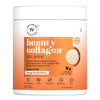 Beauty Korean Marine Collagen Peptides Mango Peach Flavour
₹1,939 – ₹7,196
Beauty Korean Marine Collagen Peptides Mango Peach Flavour
₹1,939 – ₹7,196
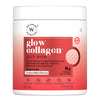 Glow Korean Marine Collagen Peptides with Liposomal Glutathione & Vitamin C | Tropical Bliss Flavour | 250g
₹1,939 – ₹7,196
Glow Korean Marine Collagen Peptides with Liposomal Glutathione & Vitamin C | Tropical Bliss Flavour | 250g
₹1,939 – ₹7,196
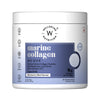 Korean Marine Collagen - Blueberry Mint
₹1,018 – ₹1,993
Korean Marine Collagen - Blueberry Mint
₹1,018 – ₹1,993
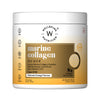 Marine Collagen - Valencia Orange
₹1,018 – ₹1,993
Marine Collagen - Valencia Orange
₹1,018 – ₹1,993