Most people choose collagen based on flavour, packaging, or whatever’s trending on social media. But what really matters is what’s happening inside your collagen powder, how your body absorbs it, how quickly it works, and what kind of results you can realistically expect. And that’s where the choice between marine collagen and bovine collagen becomes more important than most people realize.
Today, we’re breaking down the differences in a simple, science-backed way to answer the question everyone asks: marine collagen vs bovine collagen, which is better for your skin, health, and overall wellness?
What Is Marine Collagen?
Marine collagen is collagen derived from fish skin, scales, or freshwater/marine sources. It is naturally rich in Type I & III collagen, the primary collagen found in skin. Below is a breakdown of the clinically proven marine collagen benefits:
1. Skin Hydration and Moisture

Collagen peptides stimulate fibroblasts, the skin’s collagen-producing cells, to increase the production of hyaluronic acid, glycosaminoglycans (GAGs), and structural proteins. This boosts the skin’s natural moisture-holding capacity, helping it stay soft, supple, and plump.
In a study, participants consuming fish collagen peptides for 8 weeks experienced a 12% increase in skin moisture, along with enhanced glycosaminoglycan synthesis, which helps the skin retain water more effectively.
2. Reduced Collagen Breakdown and Fine Lines

Collagen peptides act as signaling molecules that “trick” the body into thinking collagen has broken down. This triggers a repair response, reducing enzymes that damage collagen (like MMP1) and increasing protective compounds like TIMP1. The result is slower collagen degradation and a smoother surface texture.
A study found a 17.8% decrease in skin fragmentation at 4 weeks, demonstrating significantly reduced collagen breakdown and fewer fine lines (NIH).
3. Improved Elasticity and Reduced Wrinkles

By replenishing Type I collagen and activating skin fibroblasts, collagen peptides help rebuild the dermal matrix. Stronger collagen fibers translate to better elasticity, firmer skin, and fewer wrinkles.
A clinical trial showed that freshwater marine collagen led to a 20% increase in skin elasticity at 6 weeks (NIH). This positions marine collagen as one of the most effective anti-aging supplements for visible results.
4. Superior Absorption

Hydrolyzed marine collagen has a low molecular weight, which allows it to pass through the intestinal barrier more efficiently. This means a higher amount of collagen peptides, especially hydroxyproline and glycine, two key amino acids your body uses to rebuild skin can reach the bloodstream and ultimately the skin.
A 2024 study confirmed that fish collagen hydrolysate (2000 Da) delivered 2.3× higher hydroxyproline-glycine availability compared to porcine collagen (NIH).
5. Enhanced Skin Texture and Smoothness

Once absorbed, collagen peptides help rebuild the dermal layer, improve microcirculation, and support smoother skin by strengthening the connective tissue beneath the surface. This reduces roughness and enhances overall texture.
Studies on hydrolyzed collagen peptides show a 62% decrease in skin roughness within 12 weeks, highlighting collagen’s ability to visibly refine skin texture (NIH).
If your goal is firmer, smoother, more hydrated, youthful-looking skin, marine collagen is the best choice.
What Is Bovine Collagen?
Bovine collagen is extracted from cow hide and bones. It contains Type I and Type III collagen, making it ideal for a broader spectrum of benefits covering not just skin, but joints, muscles, and digestive health. Here are the key advantages of bovine collagen:
1. Joint Mobility and Recovery

Bovine collagen delivers a natural blend of Type I and Type III collagen that strengthens connective tissues throughout the body. Regular intake helps reduce joint stiffness, support cartilage structure, and promote tendon repair, making movement smoother and more comfortable. This is especially beneficial for athletes or individuals with joint strain from daily activity (NIH).
2. Gut and Digestive Health

Type III collagen plays a key role in maintaining a strong and healthy intestinal lining. By supporting gut barrier integrity, bovine collagen helps reduce inflammation and encourages more efficient digestion. This makes it a valuable supplement for anyone looking to improve overall digestive wellness (NIH).
3. Muscle Repair and Strength

Rich in amino acids like glycine and proline, bovine collagen helps repair and rebuild muscle tissue after physical activity. When combined with resistance training, it may enhance post-workout recovery and support long-term strength development. This makes it a favorite among fitness enthusiasts and athletes (NIH).
4. Skin Support

Bovine collagen can improve skin firmness and structure by boosting collagen production in the dermal layer. However, because its peptides are larger and absorbed more slowly, the visible skin benefits tend to appear later than those from marine collagen. It still contributes to skin health, just at a gentler pace (NIH).
5. Alternative for Non-Fish Consumers

For individuals with fish allergies or those who prefer land-sourced supplements, bovine collagen is a reliable and effective alternative. It provides many of the same structural and wellness benefits without exposure to marine allergens. This makes it a versatile option for a wide range of lifestyles (NIH).
Bovine collagen is an excellent all-rounder for joints, gut health, and recovery but for skin-specific results, marine collagen remains more potent.
Marine Collagen vs Bovine Collagen
Here’s a clear, research-backed comparison:
|
Feature |
Marine Collagen |
Bovine Collagen |
|
Source |
Fish skin/scales |
Cow hide/ bones |
|
Types of Collagen |
Type I + III |
Type I + III |
|
Peptide size |
Smaller (2 –5 kDa) |
Larger Peptides |
|
Absorption Rate |
Higher (upto 2.3X better) |
Moderate |
|
Best For |
Skin hydration, elasticity, wrinkles |
Joints, gut health, muscle repair |
|
Research Strength |
Strong for skin |
Strong for joints & gut |
|
Taste/Texture |
Light, neutral, dissolves easily |
Slightly richer |
|
Sustainability |
Very Sustainable |
Depends on farming |
If your primary concern is skin, marine collagen is the superior choice. For a whole-body collagen supplement, bovine works beautifully.
How to Choose the Right Collagen Supplement
It’s not just the source that matters, quality, purity, and formulation all affect results.
What to Look For:
-
Hydrolyzed peptides (2–5 kDa)
-
Clean sourcing (wild-caught or responsibly farmed)
-
Third-party testing for heavy metals
-
No artificial colors or sugars
-
Clinical-strength dosage
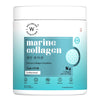
If you want a clinically backed, high-absorption marine collagen, Wellbeing Marine Collagen is a strong choice. Here's why:
-
8gm high-strength marine collagen sourced from wild-caught deep-sea fish.
-
Clinically backed with proven benefits for skin hydration, elasticity, and wrinkle reduction.
-
Mercury-free and sustainably sourced, ensuring purity and safety.
-
Enhanced with beauty nutrients like Hyaluronic Acid, Astaxanthin, Rosehip, Biotin, Vitamin C & E.
-
Non-GMO, gluten-free, and preservative-free for clean, transparent wellness.
-
Dissolves instantly in beverages with zero fishy taste.
-
Delicious flavoured options for easy, enjoyable daily beauty support.
With its optimized peptide size and research-backed formulation, it closely mirrors the doses used in major clinical trials, but in a smooth, convenient daily format that fits effortlessly into your routine.
Practical Considerations
Even the best collagen supplement works more effectively when supported by a collagen-friendly lifestyle. Here are simple habits that amplify results:
1. Prioritize a Collagen-Supportive Diet
-
Add vitamin C–rich foods like citrus, berries, amla, and bell peppers to boost natural collagen synthesis.
-
Eat healthy fats like avocado, nuts, seeds, ghee for better skin barrier function and moisture retention.
2. Reduce Collagen “Blockers”
-
Limit excessive sugar, as it accelerates glycation and weakens collagen fibers.
-
Cut down on smoking and alcohol, which dehydrate skin and impair collagen regeneration.
3. Follow a Daily Hydration Routine
-
Aim for 2–2.5 liters of water a day to support skin moisture and elasticity.
-
Add electrolytes or herbal infusions if plain water feels boring bceause hydration enhances collagen’s plumping effect.
4. Protect Your Skin Daily
-
Use sunscreen (SPF 30+) every morning to prevent UV-induced collagen breakdown.
-
Incorporate retinol, peptides, or niacinamide into your night routine to support dermal repair.
5. Combine Collagen with Strength Training
-
Light resistance workouts 3–4 times a week help stimulate connective tissue regeneration.
-
Collagen taken 30–60 minutes before exercise may further support tendon and muscle recovery.
6. Stay Consistent Above All
-
Collagen works cumulatively, daily usage for 8–12 weeks delivers the most visible improvement.
-
Pair it with smart diet and lifestyle choices for results that last longer and look more natural.
Conclusion
When comparing marine collagen vs bovine collagen, research points clearly in one direction:
-
For skin health, marine collagen is superior, thanks to its smaller peptides, higher absorption, and strong clinical outcomes in hydration, elasticity, and wrinkle reduction.
-
For broader wellness including joints, gut, and muscle recovery, bovine collagen is highly effective.
Choosing the right collagen isn't about which is universally better, it’s about what your body needs. If glowing, youthful skin is your priority, marine collagen derived from wild caught fish sources, offers exceptional science-backed benefits.
FAQs
1. Is marine collagen better than bovine collagen for skin?
Yes. Hydrolyzed Marine collagen contains smaller peptides and is absorbed more efficiently, making it more effective for skin hydration, elasticity, and wrinkle reduction compared to bovine collagen.
2. What are the benefits of taking marine collagen every day?
Daily intake supports smoother, plumper skin, improved elasticity, reduced fine lines, stronger hair and nails, and overall better hydration due to superior absorption and high Type I collagen content.
3. Can bovine collagen help with joints and gut health?
Absolutely. Bovine collagen (Type I & III) supports cartilage strength, reduces stiffness, enhances tendon repair, and helps maintain a strong gut lining for improved digestion.
4. What are the first signs that collagen supplements are working?
Most users notice improved skin hydration, reduced dryness, healthier nails, better gut comfort, and smoother joint movement within 4–8 weeks of consistent use.
5. Who should choose marine collagen instead of bovine collagen?
Choose marine collagen if your primary goals are anti-aging, skin glow, firmness, hydration, or faster visible results, as marine peptides absorb more efficiently than bovine peptides.
6. Can I take marine collagen if I have a fish allergy?
No. People with fish allergies should avoid marine collagen and opt for bovine collagen instead, as it provides similar wellness benefits without triggering marine-allergen reactions.
7. How long does it take to see results from marine or bovine collagen?
Most clinical studies show noticeable improvements in 6–12 weeks. Marine collagen often delivers faster skin results due to better absorption, while bovine collagen supports steady improvements in joints, gut health, and muscle recovery.