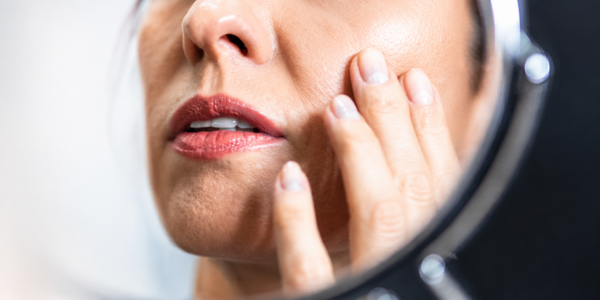
It starts with a sting.
A new moisturizer that promised “hydration” instead leaves your skin red and tight. Or maybe your face burns after cleansing, even when you haven’t done anything different. Sensitive skin doesn’t just feel uncomfortable, it feels unpredictable.
The truth is that sensitivity isn’t about having “bad” skin. It’s about having a weakened barrier that’s easily overwhelmed by the modern world, pollution, UV light, stress, and product overload.
When your skin barrier (the lipid layer that locks in moisture and keeps irritants out) becomes disrupted, your skin’s immune cells go into overdrive. This triggers inflammation, redness, and reactivity.
The solution? Not more products, but smarter, gentler care rooted in skin biology.
Understanding Sensitive Skin
Sensitive skin is skin that overreacts to normal conditions. At the cellular level, it’s often due to:
-
Weakened skin barrier: The protective lipid layer that keeps water in and irritants out becomes thinner or damaged.
-
Inflamed nerve endings: Your skin’s sensory network becomes hyperactive, responding even to mild ingredients.
-
Microbiome imbalance: Good bacteria that protect your skin’s ecosystem are outnumbered by harmful microbes.
These disruptions cause burning, redness, flakiness, or that tight, itchy feeling after washing your face.
Why it happens:
-
Genetics and hormones: Some people naturally produce less sebum or ceramides, making their skin barrier thinner and more reactive.
-
Environmental pollutants: Dust, UV rays, and toxins generate free radicals that inflame and weaken your skin’s lipid layer.
-
Stress-induced cortisol spikes: Elevated cortisol breaks down collagen and delays barrier repair, leaving skin inflamed and hypersensitive.
-
Overuse of strong acids or exfoliants: Excess exfoliation disrupts the stratum corneum, stripping essential oils and triggering irritation.
But here’s the reframe: sensitivity is your skin’s language of distress. It’s not weakness, it’s a signal to restore balance.
Step-by-Step Skincare Routine for Sensitive Skin
A healthy skin care routine for sensitive skin isn’t about owning fewer products. It’s about choosing smarter, gentler ones that support your barrier instead of overwhelming it.
Let’s rebuild your skin’s calm in four essential steps.
Step 1: Gentle Cleansing

Start with a sulfate-free, low-pH cleanser that respects your skin’s natural oils. Harsh soaps can strip away lipids and trigger irritation.
Look for ingredients like:
-
Aloe vera for soothing
-
Panthenol (Vitamin B5) for hydration
-
Colloidal oatmeal for calming inflammation
Cleansing should feel soft, never squeaky. Always wash with lukewarm water because hot water can worsen barrier damage.
A clean face shouldn’t feel tight or tingly. It should feel balanced and comfortable.
Step 2: Serum (Targeted Treatment)

Your serum is the “therapy step” in your routine. For sensitive skin, the goal is barrier strengthening and inflammation control, not aggressive exfoliation.
Choose serums with:
-
Hyaluronic acid for deep hydration
-
Centella Asiatica (Cica) for reducing redness
-
Green tea extract for antioxidants
-
Madecassoside for calming irritated skin
Avoid strong actives like AHAs, BHAs, and retinol unless recommended by a dermatologist.
A good serum should feel like comfort, not a chemical burn.
Step 3: Moisturizer (Strengthen & Protect)

Moisturizers seal in hydration and rebuild the lipid layer that sensitive skin desperately needs.
Look for:
-
Ceramides to replenish lost lipids
-
Squalane for non-greasy nourishment
-
Shea butter for dryness and flakiness
-
Peptides for repairing damaged skin proteins
If you have dry sensitive skin, choose a thicker cream. For acne-prone sensitive skin, pick a lightweight gel-cream.
Think of moisturizer as the “blanket” that keeps your skin safe from the world.
Step 4: Daily Sun Protection

Sensitive skin reacts more intensely to UV damage, so sunscreen is non-negotiable.
Choose:
-
Mineral sunscreens
-
With zinc oxide or titanium dioxide
-
SPF 30 or higher
Apply every morning, even indoors, and reapply every 3 to 4 hours if exposed to sunlight or screens.
Your skin cannot heal if UV rays keep injuring it. Sunscreen is your daily shield.
Diet Chart for Sensitive Skin
Your skin barrier reflects what you feed your cells. This mini diet chart focuses on omega-3 fats, antioxidants, hydration, and anti-inflammatory foods.
Morning
-
Warm water after waking up
-
Breakfast: Moong dal cheela + mint chutney
-
Matcha latte (use almond or oat milk).
Lunch
-
Quinoa or brown rice
-
Mixed vegetables (spinach, broccoli, carrots)
-
1 tablespoon flaxseeds or walnuts (omega-3s)
Evening Snack
-
Green tea or chamomile tea
-
A handful of almonds or pumpkin seeds
Dinner
-
Lentils or tofu
-
Stir-fried veggies with olive oil
-
Side salad with cucumber, beetroot, and lemon
Before Bed
-
Warm turmeric-infused milk or plant milk
Your skin reflects your plate. Anti-inflammatory eating builds calm from the inside out.
Supplementation for Sensitive Skin
Topicals work on the surface. But supplements work where sensitivity begins, inside the cell. They support keratin, collagen, hydration, and antioxidant defense.
Below is a clean, easy-to-understand table:
|
Supplement |
Why To Take It |
When To Take It |
|
Supports elasticity, hydration, and collagen repair. Will also benefit dry skin. |
Morning or evening, mixed in water. |
|
|
Boosts collagen formation and immunity. Helps reduce inflammation and supports barrier healing. |
After breakfast. |
|
|
Master antioxidant. May help brighten skin tone and reduce oxidative stress + sensitivity triggers. |
Empty stomach or before bed. |
|
|
Reduces inflammation, supports scalp and nail hydration, improves skin barrier lipids. |
With any meal for better absorption. |
|
|
Biotin, hyaluronic acid, and collagen peptides for keratin strength, smoother skin, stronger nails. |
Morning with food. |
|
|
Supports gut-skin axis, may reduce acne flare-ups and redness. |
Empty stomach or before lunch. |
Supplements don’t replace your routine, they reinforce it. The real transformation happens when you choose the ones that work for your biology and pair them with consistent external care.
Final Takeaway
Sensitive skin doesn’t need harsh fixes, it needs harmony.
When you slow down, simplify, and choose ingredients that respect your biology, your skin learns to trust again.
Science shows that skin can repair itself when given the right cues, gentle cleansing, deep hydration, UV protection, and internal nourishment from collagen powder, vitamin C and zinc, or glutathione tablets.
So, start today. Not with a shelf full of products, but with a routine that feels like calm in a bottle.
Because your skin isn’t fragile. It’s just asking to be understood.
FAQs
1. What is the best skincare routine for sensitive skin?
A gentle routine that focuses on barrier repair is best. Start with a mild cleanser, follow with a hydrating moisturizer, and finish with mineral sunscreen. Consistency and simplicity help your skin stay calm and resilient.
2. How do I know if I have sensitive skin?
If your skin often stings, burns, or turns red after using skincare or makeup, you likely have a compromised skin barrier. Sensitivity may also show as tightness or flakiness after cleansing or sun exposure.
3. Which ingredients should I avoid if I have sensitive skin?
Avoid alcohol-based toners, synthetic fragrances, and harsh exfoliants like glycolic acid or benzoyl peroxide. These can strip your skin’s natural oils and worsen irritation.
4. Can sensitive skin use Vitamin C or exfoliating acids?
Yes, but choose low concentrations and buffered formulas. Pair exfoliating acids with vitamin C and zinc tablets or soothing actives like niacinamide to reduce inflammation and support collagen synthesis.
5. Does diet affect sensitive skin?
Absolutely. Diets high in sugar and processed foods can trigger inflammation. Include antioxidants and omega-3 fats, and consider supplements like glutathione tablets, collagen powder, and vitamin C and zinc to strengthen skin from within.
6. What is the best moisturizer for dry, sensitive skin?
Look for fragrance-free, ceramide-rich moisturizers with ingredients like hyaluronic acid, squalane, or shea butter. These help lock in hydration and repair the lipid barrier for smoother, softer skin.
7. How can I naturally strengthen my sensitive skin barrier?
Use barrier-building ingredients like ceramides, panthenol, and niacinamide, protect from UV rays, and nourish from within with marine collagen or vegan collagen supplements. Consistent sleep, hydration, and stress management also help maintain a healthy skincare routine.

Recommended Products
 Pure Korean Marine Collagen Peptides | Unflavored | Combat Signs of Ageing
₹1,745 – ₹6,476
Pure Korean Marine Collagen Peptides | Unflavored | Combat Signs of Ageing
₹1,745 – ₹6,476
 Beauty Collagen Strawberry Watermelon Flavour
₹1,939 – ₹7,196
Beauty Collagen Strawberry Watermelon Flavour
₹1,939 – ₹7,196
 Beauty Korean Marine Collagen Peptides Mango Peach Flavour
₹1,939 – ₹7,196
Beauty Korean Marine Collagen Peptides Mango Peach Flavour
₹1,939 – ₹7,196
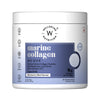 Korean Marine Collagen - Blueberry Mint
₹1,018 – ₹1,993
Korean Marine Collagen - Blueberry Mint
₹1,018 – ₹1,993
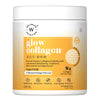 Glow Korean Marine Collagen Peptides with Liposomal Glutathione & Vitamin C | Valencia Orange Flavour | 250g
₹1,939 – ₹7,196
Glow Korean Marine Collagen Peptides with Liposomal Glutathione & Vitamin C | Valencia Orange Flavour | 250g
₹1,939 – ₹7,196
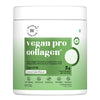 Vegan Pro Collagen Lemon Lime
₹1,745 – ₹3,418
Vegan Pro Collagen Lemon Lime
₹1,745 – ₹3,418
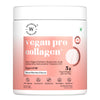 Vegan Pro Collagen Mixed Berries
₹1,745 – ₹3,418
Vegan Pro Collagen Mixed Berries
₹1,745 – ₹3,418
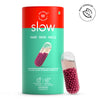 Hair, Skin & Nails Slow
₹1,357 – ₹2,658
Hair, Skin & Nails Slow
₹1,357 – ₹2,658
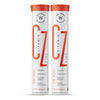 Organic Vitamin C + Zinc
₹758 – ₹2,035
Organic Vitamin C + Zinc
₹758 – ₹2,035